
During a pool “Code Brown,” staff immediately close the pool to prevent contamination. They remove fecal matter with special tools, increase chlorine levels diligently, and run filtration systems continuously. The water is carefully tested and disinfected to inactivate harmful pathogens like bacteria and parasites such as Cryptosporidium. Precautions also include surface cleaning and filter disinfection. Understanding these steps helps guarantee you stay safe—exploring further reveals how proper hygiene and protocols help protect everyone involved.
Key Takeaways
- The pool is immediately closed to prevent fecal contamination spread.
- Trained staff remove fecal matter carefully and disinfect the affected area.
- Water chemistry is adjusted, increasing chlorine levels and maintaining proper pH.
- The filtration system runs continuously, and water is circulated for pathogen inactivation.
- The pool reopens only after water tests confirm safe chemical levels and pathogen reduction.

U.S. Pool Supply Hand-Held and Pool Pole Attachment Scrub Brushes – Surface Scrubbing Scouring Sponge Pads – Clean Pool Tile Grout Walls, Vinyl Liners, Spas, Remove Stains, Kitchen Bathroom Tub Shower
One hand-held and one pool pole attachment scrubbing scouring brush sponge pad.
As an affiliate, we earn on qualifying purchases.
As an affiliate, we earn on qualifying purchases.
Understanding the Term “Code Brown
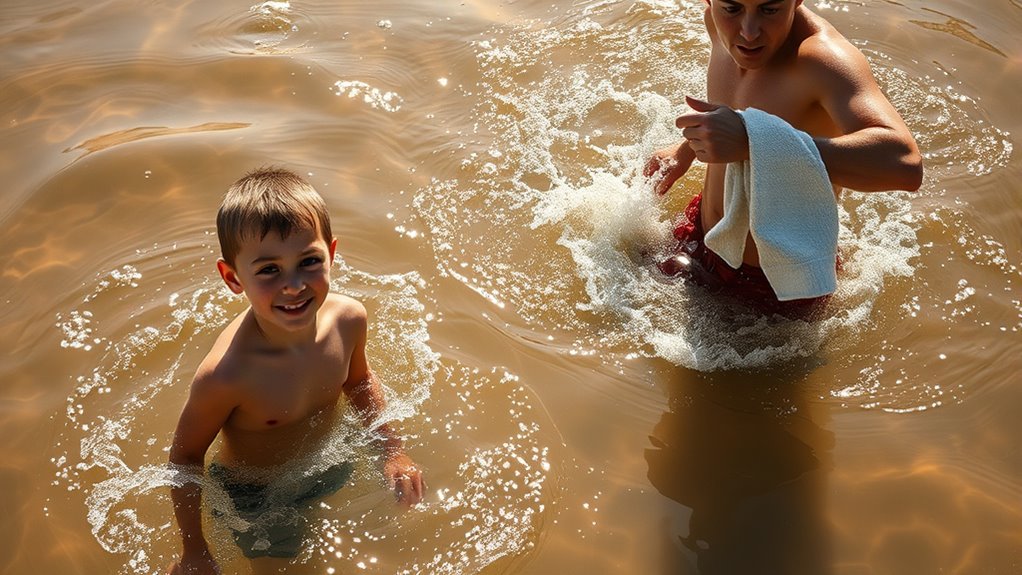
Understanding the term “Code Brown” is essential for anyone involved in pool safety and management. It specifically refers to fecal contamination incidents where human feces enter the pool water. Pool operators, lifeguards, and health officials use this term to quickly signal a serious health hazard. Unlike medical settings, where “Code Brown” might mean different emergencies, in pools, it clearly indicates fecal matter presence. Declaring a “Code Brown” prompts immediate action to protect swimmers from potential pathogens. This includes closing the pool temporarily and initiating cleanup procedures. The goal is to minimize health risks by containing contamination quickly. Recognizing this term helps ensure swift, effective responses, safeguarding public health and preventing outbreaks of waterborne illnesses.
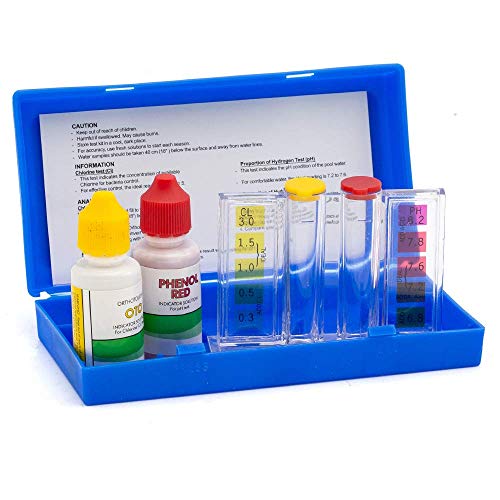
WWD POOL Swimming Pool Spa Water Chemical Test Kit for Chlorine and Ph Test (2 Way Test Kit)
2 Way Pool Water Test Kit For Test For OTO, CL, and PH Level
As an affiliate, we earn on qualifying purchases.
As an affiliate, we earn on qualifying purchases.
Common Causes of Fecal Incidents in Pools
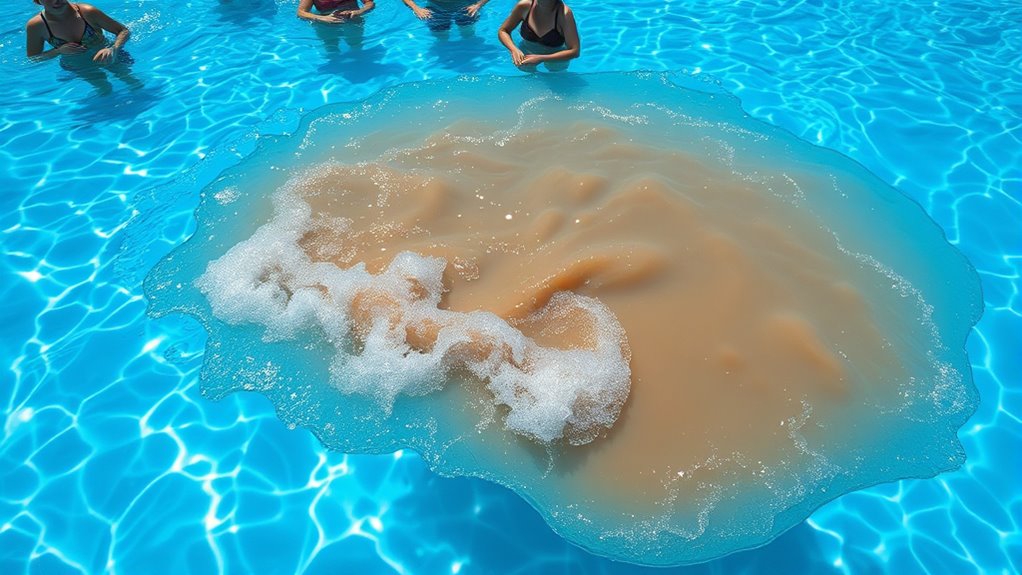
Fecal incidents in pools often happen due to a combination of swimmer behaviors and environmental factors. You should be aware of key causes that increase risks. First, young children not fully toilet trained or swimming while sick with diarrhea are common culprits. Second, poor hygiene practices like skipping showers before swimming allow fecal matter to wash into the water. Third, inadequate pool maintenance, such as low chlorine levels or faulty filtration, reduces the pool’s ability to neutralize contaminants. Other factors include overcrowding, which overwhelms disinfection systems, and swimmers not using swim diapers correctly. Research indicates that over 50% of pool filter samples tested positive for fecal contamination, highlighting the prevalence of these issues. Understanding these causes helps you recognize how behaviors and environment combine to create fecal incidents, emphasizing the importance of proper hygiene, responsible swimming, and pool maintenance to prevent contamination.

HTH 67227 Swimming Pool Care Filter Cleaner, Quickly and Effectively Cleans and Prolongs Life of Pool Filter, Improves Filtration Efficiency, Compatible with All Filter Types, 32oz
BENEFITS: Clears out all the gunk that the swimming pool filter catches so that it can continue to…
As an affiliate, we earn on qualifying purchases.
As an affiliate, we earn on qualifying purchases.
Immediate Actions Taken When a “Code Brown” Is Reported
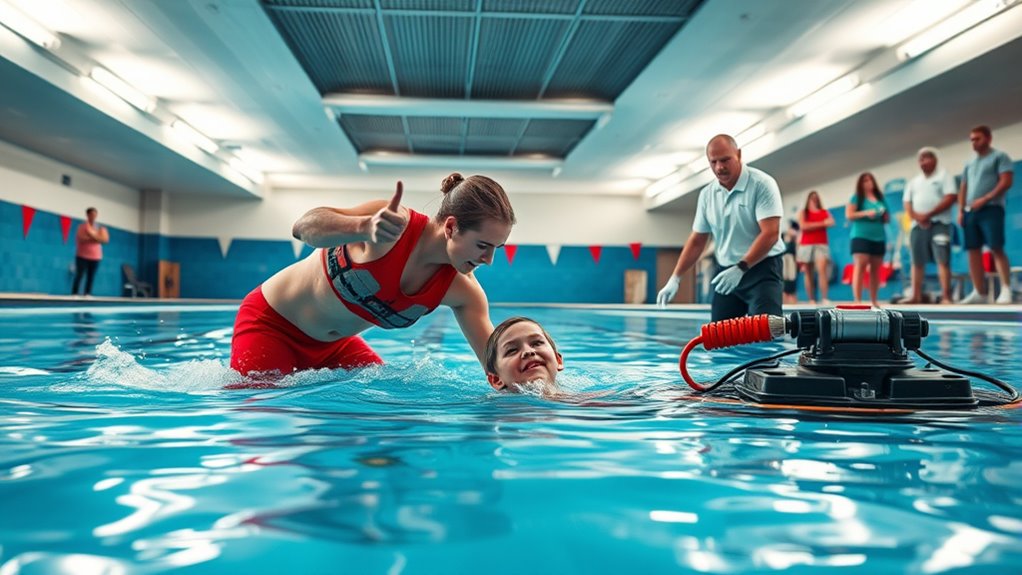
When a “Code Brown” is reported, you must close the pool immediately and restrict access to authorized staff only. You then remove the fecal matter carefully, disinfect the area, and raise chlorine levels to inactivate pathogens. Throughout the process, you monitor water quality and make certain all safety protocols are followed before reopening. Implementing proper sanitation procedures is essential to maintain a safe swimming environment, especially since resale value remains strong for well-maintained pools.
Pool Closure Procedures
Upon discovering a “Code Brown,” pool management must act swiftly to contain the hazard. The first step is to immediately shut down the pool to prevent further contamination. Next, you should implement the following actions:
- Restrict Access: Erect barriers or signage indicating “Pool Closed—Code Brown in Effect” and evacuate all patrons and staff from the area.
- Secure the Area: Ensure only authorized personnel with PPE enter to initiate cleanup, preventing unauthorized access.
- Communicate Clearly: Inform all response teams and safety personnel about the closure, emphasizing the importance of safety and contamination containment.
- Assess the Situation: Conduct an initial evaluation of the incident to determine the extent of contamination and plan appropriate cleanup procedures, considering water safety principles to ensure proper disinfection and hygiene before reopening.
These steps help limit exposure, prevent the spread of contaminants, and prepare for thorough cleaning and disinfection before reopening.
Disinfection and Filtration
Immediately after discovering a “Code Brown,” you should raise the free chlorine level to at least 2 ppm to disinfect the water effectively. Maintain this level with a pH at or below 7.5 for ideal pathogen inactivation. Disinfection typically lasts 25–30 minutes at 77°F (25°C) or higher; increasing chlorine to 3 ppm can reduce contact time to about 19 minutes. Keep the filtration system running continuously during this period to ensure proper circulation and removal of loosened pathogens. Avoid vacuuming fecal matter to prevent spreading contaminants. Instead, manually remove visible feces with a net or bucket, keeping it immersed to prevent recontamination. After disinfection, clean or backwash filters to eliminate trapped debris and perform water testing to confirm appropriate chlorine residuals and safe pH levels before reopening the pool. Proper disinfection is crucial to prevent the spread of disease-causing microbes. Incorporating attention to detail during this process enhances safety and effectiveness in pathogen removal.
EASYTEST 7-Way Pool Test Strips, 150 Strips Water Chemical Testing for Hot tub and Spa, Accurate Test Bromine, Total Alkalinity, pH, Free Chlorine, Total Hardness, Cyanuric Acid, and Total Chlorine
AFFORDABLE 150 STRIPS: This water chemical testing kit contains 150 test strips. Enough balanced for your swimming pool,…
As an affiliate, we earn on qualifying purchases.
As an affiliate, we earn on qualifying purchases.
The Decontamination Process and Pool Closure Procedures
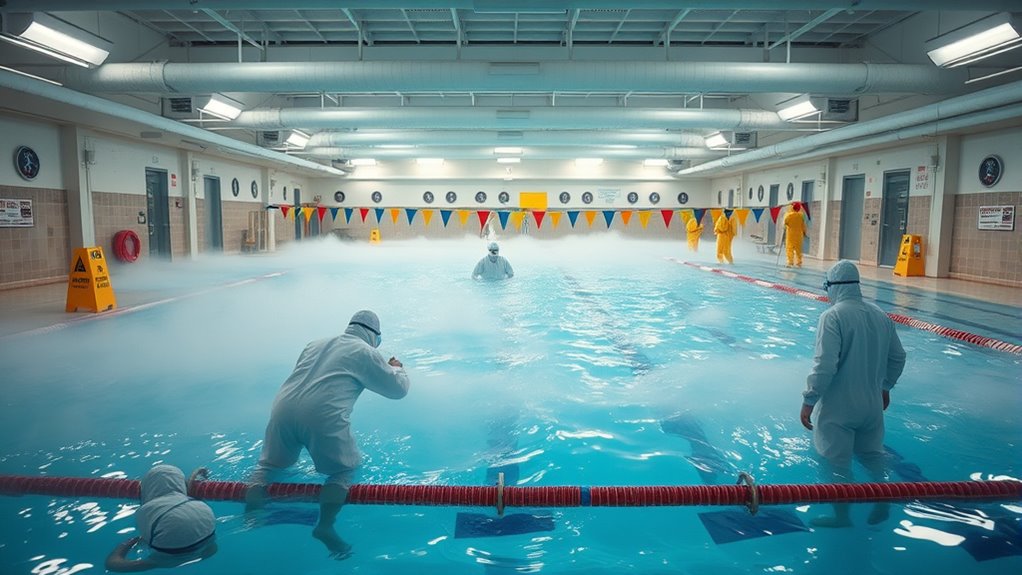
The decontamination process and pool closure procedures are critical steps to guarantee public safety after fecal contamination is detected. You must act quickly to minimize health risks and follow strict protocols. First, close the pool immediately and post warning signs to prevent entry until cleanup is complete. Second, increase free chlorine levels markedly—typically to 20 mg/L for 13 hours or 50 mg/L for 5 hours—and maintain pH between 7.0 and 7.4 to ensure effective disinfection. Third, circulate water through multiple turnover cycles while continuously monitoring chlorine and pH levels. During this process, vacuum surfaces carefully, backwash filters thoroughly, and disinfect equipment. Proper water treatment is essential to eliminate pathogens and prevent the spread of infectious microorganisms. Only after water testing confirms safe chemical levels can the pool reopen, ensuring all pathogens are inactivated.
Key Pathogens Associated With Fecal Contamination
Fecal contamination in pools introduces a variety of pathogens that pose health risks to swimmers. Bacteria like *E. coli* often appear in filter samples, indicating frequent fecal contamination. Although *E. coli* O157:H7 isn’t commonly detected in pools, it remains a serious concern due to its link to severe illness. Salmonella species, including *S. typhi* and *S. paratyphi*, are harder to identify but can cause gastrointestinal infections. *Pseudomonas aeruginosa* is prevalent, found in nearly 60% of samples, and can cause rashes and ear infections. Protozoa such as *Cryptosporidium* and *Giardia* resist chlorine, surviving days and causing diarrhea. Proper hygiene practices are essential to minimize the introduction and spread of these microorganisms in recreational water environments. Additionally, disinfection methods like chlorination need to be properly maintained to effectively inactivate these pathogens and prevent outbreaks. Viruses like norovirus and hepatitis A are highly contagious, leading to outbreaks. These pathogens highlight the importance of strict hygiene and proper disinfection to prevent disease transmission.
Risks Posed to Swimmers and Public Health

Have you ever considered how swimming after fecal contamination can substantially increase the risk of gastrointestinal illnesses? When this happens, you face serious public health risks. Here’s what you need to know:
- Pathogens like Cryptosporidium can survive standard chlorine levels, making outbreaks more likely.
- Swimmers, especially children under 5, are at higher risk because of limited toileting skills and increased contamination.
- Contaminated water spreads viruses, bacteria, and protozoa that cause diarrhea, vomiting, and other illnesses.
These risks aren’t just individual; they affect entire communities. Pool closures after a “Code Brown” help prevent disease spread, but ongoing violations and inadequate regulation can leave swimmers vulnerable. Staying informed and vigilant protects everyone’s health.
Protocols for Proper Pool Disinfection and Safety Measures
When a fecal incident occurs in a public pool, immediate closure and containment are crucial to prevent the spread of pathogens. You must close all affected pools right away, including interconnected ones sharing the same filtration system. Remove fecal matter promptly with appropriate tools, then dispose of it in the sanitary sewer or approved waste system. Clean and disinfect tools afterward to prevent cross-contamination. Adjust water chemistry by lowering pH to 7.5 or below and maintaining water temperature at or above 77°F for effective disinfection. Raise free chlorine to at least 2.0 ppm and keep it consistent during the process. Continuously operate the filtration system to circulate chemicals. Maintain these conditions for a minimum of 25–30 minutes, verifying residual levels before reopening the pool to ensure safety. Proper candle sinking techniques can help prevent issues during maintenance or repairs of pool lighting fixtures.
Preventative Strategies to Minimize Incidents
Implementing effective preventative strategies is essential to reducing the risk of fecal incidents in public pools. First, ensure physical barriers are secure, such as installing fencing and pool covers, and maintaining landscaping to deter wildlife and unauthorized access. Second, prioritize public education by informing caregivers about the importance of keeping children with diarrhea or poor toileting skills out of the pool, and posting clear signage on hygiene expectations. Third, enhance surveillance through routine water testing, camera monitoring, and incident tracking to quickly identify contamination. Additionally, enforce strict policies like banning entry for individuals with diarrhea, requiring swim diapers, and scheduling regular bathroom breaks. Proper cost management measures also support the maintenance of hygiene protocols by ensuring sufficient resources are allocated. These measures work together to minimize fecal incidents, protect swimmer health, and maintain a safe, hygienic swimming environment.
The Role of Swimmers and Pool Staff in Maintaining Hygiene
You play a key role in keeping the pool safe by following hygiene rules and acting quickly if an incident occurs. Promptly reporting any issues and taking personal responsibility helps prevent further contamination. When everyone stays vigilant, we all contribute to a safer swimming environment. Proper pool maintenance and hygiene practices are essential for minimizing the risk of outbreaks caused by pathogens like Cryptosporidium or Pseudomonas. Maintaining cleaning routines regularly ensures that harmful germs are effectively removed from pool surfaces.
Enforcing Hygiene Rules
Maintaining hygiene in swimming pools relies on a clear partnership between swimmers and staff, each playing a vital role in preventing contamination. To enforce hygiene rules effectively, you should be aware of these key actions:
- Follow posted rules, such as avoiding swimming when sick or experiencing diarrhea, to prevent pathogen spread.
- Shower thoroughly before entering the pool to remove contaminants like sweat, lotions, and dirt.
- Report any accidents or illnesses promptly to staff, enabling quick response and containment.
- Regularly check and maintain proper chlorine and pH levels to ensure water quality and inhibit bacteria growth per legal standards.
Pool staff enforce these rules by monitoring swimmer behavior, educating patrons about hygiene practices, and maintaining visible signage. Their consistent enforcement ensures everyone adheres to safety standards, minimizing contamination risks and safeguarding water quality for all.
Prompt Incident Reporting
When a fecal incident occurs in the pool, prompt reporting by both swimmers and staff is critical to preserving water safety and preventing the spread of pathogens. As a swimmer, you should immediately alert a staff member if you notice any incident, ensuring they respond quickly. Pool staff are trained to recognize and act swiftly, following established protocols like clearing the pool and notifying management. They record incident details in logs for regulatory compliance and may contact health authorities if needed. Clear communication keeps everyone informed while maintaining privacy and avoiding panic. Once reported, the pool undergoes thorough cleaning, disinfection, and water testing before reopening. Your quick action helps ensure the safety of all swimmers and maintains a hygienic environment. Prompt incident reporting is essential because it allows for immediate containment and proper sanitation measures to minimize health risks. Additionally, understanding the importance of water testing ensures that any remaining contaminants are identified and addressed effectively.
Promoting Personal Responsibility
Everyone involved in pool use has a crucial role in keeping the water safe and hygienic. As a swimmer or staff member, your actions directly impact water quality. Here are three key responsibilities:
- Practice good hygiene by showering before entering the pool and avoiding swimming if you’re sick with gastrointestinal symptoms. This is especially important given that toddlers and babies are most commonly involved in contamination incidents. Maintaining proper water sanitation procedures helps prevent the spread of harmful bacteria and viruses.
- Parents and guardians must ensure young children, especially those untrained or experiencing illness, stay out of the water to prevent contamination.
- Pool staff should enforce hygiene policies, educate swimmers on proper behavior, and respond swiftly during incidents, including physical removal of contaminants and water treatment.
Frequently Asked Questions
How Long Does a Pool Remain Closed After a “Code Brown”?
After a “Code Brown,” your pool typically stays closed for at least 12 hours, but often 24 to 48 hours if diarrhea caused the contamination. During this time, you’ll need to guarantee thorough disinfection, including hyperchlorination and filtration, to eliminate pathogens like Cryptosporidium. You shouldn’t reopen the pool until chlorine levels and pH are safe, and tests confirm that the water is free of harmful microbes.
Are There Specific Chemicals Used to Treat Fecal Contamination?
Think of chemical treatment as the pool’s immune system fighting off germs. You use EPA-registered sanitizers like chlorine or bromine to disinfect fecal contamination. When contamination occurs, you raise chlorine levels to at least 10 ppm, keep the pH between 7.2 and 7.5, and maintain proper contact time. These chemicals work together to neutralize pathogens, ensuring the water is safe before reopening for swimmers.
Can Crypto or Other Pathogens Survive Standard Pool Chlorination?
You should know that Crypto and other resistant pathogens can survive standard pool chlorination. Regular chlorine levels (1–3 ppm) won’t inactivate Crypto oocysts, which can persist for days or even months. To kill Crypto, you need hyperchlorination at much higher levels (20-40 ppm) for over 12 hours. So, relying solely on normal chlorination isn’t enough; supplemental disinfection methods like UV or ozone are essential for safety.
What Are the Legal Responsibilities of Pool Operators During a “Code Brown”?
You’re legally responsible for acting swiftly and following proper protocols during a “Code Brown.” You must immediately close the pool, disinfect the water according to health department standards, and document every step of the cleanup process. Failure to do so can lead to fines, legal sanctions, or lawsuits. Ensuring compliance with regulations, maintaining detailed records, and allowing inspections are vital to avoid liabilities and protect public health.
How Effective Are Public Education Campaigns in Reducing Incidents?
Public education campaigns are quite effective in reducing incidents when they reach the target audience repeatedly and strategically. You’ll see significant improvements in awareness, risk perception, and behavior change, especially with consistent exposure at essential levels. By using multiple channels and tailoring messages, you can engage diverse groups, leading to lower incident rates over time. However, sustained funding and ongoing engagement are vital to maintain these positive effects and guarantee long-term success.
Conclusion
Knowing what happens during a “code brown” helps you understand the importance of hygiene and safety in pools. Did you know that fecal incidents account for nearly 14% of pool closures worldwide? By following proper protocols and practicing good hygiene, you can help prevent these incidents and safeguard everyone’s health. Staying vigilant and cooperative with staff ensures a safer, more enjoyable swimming experience for all.