

Indoor water parks test their water frequently to guarantee safety and quality. They check chlorine and pH levels multiple times daily, often every few hours during peak times. Automated sensors provide continuous monitoring of key parameters like pH, alerting staff immediately if anything’s off. Regular testing of water balance, alkalinity, and other chemistry parameters is essential, especially during high use or environmental changes. Keep exploring to discover more about their precise testing routines.
Key Takeaways
- Indoor water parks conduct daily residual chlorine and pH testing before opening and at least every 4 hours during operation.
- Water chemistry parameters like alkalinity, calcium hardness, and metals are tested regularly, often weekly or monthly.
- During peak usage or environmental changes, testing frequency increases, with multiple daily checks to maintain water quality.
- Regulatory standards typically require testing at least twice daily for pH and disinfectant levels, with additional parameters monitored regularly.
- Automated sensors and digital testers are utilized for continuous, real-time monitoring, reducing human error and ensuring safety.
Frequency of Testing Chlorine Levels

Regularly testing chlorine levels is essential to maintaining safe and clean indoor water parks. You should test chlorine residuals daily before opening to ensure the water is safe for swimmers. During the day, test at least every 4 hours; some automated controllers extend this to every 12 hours, but manual checks remain vital. Combined chlorine levels, such as chloramines, require daily and 4-hour testing to prevent irritation. Testing at spray nozzles or special features every 6 hours helps maintain disinfection. When temperatures rise above 80ºF or usage increases, consider testing twice weekly or more often to address faster chlorine breakdown. Consistent testing guarantees continuous water safety, keeps microbial growth in check, and ensures compliance with health regulations. Additionally, implementing proper water chemistry practices is crucial for optimal water quality and swimmer safety.
Monitoring Ph Throughout the Day

Monitoring pH levels throughout the day is essential for maintaining water quality, and employing air quality sensors can provide continuous, real-time data. You should consider using continuous sensors to monitor pH levels throughout the day, ensuring real-time accuracy. Multiple daily tests help catch fluctuations caused by weather, usage, or chemical adjustments. Keep in mind that environmental factors like temperature and rainfall can impact pH, so regular checks are essential. Regular testing allows pool operators to promptly address any pH imbalances, maintaining safe and comfortable water conditions.
Continuous Sensor Usage
Continuous pH monitoring in water parks guarantees that water quality stays within safe and comfortable levels throughout the day. Embedded sensors in filtration systems provide real-time data, quickly detecting deviations from the ideal pH of around 7.4. This allows for immediate chemical adjustments, maintaining safe conditions for swimmers and protecting equipment. Modern sensors are durable, often self-cleaning, and resistant to fouling, ensuring consistent accuracy. The system’s remote monitoring capability sends instant alerts via apps or notifications, enabling staff to respond promptly. Automated controllers assess pH and sanitizer levels, adjusting dosing pumps without manual input. This continuous monitoring reduces chemical waste, enhances water clarity, and guarantees stable, safe water chemistry—improving overall park safety and swimmer comfort. Regular maintenance and calibration of these sensors are essential to sustain their cost‑of‑ownership and performance over time.
Multiple Daily Testing
Monitoring pH throughout the day is essential for maintaining ideal water quality in indoor water parks, especially during periods of high usage. Frequent testing helps guarantee the water remains within the safe pH range of 7.0 to 7.8, preventing irritation and equipment issues. During busy times, testing may occur multiple times daily to catch fluctuations early. Using digital testers or test strips makes this process quick and accurate. Keep a close eye on disinfectant levels, maintaining chlorine between 1.0 and 3.0 ppm. Regular testing benefits include:
- Ensuring swimmer comfort and safety
- Preventing waterborne illnesses
- Protecting pool equipment
- Maintaining regulatory compliance
- Detecting chemical imbalances promptly
Maintaining proper water chemistry is vital to prevent corrosion or scaling, which can compromise pool infrastructure. Testing Frequency of Pool’s pH is critical during high-traffic periods to promptly identify and correct pH fluctuations, minimizing risks to swimmers and equipment. Consistent testing during the day is crucial for high-quality, safe water in indoor water parks.
Environmental Impact Factors
Environmental factors such as temperature changes, weather events, and organic debris can considerably influence pH levels in indoor water parks. Temperature fluctuations accelerate chemical reactions that alter water acidity or alkalinity, meaning pH can shift quickly during the day. Heavy rain or outdoor weather events introduce contaminants, requiring retesting and adjustments. Organic debris like leaves or pollen, if not filtered properly, disrupts water balance and affects pH stability. Swimmer load, including bodily fluids and chemicals like sunscreen, also impacts pH, increasing the need for frequent monitoring. Indoor air quality factors, such as chlorine gas buildup, can indirectly change water chemistry. To maintain ideal pH levels, facilities often increase testing frequency during environmental or usage changes, ensuring water remains safe and balanced. Regular testing is essential because pH levels can change rapidly, and timely adjustments help prevent issues with water quality. Additionally, chemical interactions driven by environmental changes can cause sudden shifts in pH, emphasizing the need for continuous monitoring.
Daily Checks for Water Balance Parameters
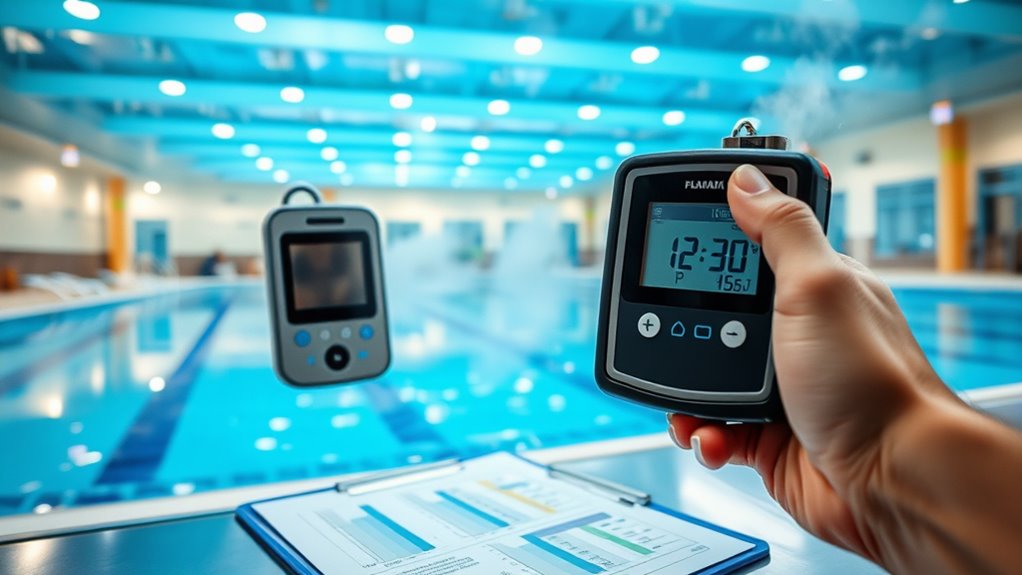
How often should you check water balance parameters in an indoor water park? Ideally, you test multiple times daily, especially during operating hours. Large or high-use facilities may check every 2 to 4 hours, while smaller parks might test once a day. Regular testing guarantees water remains safe and balanced. Consistent testing is essential for meeting regulatory standards and ensuring swimmer safety. Additionally, using reliable testing methods like digital photometers or colorimetric kits helps maintain accuracy and efficiency in monitoring. Key parameters include:
- Free chlorine (1.0–5.0 ppm, usually around 3.0–5.0 ppm)
- pH levels (7.4–7.6)
- Turbidity (below 3 NTU)
- Temperature (around 25–30°C)
- Combined chlorine (kept very low, 0–0.2 ppm)
These tests are performed using digital photometers, colorimetric methods, or test strips. Maintaining proper balances prevents health risks, equipment damage, and ensures a clear, comfortable swimming environment.
Weekly Testing of Total Alkalinity

Weekly testing of total alkalinity is essential for maintaining stable pH levels and ensuring overall water quality in your indoor water park. Alkalinity acts as a buffer, preventing rapid pH fluctuations that can harm swimmers and damage equipment. The ideal range is usually between 80 and 120 ppm, and maintaining this range helps avoid corrosive or cloudy water conditions. Frequent testing is especially important in heavily used pools, during weather changes, or after chemical adjustments. Using test kits or automated systems, you can regularly monitor alkalinity levels and adjust chemicals accordingly. Proper alkalinity helps protect your pool surfaces and equipment, keeps water safe, and guarantees compliance with health regulations. Regular testing creates a stable environment, promoting safe and enjoyable swimming experiences. Maintaining proper alkalinity also helps prevent scale buildup and metal staining, ensuring the longevity of your pool components. To optimize water chemistry, understanding water balance is crucial for long-term pool health and safety.
Monthly Assessment of Calcium Hardness

Maintaining balanced calcium hardness levels is key to preserving your pool’s integrity and water quality. Monthly testing ensures your calcium levels stay within the ideal range, preventing damage and ensuring smooth operation. You can increase calcium hardness by adding calcium chloride or dilute the water if levels are too high. Regular checks help you spot fluctuations caused by local water quality or chemical adjustments. Keep in mind, levels may vary seasonally but testing should remain consistent. Proper calcium hardness protects your equipment and surfaces, maintaining clarity and swimmer comfort. To stay on top of this, consider these tips: Monitoring calcium levels regularly is essential for early detection of potential issues. Use digital testers or at-home kits for quick readings. Test after chemical treatments or water additions. Adjust calcium levels promptly to prevent scaling or corrosion. Monitoring local water quality regularly can help anticipate fluctuations and maintain optimal levels. Schedule monthly checks to ensure water stability.
Regular Checks of Stabilizer Levels
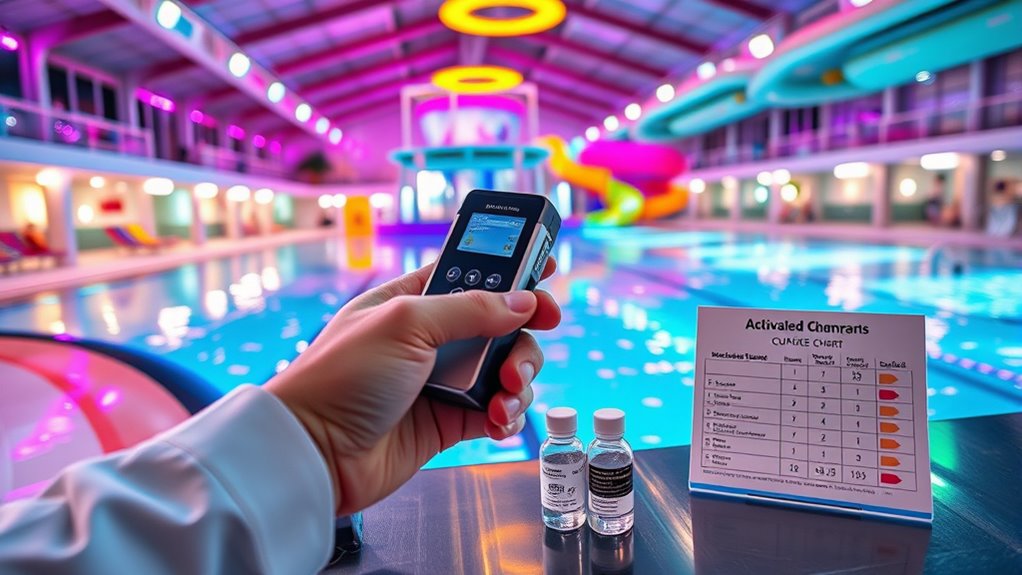
Regularly checking stabilizer levels is essential to guarantee your pool’s chlorine remains effective and your water stays balanced. Stabilizers like cyanuric acid protect chlorine from sunlight breakdown, which is especially important in outdoor or sun-exposed indoor pools. You should test stabilizer levels weekly as part of routine maintenance. Weather conditions, such as intense sunlight, can deplete stabilizer effectiveness, so more frequent testing may be necessary during sunny days or heavy usage. Proper stabilizer levels also help protect your pool equipment and ensure swimmer safety. Using reliable test kits or digital testers provides accurate results. After adding stabilizers or chemicals, retesting ensures proper balance. Maintaining proper stabilizer levels is crucial for preventing chlorine loss and reducing chemical consumption. Consistent monitoring prevents issues like algae growth and cloudy water, maintaining a safe, clean swimming environment. Ensuring your pool’s water chemistry remains balanced is vital for a safe swimming experience and can extend the lifespan of your pool equipment.
Less Frequent Testing of Metals and TDS

Since metals like copper and iron and total dissolved solids (TDS) tend to change slowly over time, testing for them less frequently—typically on a monthly basis—is sufficient for indoor water parks. This schedule helps prevent issues like scaling, corrosion, and metal staining without the need for daily checks. Regular monthly testing guarantees metal levels stay within safe and aesthetic limits, guiding chemical treatments and water replacement. You should also keep in mind:
- Testing methods often involve lab or semi-automated equipment.
- Results inform adjustments in chemical dosing.
- Monthly testing aligns with industry standards and regulations.
- Less frequent testing reduces operational costs.
- Monitoring helps prevent long-term buildup and equipment damage.
Water chemistry stability over time also means that infrequent testing can be effective in maintaining overall water quality and safety, especially when combined with proper water treatment protocols.
Impact of Swimmer Activity on Testing Schedules
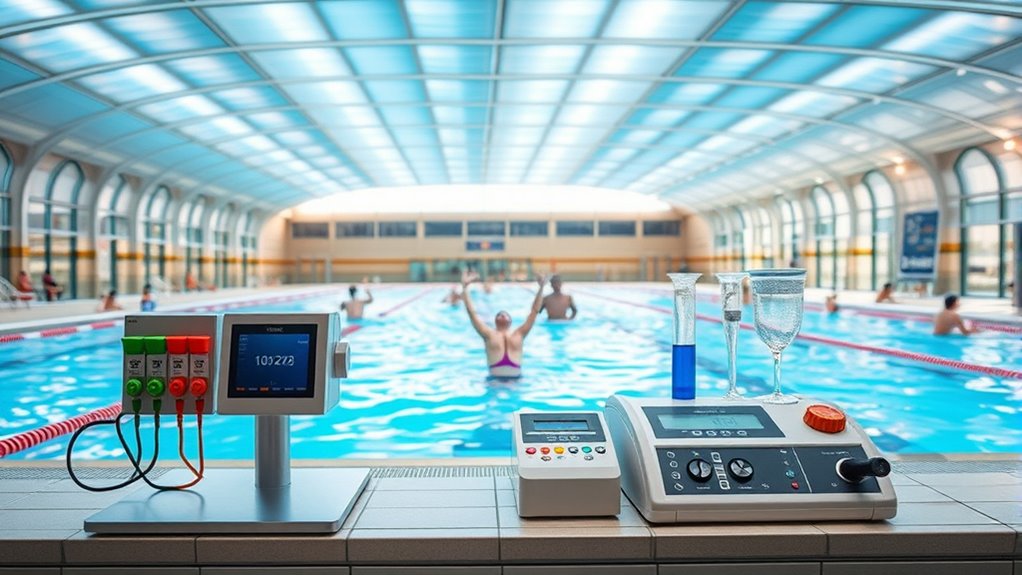
Swimmer activity directly impacts how often you need to test water quality in indoor water parks. When bather load increases, especially during peak seasons, you should test the water at least twice a week to guarantee safety and cleanliness. Higher swimmer activity can quickly deplete disinfectant levels, making frequent testing crucial to maintain proper sanitation. Regular pH checks are also essential to prevent imbalances that could compromise water quality. If tests reveal low disinfectant levels or improper pH, immediate corrective actions are required to protect swimmers. In commercial pools with high bather loads, more frequent testing helps prevent pathogen growth, such as Legionella. Staying vigilant with testing during busy periods ensures compliance with safety standards and keeps water safe and healthy for everyone. Increased testing frequency is recommended during busy seasons to ensure water quality. Additionally, understanding the impact of swimmer activity on water chemistry can help optimize maintenance routines and ensure ongoing safety.
Use of Automated Sensors for Continuous Monitoring
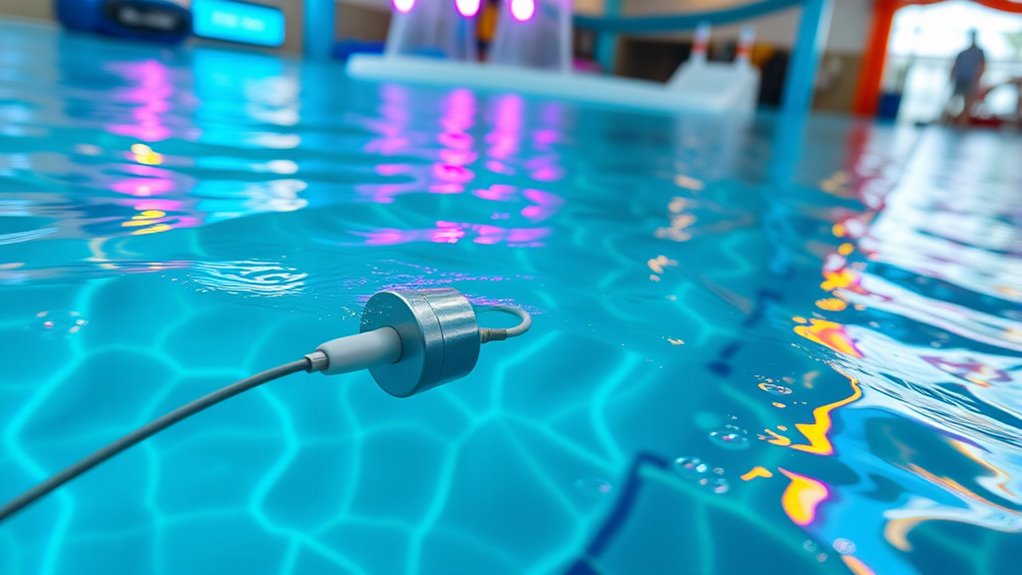
Automated sensors revolutionize water quality monitoring by providing continuous, real-time data on key parameters like pH, temperature, and chlorine levels. This enables you to make immediate adjustments, ensuring water remains safe and comfortable. Essential techniques include building tension and using dynamic contrasts. These systems reduce manual checks, cutting labor and human error, while catching issues early to prevent costly repairs. They often integrate seamlessly with existing systems, such as SCADA or cloud platforms, enhancing overall monitoring capabilities. With IoT technology, you gain remote access and data insights, which help identify trends and potential problems before they escalate. Additionally, real-time alerts notify you instantly if parameters drift outside safe ranges, allowing swift corrective actions. This proactive approach keeps water conditions ideal, safeguarding swimmers and maintaining compliance effortlessly. Maintaining water quality is essential for ensuring a safe and enjoyable experience for all visitors.
Regulatory Requirements for Water Testing in Indoor Water Parks
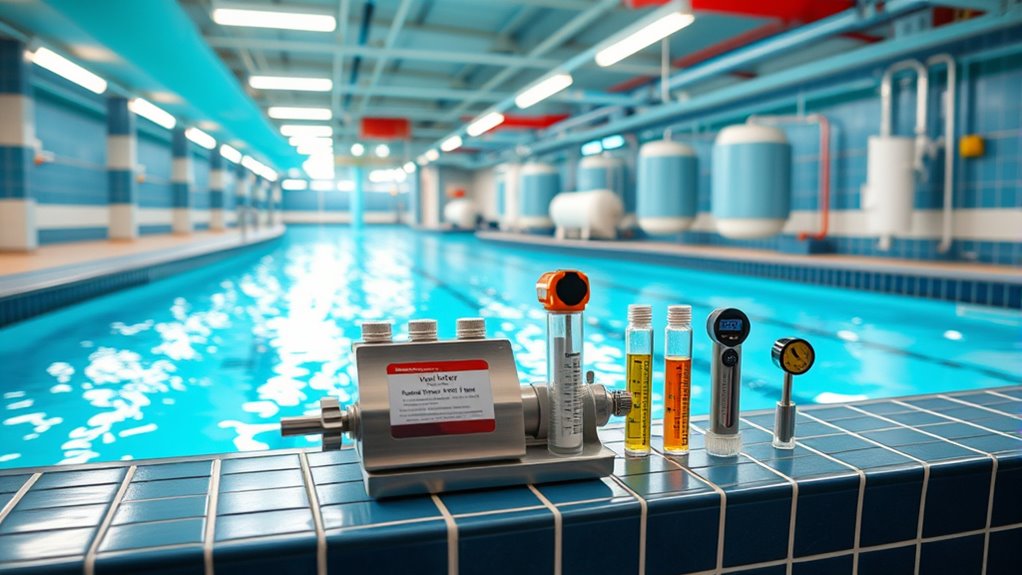
Regulatory requirements for water testing in indoor water parks are designed to protect public health by ensuring water quality and safety standards are consistently met. You must follow state-specific rules, like Wisconsin’s ATCP 76, covering all public pools and attractions. Testing frequency varies: pH and disinfectant levels are checked twice daily for pools and four times for whirlpools. Combined chlorine is tested twice weekly for pools and daily for whirlpools. Water temperature, circulation, and source are also regulated. Operators can request variances if needed, but only if public health isn’t at risk. Enforcement is carried out by state agencies to uphold standards. Additionally, maintaining a focus on creative problem-solving can help operators adapt to unexpected water quality issues efficiently.
Frequently Asked Questions
How Do Indoor Water Parks Ensure Water Quality During Peak Hours?
During peak hours, you guarantee water quality by testing chlorine and pH levels every 2 hours, especially if manual methods are used. Automated systems help maintain proper chemical balance, but manual testing provides added safety. You monitor multiple locations, record results, and respond immediately to any out-of-range readings. Bather load and special events can increase testing frequency, ensuring the water remains safe, clean, and healthy for all swimmers.
Are Manual Test Kits Still Used Alongside Automated Sensors?
Imagine you’re back in the days of dial-up internet—manual test kits are still in use alongside automated sensors in indoor water parks. You rely on manual kits to verify sensor accuracy and test parameters sensors can’t monitor, like metals or cyanuric acid. Staff perform these manual tests periodically to guarantee water quality stays safe, especially during equipment maintenance or when sensors malfunction, providing a reliable backup for continuous safety.
What Happens if Water Chemistry Levels Fall Outside Safety Standards?
If water chemistry levels fall outside safety standards, you’ll see immediate action. The water park staff retests the water to confirm the issue, then adjusts chemicals like chlorine or pH to bring levels back into the safe range. They might increase filtration, perform shock treatments, or temporarily close the pool if necessary. Your safety is the top priority, so they act quickly to restore proper water quality and prevent health risks.
How Quickly Can Indoor Water Parks Respond to Chemical Imbalances?
When a chemical imbalance hits, you can expect a rapid response, like a firefighter rushing to the scene. Indoor water parks often react within minutes to an hour, using automated feeders and sensors that adjust chlorine and pH on the fly. Skilled staff monitor these systems continuously, ensuring that imbalances are corrected swiftly, keeping the water safe and inviting, just like a well-orchestrated symphony of safety and cleanliness.
Do Indoor Water Parks Test for Contaminants Beyond Chlorine and Ph?
Yes, indoor water parks do test for contaminants beyond chlorine and pH. You’ll find tests for total copper, silver, turbidity, cyanuric acid, and bacteria like Legionella and Mycobacteria. These tests happen weekly, monthly, or quarterly, depending on the specific contaminant and local regulations. Regular testing keeps the water safe, clear, and within health standards, ensuring a fun and safe experience for everyone.
Conclusion
Staying on top of water quality is like tending a delicate garden—you need consistent care and attention. By regularly testing chlorine levels, pH, and other parameters, you ensure a safe, sparkling oasis for everyone. Automated sensors act as vigilant guardians, constantly watching over the water. Remember, routine checks aren’t just guidelines—they’re the lifeblood that maintains your indoor water park safe, inviting, and ready to make a splash without a hitch.