
TL;DR
A home without a traditional chimney may still be able to accommodate a wood-burning stove: a twin-wall flue can carry smoke safely outside. Installations need a suitable route and a qualified installer, and the source report estimates typical costs at £1,500 to £4,000. Bioethanol and electric stoves are alternatives where adding a flue is not feasible.
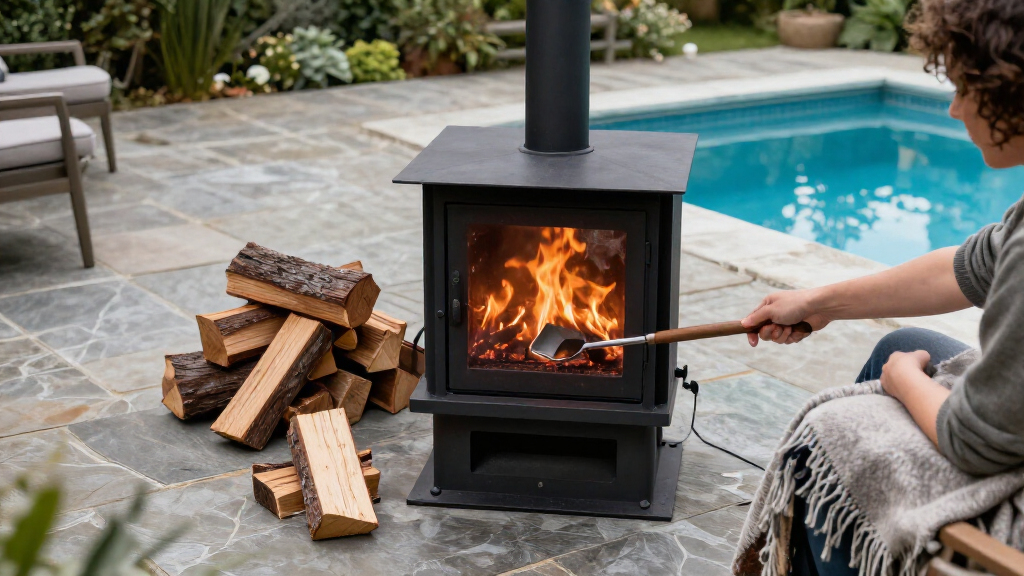
Homeowners without a traditional chimney may still be able to install a log-burning stove by fitting a twin-wall flue to carry smoke outside, according to an Ideal Home report. The option can avoid building a conventional chimney, but the flue route, clearances and applicable building requirements must be assessed before installation.

Get pool and patio gear delivered free with Prime
- Fast, free delivery on millions of items
- Prime Video, Amazon Music and more included
- Member-only deals all year
A twin-wall flue is made from two metal tubes with insulation between them and works as an alternative route for smoke and fumes. It can run through the interior of a property and exit through the roof, or travel outside along an external wall. The report says an internal route may retain heat more efficiently, while an external one can mean less work inside the home.
Adam Leah, founder and director of Direct Stoves, described the system as an “artificial chimney” for homes without an existing one. He also said a false chimney could be built around the installation to create a traditional-looking feature and conceal part of the flue. That is an aesthetic choice, not a substitute for ensuring the flue itself is correctly installed.
Installation conditions depend on the design and building. Jon Butterworth, director at Arada, said an exposed flue needs a minimum height of 4.5 metres, whether routed internally or externally. The source report also says the flue and flashing kit need a suitable termination surface; it identifies wood, metal and brick as possible materials, and says glass and plastic are unsuitable. These points should be checked against the specific product and property by a qualified professional.
Costs and Property Limits
The flue option could give owners of homes without chimney breasts another way to consider a wood-burning stove, without the work of constructing a traditional chimney. But it is not a plug-in installation: the route must safely remove smoke, meet applicable requirements and suit the building. A wall or roof exit can widen placement options, while clearances from combustible materials and the structure at the exit point constrain what is practical.
Adam Pederson, managing director at Topstak, told Ideal Home that a typical installation costs about £1,500 to £4,000, including labour, with price affected by the flue’s length and project complexity. He said many installations can be completed in a day, but the source does not provide a survey or quote for any particular home. Homeowners should treat the figure as an estimate, not a guaranteed price.
Property status can also affect the decision. Pederson said planning considerations may apply to listed buildings or homes in conservation areas. Anyone considering the work should check what permissions and compliance steps apply to their property, rather than assuming that an external flue avoids those requirements.
Products Worth Considering

GoPro Wireless Mic Complete Kit with 2 Transmitters, 2 Receivers, and Charging Case

DJI Mini 5 Pro Fly More Combo with DJI RC 2

Amazon Kindle Paperwhite 16GB, 7-Inch Display, Graphite
As an affiliate, we earn on qualifying purchases.
Flue Routes and Other Fires
The report’s central distinction is between a wood-burning stove, which needs a flue to expel smoke, and alternatives that do not burn logs. A twin-wall system does not make a stove flueless: it supplies a new passage out of the building. The route may be internal or external, and a false chimney can be added to improve the appearance or hide the pipework.
For homes where a flue cannot be installed, the report describes bioethanol fires as a different option. Arada’s Butterworth said they burn liquid bioethanol and do not require a chimney or flue because they produce no smoke, soot or ash. He cautioned that they generally provide less heat than wood or multi-fuel stoves and may cost more per unit of heat than seasoned logs, making them more suited to ambience than primary heating.
The source also mentions electric stoves as a budget- and renter-friendly alternative, but the supplied material gives no further details about their performance or cost. Neither alternative should be treated as equivalent to a wood burner: their fuel, installation needs and heat output differ.
“A twin-wall flue system is the go-to solution for wood-burning stove installation in a home without a chimney.”
— Adam Leah, founder and director of Direct Stoves
What a Survey Must Confirm
The report does not establish whether a particular home can safely or lawfully take a twin-wall flue. That depends on a property survey, route, clearances and installation details. It gives no project-specific assessment, confirmed quotation or full breakdown of any permissions required, and its cost and height figures should not be read as a substitute for advice about a specific appliance or building.
The source says a certified installer, described by Pederson as a HETAS-registered engineer, surveys and installs the flue and issues a Building Regulations compliance certificate. It does not set out every step or explain how requirements may vary by location or circumstance. The supplied material also does not specify the details of the electric-stove alternative. Those questions remain open until checked with the relevant installer and official authorities.
Get the Route Checked
Anyone considering a log burner should first ask a qualified installer to assess the home and propose a flue route, including its exit point, height and clearances. Before committing to work, owners should obtain a property-specific written quote and confirm what compliance documentation and permissions apply, especially if the building is listed or lies in a conservation area. The report does not identify a scheduled policy change or next industry milestone; the next step is a survey of the individual property.
Key Questions
Can I have a log burner without a traditional chimney?
Possibly. The report says a twin-wall flue can carry smoke outside through a roof or wall, but a qualified installer needs to assess whether a suitable route and compliant installation are possible in your home.
How much does a twin-wall flue installation cost?
Topstak’s Adam Pederson gave a typical estimate of £1,500 to £4,000 including labour. He said cost varies with the length and complexity of the run; this is not a quote for an individual property.
Can a log burner go in any room?
No. A flue may exit through a wall or roof, but the route, clearances from combustible materials, suitable exit surfaces and any planning considerations can limit placement. Get the proposed location checked by a qualified installer.
What if a flue cannot be fitted?
The report identifies bioethanol and electric stoves as alternatives. Bioethanol fires do not require a flue, according to Arada’s Jon Butterworth, but generally produce less heat than wood or multi-fuel stoves. The source provides limited detail on electric models.
Source: rss