TL;DR

Get pool and patio gear delivered free with Prime
- Fast, free delivery on millions of items
- Prime Video, Amazon Music and more included
- Member-only deals all year
A Livingetc report says bioethanol fireplaces have moved beyond the glass-heavy, novelty-style designs that once gave them a poor reputation. Industry representatives describe newer models as more refined and architecturally adaptable, with real flames and, in some cases, app controls; they still lack the crackle and changing character of burning logs.
Bioethanol fireplaces have undergone a design shift, with newer models moving beyond the shiny wall boxes and tabletop burners that helped give the category a novelty reputation, according to a Livingetc report. The change matters to homeowners and renters without chimneys who want a real flame and a fireplace-style focal point without installing a flue, though the fires do not reproduce every feature of a wood fire.
The report describes current designs as more restrained, with cleaner lines, understated finishes and more considered proportions. Rather than making the appliance itself the main visual feature, some newer fireplaces are designed to integrate into a room’s architecture. The range described includes suspended forms, sculptural plaster surrounds, stone features and garden pots, as well as stove-inspired models.
Richard Fewings, owner of Glowing Embers, recalled that early bioethanol fires were often inexpensive wall boxes or tabletop burners with a thin blue flame. He said that appearance led consumers to view them as novelty products. Jon Butterworth, director at Arada, said newer designs have moved away from the glass-heavy styles of earlier models and place greater emphasis on the flame.
Some models also bring functional features beyond appearance. Daniel Sanders, director of Modus Fireplaces, said advances include linear flames up to two metres long, realistic log effects and smart-home or app controls. Product examples in the report list burn times and heat outputs that vary by model, including one stove-style unit described as producing 3kW of heat for up to four hours. Those are product-specific figures, not a general performance standard for the category.
A Fireplace Option Without a Flue
For homes without an existing chimney, a bioethanol fireplace can offer a way to add a live flame without chimney or flue work. Its placement flexibility may also appeal to renters or people planning a room around a focal point, although whether a particular unit is suitable depends on the product and the home.
The design shift could make the category more relevant to people who dismissed earlier models as decorative gadgets. A more integrated appearance gives designers additional ways to use a flame as part of a room’s layout. Still, the source’s examples and comments come from people working in the fireplace industry; they do not establish that every newer model performs equally well or suits every space.
Bioethanol fires also differ from wood burners in the experience they provide. They produce real flames, rather than an LED imitation, but Butterworth said they do not recreate the crackling sound or the changing appearance of burning logs. Buyers weighing the trade-off are choosing not just a style, but a different kind of fireside experience.
Products Worth Considering
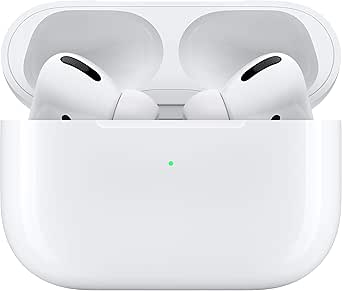
Apple AirPods Pro

Briggs & Riley Sympatico 30-Inch Expandable Hardside Spinner Luggage, Plum

Apple AirPods Pro (1st Generation) with MagSafe Charging Case
As an affiliate, we earn on qualifying purchases.
From Novelty Burners to Integrated Designs
The appeal of bioethanol fires has long been their ability to operate without a chimney or flue, alongside the prospect of avoiding wood storage and ash cleanup associated with conventional wood fires. The Livingetc report says those practical features initially came with designs that often looked out of place in a carefully planned interior.
The shift described by the report is chiefly about design and product development, not a claim that bioethanol units have become identical to wood-burning stoves. Manufacturers and sellers cited in the article point to more familiar stove proportions, glass-fronted doors, dark finishes and ceramic logs. The flame itself is real, but the fuel, installation needs and sensory experience differ from a log fire.
“Early bioethanol fires were mostly cheap wall boxes and tabletop burners with a thin blue flame, and due to this they gained a bad reputation as a novelty item.”
— Richard Fewings, owner of Glowing Embers
Performance Depends on the Model
The report does not provide independent tests comparing the heat output, fuel consumption or running costs of different bioethanol fireplaces with wood burners or other heating systems. Product specifications vary: the examples cited list different burn times and heat outputs, and those figures should not be treated as typical of all units.
It is also not clear from the source what ventilation, clearance or installation requirements apply across the category, or whether a specific model is appropriate for a particular property. The article’s industry sources describe design advances and customer impressions, but do not provide independent evidence that viewers generally cannot distinguish these flames from wood fires.
Check Specifications Before Buying
Readers considering a bioethanol fireplace should compare the manufacturer’s specifications and instructions for the exact model, including its stated heat output, burn time, fuel requirements and installation conditions. The Livingetc report documents a design trend, but it does not identify a single model as suitable for every home.
Further comparisons of operating costs, performance and installation requirements would help clarify how the newer designs work in everyday use. Until those details are available for each product, the clearest confirmed development is the category’s more varied styling—not that bioethanol fires are a direct substitute for every function of a wood-burning fireplace.
Key Questions
Do bioethanol fireplaces need a chimney?
The report describes bioethanol fires as flueless, meaning they do not require a conventional chimney or flue. Check the instructions and installation requirements for the specific model before buying.
Do they produce real flames?
Yes. The fires discussed in the report burn bioethanol and produce real flames, not LED effects. Their appearance can resemble a wood fire, but the experience is not identical.
Can a bioethanol fireplace heat a room?
Some models list heat outputs, and the report gives examples ranging from about 2kW to 3kW. Those are specifications for individual products; the source does not establish a typical output or show how effectively a unit heats a particular room.
Do they sound and look exactly like wood fires?
No. Arada director Jon Butterworth said bioethanol fires do not reproduce the crackling sound or changing appearance of burning logs, even though they create a genuine flame and some models use realistic ceramic logs.
Source: livingetc.com