
TL;DR
Listen free for 30 days with Audible
Thousands of audiobooks and originals — cancel anytime.
Start your free trialAs an affiliate, we earn on qualifying purchases.
Groundhogs are causing garden damage, prompting homeowners to seek effective deterrents. Experts recommend fencing, repellents, and habitat changes. This guide summarizes confirmed methods and ongoing challenges.
Groundhogs are causing increasing concern among gardeners as they damage vegetable beds and ornamental plants. Experts confirm that installing physical barriers like fencing and using repellents are among the most effective methods to prevent groundhog intrusion, making this a timely issue for homeowners during the growing season.
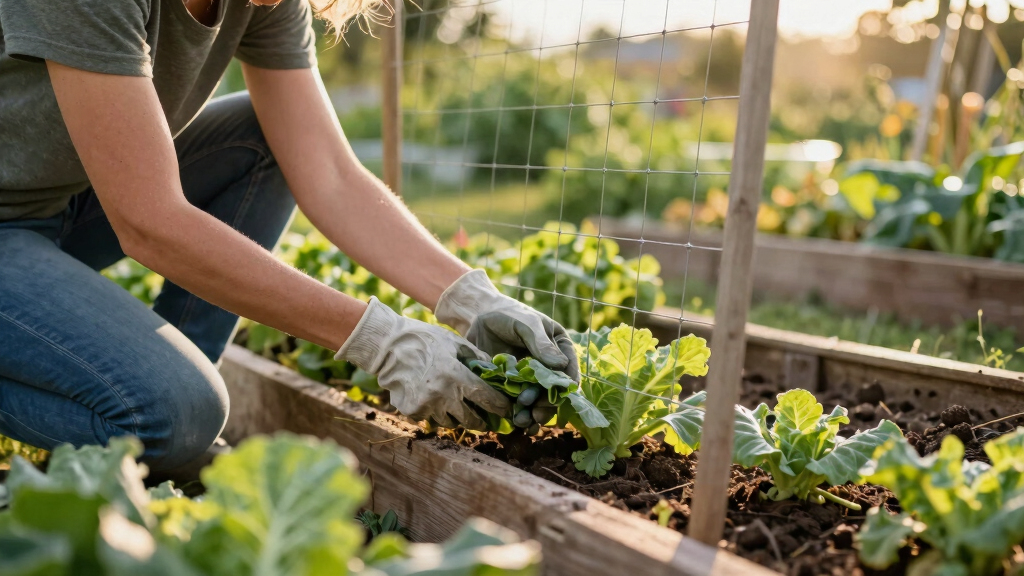
According to wildlife experts, the most reliable way to keep groundhogs out of gardens is to install a sturdy fence at least 3 feet high, with the bottom buried 12 inches underground to prevent burrowing underneath. The fence should be made of heavy-gauge wire mesh, such as hardware cloth, and extend outward from the garden to create a barrier.
Repellents, both commercial and natural, can also be effective when applied regularly. Experts recommend using castor oil-based repellents or commercial products containing predator scents, though their effectiveness varies and they often require frequent reapplication. Habitat modification, such as removing brush piles and dense vegetation where groundhogs shelter, is also advised to make gardens less attractive to these animals.
While these methods are confirmed by wildlife authorities, some gardeners have reported mixed results with certain deterrents, and ongoing research continues into the most effective long-term solutions.
Why Protecting Gardens from Groundhogs Matters
Groundhogs can cause significant damage to vegetable and flower gardens, leading to economic loss and frustration for gardeners. Implementing effective deterrents helps prevent crop loss and reduces the need for more aggressive control methods, which can sometimes be harmful to other wildlife or pets. Understanding proven strategies supports sustainable gardening practices and promotes coexistence with local wildlife.
As an affiliate, we earn on qualifying purchases.
Groundhogs’ Growing Presence in Residential Gardens
Groundhogs, also known as woodchucks, are native to North America and typically inhabit open fields and woodland edges. In recent years, urban and suburban expansion has encroached on their natural habitats, leading to increased encounters with homeowners. Reports from local extension offices indicate a rise in groundhog-related complaints during the spring and early summer months, coinciding with their active burrowing and foraging periods.
Traditional control methods include trapping and relocation, but these are often regulated or discouraged due to wildlife protection laws. As a result, preventative measures like fencing and habitat management have become the primary recommendations for gardeners seeking to avoid damage.
“A properly installed fence is the most reliable way to keep groundhogs out of your garden. It’s essential that the fence is buried and tall enough to prevent burrowing or climbing.”
— Dr. Susan Miller, Wildlife Biologist
hardware cloth garden fence 3 feet high
As an affiliate, we earn on qualifying purchases.
As an affiliate, we earn on qualifying purchases.
Limitations and Uncertainties in Groundhog Deterrents
While fencing is widely regarded as effective, some homeowners report that groundhogs occasionally find ways to breach barriers or burrow underneath. The long-term effectiveness of repellents varies, with some studies indicating inconsistent results. It remains unclear whether new natural or chemical deterrents will prove more reliable as research continues.
Additionally, the impact of habitat modification on local ecosystems and groundhog populations is still being studied, and some methods may have unintended consequences.
As an affiliate, we earn on qualifying purchases.
Next Steps in Groundhog Control Strategies
Researchers are exploring new deterrent technologies, including ultrasonic devices and more potent repellents, with trials ongoing. Local wildlife agencies are also monitoring groundhog populations to better understand their movements and develop integrated management plans. Homeowners are advised to stay updated on best practices and consult local extension services for tailored advice.
As an affiliate, we earn on qualifying purchases.
Key Questions
What is the most effective way to keep groundhogs out of my garden?
The most reliable method is to install a sturdy, buried fence at least 3 feet high around your garden. Combining fencing with habitat modification and repellents can improve success rates.
Are natural repellents safe and effective?
Natural repellents like castor oil-based products are generally safe and can be effective if reapplied regularly, especially after rain. However, their effectiveness varies, and they are best used in conjunction with physical barriers.
Can I trap and relocate groundhogs myself?
Trapping and relocating groundhogs may be regulated by local laws and is often discouraged due to potential harm to wildlife. It’s recommended to consult with professional wildlife control services or local authorities before attempting removal.
What habitat features attract groundhogs to residential areas?
Groundhogs are attracted to areas with dense vegetation, brush piles, and accessible food sources like vegetable gardens. Removing these features can make your property less appealing to them.
Are groundhogs dangerous or aggressive?
Groundhogs are generally shy and avoid humans. However, they can become aggressive if cornered or threatened, and they may carry diseases. It’s best to handle their presence with caution and professional advice.
Source: rss
Flea & tick season Picks
flea and tick prevention
As an affiliate, we earn on qualifying purchases.