TL;DR
Inflatable pool floats are air-filled accessories for relaxing or playing in calm water, ranging from simple rings to loungers and novelty shapes. Choose one by checking its dimensions, weight limit, chambers, valves, and intended use, then rinse and dry it before storage. A float is not a life-saving device: supervise children closely and use an approved life jacket when appropriate.
A giant flamingo can look like a small island in the pool, but its bright wings don’t tell you how much weight it can hold or how stable it will feel. Inflatable pool floats are buoyant accessories designed for relaxing or playing in calm water, and they range from simple rings and air mattresses to loungers, animals, and oversized novelty shapes.

Get pool and patio gear delivered free with Prime
- Fast, free delivery on millions of items
- Prime Video, Amazon Music and more included
- Member-only deals all year
This guide helps you choose a float that suits your pool, body, and plans. You’ll learn which construction details matter, how to inflate and care for your float, and why a pool toy should never take the place of adult supervision or approved safety equipment. A little checking before you inflate can make a sunny afternoon more comfortable—and help the float last beyond one season.
Check the manufacturer’s dimensions and maximum load; a large appearance doesn’t mean a float holds several people.
Pick a shape that fits your pool, storage area, balance, and plans for the water.
Inflate until firm, not stretched; heat can expand the air inside.
Treat pool floats as recreation, never as life-saving equipment, and supervise children closely.
Rinse, dry, and store floats out of sun; use a compatible patch kit for small leaks.
Choose a float that fits your body and your pool
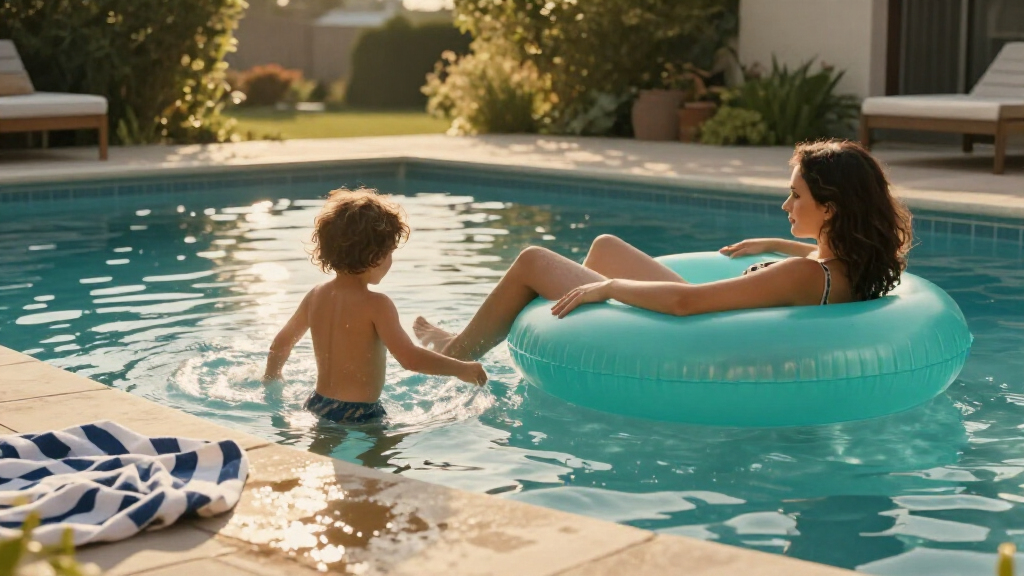
An inflatable pool float is an air-filled accessory that supports lounging or play in calm water; its size, shape, and stated capacity determine how it works for you. A simple ring leaves your legs in the water, while an air mattress supports more of your body, and a lounger may add a backrest or mesh panel. These shapes change how you balance and move: a ring makes it easy to kick and paddle, while a broad mattress is more suited to lying still but can be harder to steer. Choose for the activity you expect, because a float optimized for relaxing may be awkward when you want to move around.
Before you buy, check the manufacturer’s dimensions and maximum load. A wide swan may look roomy, yet its listed capacity could suit one rider. The load limit indicates what the product is designed to support; it does not guarantee that a crowded float will remain stable or comfortable. For example, if two adults plan to share a float, look for an explicitly stated multi-person capacity and enough usable space for both to sit without pushing each other toward the edge. Even within the listed limit, shifting weight can tilt a float, so leave room to move without crowding.
Think about where you’ll use it, too. A compact ring is easier to carry and store than a long lounger, while a tall novelty float can feel awkward to climb onto. In a small pool, a giant design may block the steps or leave little room for swimming; that affects access as well as convenience. Measure the storage space as well as the pool. A float that fits the water but not your shed may end up folded poorly or left outside, which can shorten its useful life.
Some models add headrests, cup holders, fabric covers, or mesh bottoms. These features can make a float more pleasant during a slow afternoon, but they add bulk and may raise the seating position, making boarding less steady. A mesh panel can let water cool your back, while a solid surface keeps more of your body out of the water. If you have limited balance, choose a lower design with handles and a broad base. Fit and intended use matter because comfort features only help when the float remains manageable in your pool and for your body.
Products Worth Considering

GoPro Fluid Pro AI 3-Axis Gimbal Stabilizer with AI Tracking and Fill Light

Travelpro Maxlite 5 21-Inch Expandable Softside Carry-On Luggage, Green

GoPro HERO Compact Waterproof 4K Action Camera
As an affiliate, we earn on qualifying purchases.
Read the seams, valves, and chambers before you buy
Material, seam quality, valve design, and air chambers affect how a float holds air, handles use, and gets repaired. Many floats use vinyl or PVC; some add a fabric cover or reinforced seams. A thicker-looking surface can feel sturdier, but thickness alone doesn’t show how well seams are joined or how the material responds to folding and heat. Construction details and the maker’s instructions are better clues than appearance alone.
Look at how the float inflates. A valve that opens wide can make a manual or electric pump easier to use, while a small opening may take longer or need a specific nozzle. That affects more than setup time: forcing an incompatible nozzle can strain the valve, creating a leak where a patch may be difficult. Multiple air chambers can help the float retain some shape if one area loses air, giving you a chance to notice a problem and get out of the water. They do not guarantee continued support or make the float a safety device. Check that each valve closes securely and that the seams look even rather than puckered.
Imagine unpacking a new lounger at a family barbecue: the kids are waiting, the pool is already sparkling, and you discover the valve needs a specific nozzle. Reading the product details beforehand—and checking whether the maker recommends a pump—can save that scramble. It also helps you avoid overinflating while trying to speed things up. Keep a compatible repair kit nearby if the manufacturer offers one for the material, since adhesives and patches made for another surface may not hold.
Don’t assume that more chambers or a premium finish guarantee a particular lifespan. Sharp pool edges, rough concrete, pet claws, heat, and frequent folding all affect wear, and each creates a different weak point: abrasion can thin the surface, while repeated creasing can stress seams. A float that you rinse, dry, and store carefully may outlast one with thicker material that stays baking in the sun. Build quality helps, but care and conditions matter too.
Inflate it firmly, then keep it in calm water
Inflate your float with the specified valve and a suitable pump until it feels firm, but stop before the surface stretches tight or rigid. The air supports your weight by holding the float’s shape; too little can make it sag and feel unstable, while too much leaves less room for the air to expand as it warms. Air expands as it warms, so a float filled to maximum firmness in a cool garage can become overfilled under midday sun. Follow the maker’s instructions, and check the valve and seams before use.
For a simple routine, follow these steps:
- Inspect the float for worn seams, cracks, or a loose valve.
- Use the recommended pump and nozzle, then close the valve fully.
- Press gently across the surface to spot soft areas or escaping air.
- Recheck after it warms, and release a little air if the material looks stretched.
A family might inflate a float on the cool patio before lunch, then leave it beside a hot pool for an hour. When the sun heats the vinyl, the air inside expands. Moving the float into shade when it isn’t in use and avoiding excessive inflation can reduce strain on seams. This matters especially for floats with long seams or large flat panels, where pressure can concentrate as the material tightens.
Use standard pool floats in calm, controlled water. Wind can push a float across a pool or away from a lakeshore; currents, waves, and boat traffic add hazards in open water. A float designed for the backyard pool isn’t built to keep you safe at a beach or lake, where conditions can change faster than a rider can paddle back. Check local advice and choose suitable approved equipment for open water.
Keep children safe with supervision and proper flotation gear
A pool float is not a life-saving device and cannot replace an approved life jacket or close adult supervision. A child can slip off, become trapped, or drift into deeper water, even when the float looks stable and the pool seems calm. The float’s buoyancy supports the toy, not a child in every position or after they fall into the water. Follow product age and weight guidance, and keep children within arm’s reach when their age or swimming ability calls for it.
For example, an adult reading from a nearby lounge chair may not notice a child slide from a ring into the water. Stay close and focused while children are swimming, and use barriers and other layers of pool protection where available. Choose equipment suited to the child’s size and the activity; a novelty float is a plaything, not a substitute for an approved, properly fitted life jacket when one is needed. A life jacket is designed and tested for flotation; a pool toy is not.
Open water calls for extra care. At a beach or lake, wind can carry a float away, and waves or currents can make it hard to return to shore. A rider may be carried farther out even when the float itself seems easy to control near shore. Use a properly fitted, approved life jacket when required or appropriate, follow local water-safety guidance, and don’t treat a pool lounger as protection from those conditions.
Stay close to children in and around water. A float can add fun, but it cannot watch a child or keep them safe on its own.
Comfort features such as backrests and mesh seats can help an adult relax, but taller floats may be harder to climb onto and less steady. When children are nearby, keep toys from blocking steps, ladders, or clear views across the pool; blocked access can slow an exit, and obstructed sightlines make supervision harder. Active supervision and suitable safety equipment remain the foundation; the float is for recreation.
Compare float styles by comfort, stability, and storage
Float styles trade easy storage for support, space, and ease of boarding. Rings pack down small, while loungers often provide a backrest or mesh panel; oversized novelty floats take up more room and may be harder to climb onto. Those tradeoffs affect how much room you have to swim, how easily you can get on and off, and whether the float suits a short play session or a long rest. Compare the job each style does before choosing a shape you’ll need to wrestle into the pool.
| Style | What it offers | What to check |
|---|---|---|
| Ring | Compact, simple play or casual floating | Opening size, age guidance, and listed load |
| Air mattress | Broad surface for lounging | Length, number of chambers, and valve type |
| Lounger | Backrest, mesh, or cup holder on some designs | Boarding stability and pool dimensions |
| Novelty shape | Eye-catching design for play and photos | Storage space, handles, and stated capacity |
Say you have a narrow above-ground pool and a small garden shed. A giant unicorn may look perfect in a photo, but a low-profile ring or compact lounger could leave more room to swim and fold away more easily. In a larger pool, the novelty float might be a fun choice, as long as it doesn’t block access or create crowding. In either setting, the best fit is the one that gives riders space without making the pool harder for others to use.
Features have tradeoffs. A cup holder keeps a drink nearby, but anything that invites glass or spills near the water deserves a careful choice. A taller backrest may support reading, while making it harder to get on from the water. Mesh can feel cooler but leaves part of the body in the water, which may not suit someone looking for a dry place to rest. Match the design to your space and how you plan to use it, rather than buying by appearance alone.
Make your float last longer with a quick care routine
A float can last longer when you rinse away pool chemicals or salt, let it dry fully, and store it away from heat and sharp objects. Chlorine, salt, and grit can leave residue or abrade the surface, while direct sun and heat can age the material and stress seams. Before folding your float, check the seams and valve, then let every surface dry so moisture doesn’t sit inside the folds, where it can make the float harder to clean and encourage odors.
After a day at a chlorinated pool, a quick rinse with fresh water can clear residue from the slick vinyl. Let the float air-dry in shade, deflate it according to the maker’s directions, and store it somewhere cool and dry. Avoid dragging it over rough concrete or leaving it on a hot deck; small scrapes can become leaks, and heat can weaken the material before damage is easy to see.
If you find a puncture, locate the leak, clean and dry the area, and use a repair kit that matches the float’s material. Follow the kit directions and allow the patch to cure for the stated time before reinflating. For instance, a slow leak near a valve may need a different fix than a pinhole in the body, so check the manufacturer’s guidance before applying a patch. A repair only holds when the surface is compatible, clean, and dry; reinflating too soon can lift the patch and turn a small leak into a repeat problem.
Many floats use flexible PVC, which ordinary curbside recycling programs often don’t accept. If the float is still sound, repair or reuse it when possible; for a damaged one, check local disposal options. Dry storage and a small repair can keep a favorite float in service and reduce the chance that one torn seam sends it straight to the bin.
Frequently Asked Questions
Are inflatable pool floats safe for children?
They can be used for supervised recreation, but they are not flotation safety devices. Follow the product’s age and weight guidance, stay close, and use suitable approved safety equipment when needed.
Can I use a pool float at the beach or on a lake?
Standard pool floats are intended for calm water. Wind, waves, and currents can carry you away, so follow local guidance and use a properly fitted, approved life jacket when required or appropriate.
How much weight can an inflatable pool float hold?
It depends on the model. Check the manufacturer’s stated maximum load and don’t assume a large-looking float can safely hold more than one rider.
Why does my float lose air on a hot day?
Air pressure changes with temperature, so a float filled tightly in cooler conditions may feel more stretched as it warms. A loose valve or small leak can also cause air loss; check the valve and seams and avoid leaving the float in intense heat.
How do I clean and store an inflatable pool float?
Rinse off chlorine or salt, let the float dry fully, and store it deflated in a cool, dry place away from sharp objects and prolonged sunlight. Follow the manufacturer’s directions for folding and storage.
Can I recycle a damaged pool float?
Many floats use flexible PVC, which typical curbside programs don’t accept. Check local disposal guidance, and consider repairing or reusing the float when possible.
Conclusion
Choose your float by its fit, stated capacity, and intended water, then give it a quick inspection each time you inflate it. Keep children under close adult supervision, and use approved safety gear when conditions call for it.
With a little care, that bright ring or lounger can return season after season: folded dry in the shed, ready for the next quiet afternoon and the glitter of sun on the water.