
During long, hot days, staying properly hydrated and managing heat stress is essential for your safety and performance. Drink water regularly, about 5-8 ounces every 15 minutes, and include electrolytes to replace lost minerals. Use cool techniques like applying cold packs or cooling your pulse points. Recognize early signs of heat stress, respond quickly, and create a supportive hydration setup at your worksite. Keep learning how to stay safe and cool throughout your shift.
Key Takeaways
- Hydrate proactively with 5-8 ounces of water every 15 minutes, using electrolytes to replace minerals lost through sweating.
- Recognize heat stress symptoms early, such as dizziness, heavy sweating, and muscle cramps, and respond with cooling and hydration.
- Place water stations strategically every 25–50 meters, ensuring they are visible, accessible, and well-stocked to promote regular drinking.
- Use body cooling techniques like applying cold packs to pulse points and evaporative cooling methods to prevent heat-related illnesses.
- After long shifts, replenish electrolytes via sports drinks, monitor hydration signs, and prioritize rest and recovery for optimal rehydration.
The Importance of Hydrating Before Your Shift
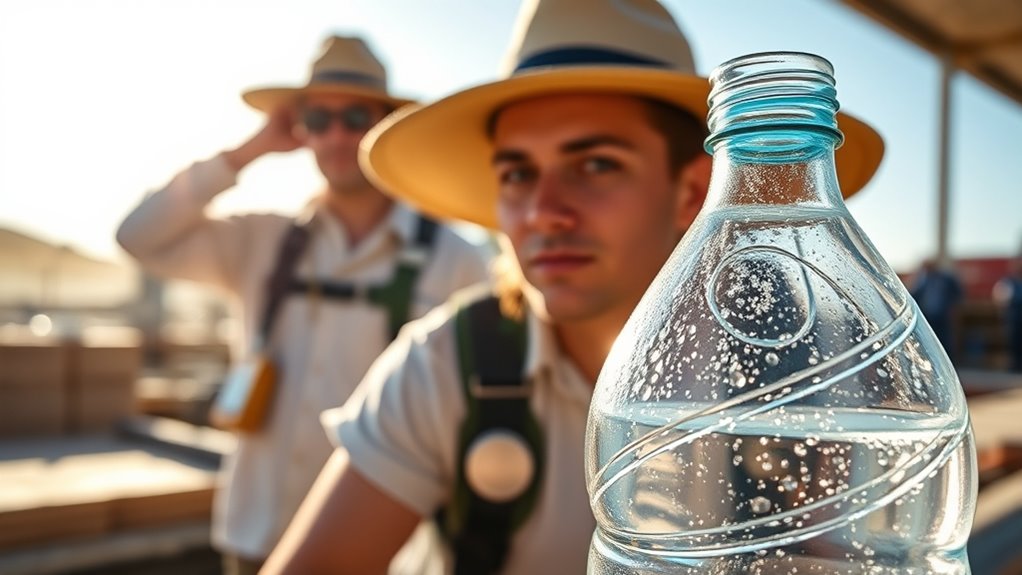
Hydrating before your shift is essential for maintaining safety and ideal performance. When you start well-hydrated, you’re less likely to experience heat-related illnesses because your body maintains maximum hydration levels. Even mild dehydration—just 2% fluid loss—can impair your mental clarity and physical ability, putting safety at risk. Proper pre-shift hydration supports muscle function, reduces fatigue, and helps you stay alert during demanding tasks. It also aids in maintaining fluid balance throughout your shift, encouraging steady drinking rather than reactive hydration. Being well-hydrated enhances cardiovascular efficiency and thermoregulation, preventing heat stress. It keeps electrolyte levels balanced, reducing symptoms like headaches, dizziness, and nausea. Overall, starting your shift hydrated prepares your body to handle heat, maintain focus, and perform safely. Maintaining proper hydration levels before work helps ensure your body’s natural cooling mechanisms are fully active from the start, and understanding the importance of hydration can motivate consistent intake.
Strategies for Staying Hydrated During Long Hours
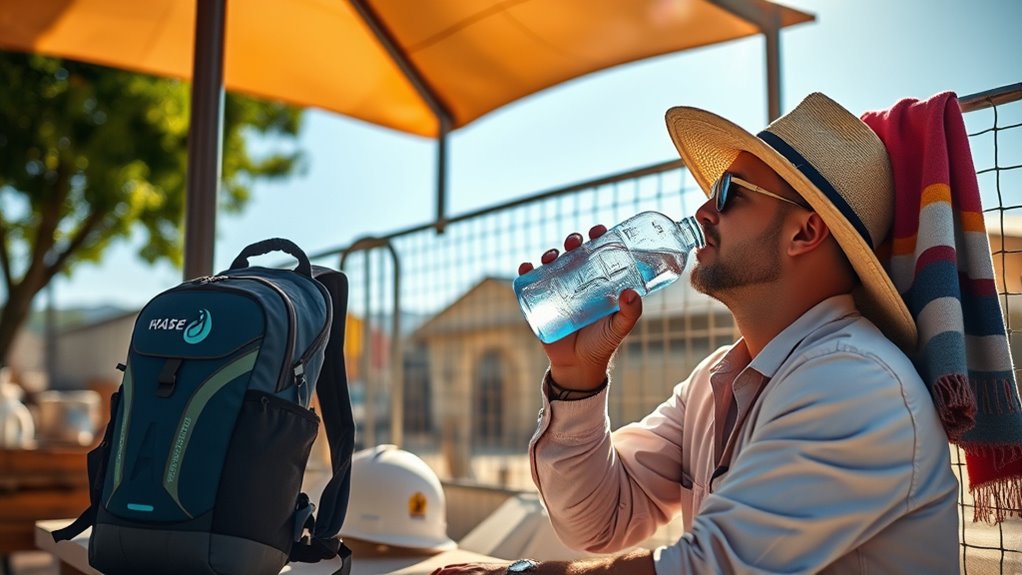
To stay properly hydrated during long hours in hot conditions, it’s important to develop a consistent drinking routine. Aim to drink 5-8 ounces of water every 15 minutes, as regular sipping is more effective than large, infrequent drinks. Remember, thirst isn’t a reliable indicator; dehydration can happen before you feel thirsty. Incorporate electrolyte replacements when sweating heavily, using products with sodium, potassium, and magnesium—avoid sugary drinks. Keep hydration accessible by placing stations strategically around your worksite and using personal bottles or hydration packs. Track your intake through notes or apps, and watch for signs like dark urine or headaches. Using hydration packs can make it easier to carry and access water during long days.
Effective Body Cooling Techniques to Beat the Heat

Targeting pulse points such as wrists, neck, underarms, groin, and behind the knees offers an efficient way to cool your body quickly. Applying cold packs, chilled towels, or cold water to these areas cools the blood near the surface, lowering your core temperature. Evaporative cooling with wet towels or sprays boosts this effect by promoting moisture evaporation. Immersing your hands or wrists in cold water for 15–20 minutes cools faster than full-body immersion, thanks to high blood flow in extremities. Cooling the hands first is more effective because they have high surface area to mass ratio and lots of blood flow, aiding heat loss. Using cooling garments like ice vests or moisture-wicking towels further enhances cooling. Spending time in shaded or air-conditioned spaces, using fans, or taking cool showers also helps dissipate heat. Wetting your skin and clothing combined with airflow maximizes evaporation, providing quick relief during hot conditions. Additionally, understanding how angel number soulmate guidance can motivate you to prioritize self-care during heat waves can be beneficial.
Recognizing and Responding to Signs of Heat Stress

Recognizing the signs of heat stress early can prevent serious health complications. Keep a close eye on symptoms like dizziness, heavy sweating, nausea, muscle cramps, or an increased heart rate. These signs indicate your body is struggling to cool itself. Use the table below to help identify key symptoms and appropriate responses:
| Symptom | Sign | Action |
|---|---|---|
| Dizziness, fainting | Lightheadedness | Move to shade, hydrate, rest |
| Heavy sweating, clammy skin | Heat exhaustion | Cool down, drink fluids |
| Nausea or vomiting | Progression to severe heat | Seek medical help immediately |
| Muscle cramps | Electrolyte imbalance | Replenish electrolytes, hydrate |
| Rapid heart rate | Cardiovascular strain | Cool and hydrate promptly |
Act quickly—remove yourself or others from heat, cool down, and hydrate to prevent escalation. Understanding the importance of early detection of heat stress can significantly reduce the risk of severe health outcomes. Additionally, staying informed about individual risk factors can help in preventing heat-related illnesses.
Creating a Supportive Workplace Hydration Culture

Creating a supportive workplace hydration culture starts with clear policies that prioritize regular water breaks and define hydration goals. You should develop formal procedures that incorporate hydration routines into daily schedules, especially during long shifts and in hot environments. Supervisors need to monitor hydration practices, ensuring compliance and adjusting workloads if signs of dehydration or heat stress emerge. Communicate these policies clearly through safety manuals, onboarding, and safety meetings. Recognize individual needs by tailoring hydration practices, considering variations in sweat rates and metabolic demands. Promoting hydration awareness through ongoing education helps workers understand dehydration’s effects and early symptoms. Incorporating hydration topics into safety briefings, and encouraging employees to stay informed, fosters a workplace environment that values and supports continuous hydration for health and performance. Proper hydration reduces fatigue-related injuries by 25%. Additionally, implementing AI-driven monitoring tools can help track hydration levels and heat stress indicators in real time, enhancing workplace safety.
Ensuring Easy Access to Water and Hydration Stations

To keep workers properly hydrated, you need to place water stations strategically near activity zones, especially in hot environments. Make sure these stations are well-stocked and easy to access, so employees can hydrate frequently without hassle. Additionally, promoting awareness about hydration helps guarantee everyone understands the importance of drinking regularly and taking breaks. OSHA’s hydration standards emphasize providing enough potable water to meet workers’ needs, particularly during high-heat conditions. Regularly checking indoor air quality can also help identify environmental factors that may impact hydration needs and overall health.
Strategic Placement of Stations
Strategic placement of hydration stations is essential to guarantee workers can access water quickly and easily, especially in hot conditions. Place stations every 25-50 meters outdoors to ensure continuous hydration without long walks. Locate them near high-traffic areas like equipment, break zones, or entry points, so workers can refill conveniently. In indoor settings such as warehouses, position stations in shaded or well-ventilated areas to prevent water from warming and to protect workers from heat exposure. Use clear, visible signage at eye level and in well-lit spots to help workers find stations easily. Spread multiple smaller stations across the site to reduce crowding and encourage frequent drinking. Ensure accessibility for all employees, including those with mobility challenges, to promote consistent hydration and prevent heat-related illnesses.
Maintaining Station Supplies
Maintaining station supplies is essential for ensuring workers have easy access to clean, sufficient water at all times. You should stock hydration stations with enough water to meet demand, considering OSHA’s guideline of 2–3 liters per worker per shift in hot conditions. Keep a visible, updated checklist to monitor refill needs and restocking. Include electrolyte drinks, cooling aids, and sun protection items to support hydration and comfort. Assign a team member to oversee supply levels and station conditions regularly. Ensure water sources meet OSHA’s standards**, are clearly labeled, and are protected from contamination. Clean and disinfect dispensers** daily with food-safe products. Use durable, sealed containers and keep dispenser tops closed to prevent dirt and bacteria from entering. Regular inspection of piping and filters keeps hydration stations effective and safe. Consistent maintenance keeps hydration stations effective and safe.
Promoting Hydration Awareness
Placing hydration stations in high-traffic, easily accessible locations guarantees workers can hydrate without disrupting their routines. Position stations near entry points, break rooms, workstations, and shaded outdoor areas to promote frequent water intake. Distributing multiple stations across large sites reduces barriers and makes hydration convenient for everyone, including those with disabilities. Incorporating digital reminders or smart cups with alerts helps workers remember to drink regularly, boosting hydration habits. Providing appealing, filtered water and electrolyte options encourages healthier choices over sugary drinks. Integrating hydration stations into wellness zones raises awareness and normalizes hydration routines. When hydration is easy and visible, workers are more likely to drink consistently, reducing dehydration risks, improving focus, and enhancing overall health during long, hot workdays. Accessible placement ensures hydration stations serve all employees effectively. Additionally, positioning stations at eye level can further improve visibility and ease of access, encouraging more frequent hydration.
Tips for Post-Shift Rehydration and Recovery
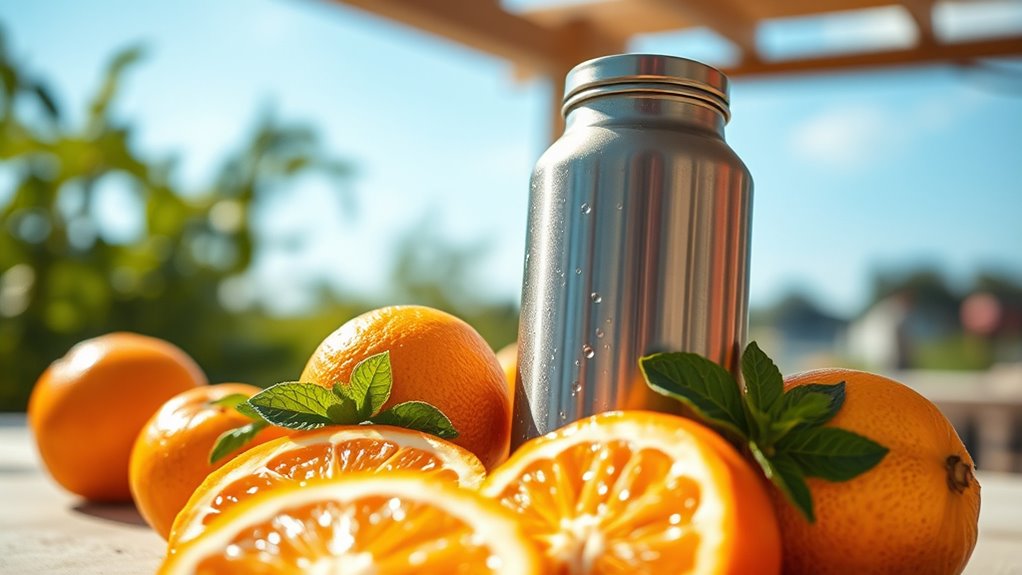
After your shift, focus on replenishing electrolytes by drinking sports drinks or electrolyte solutions, not just water. Check your hydration status by observing urine color and listen to your body’s signals to avoid under- or overhydration. Dehydration impairs cognitive and physical abilities, so proper rehydration is essential for maintaining safety and productivity. Maintaining proper hydration also involves understanding electrolyte balance, which is crucial for nerve function and muscle performance. Prioritize rest and recovery to support proper hydration, muscle relaxation, and overall renewal for your next shift.
Prioritize Electrolyte Intake
Prioritizing electrolyte intake is essential for effective post-shift rehydration and recovery, especially after strenuous work or exposure to hot conditions. Sweat loss depletes key electrolytes like sodium and potassium, which are crucial for fluid balance, muscle function, and nerve signaling. Consuming drinks that contain both glucose and sodium helps accelerate water absorption through the sodium-glucose cotransport mechanism, speeding up recovery. Electrolytes such as magnesium and chloride also support muscle relaxation and nerve health, preventing cramps and fatigue. To optimize recovery, choose hypotonic or isotonic drinks that mimic body fluids, maximizing plasma volume retention. Be mindful not to overconsume electrolytes, as your kidneys regulate excess levels. Proper electrolyte replenishment restores balance, reduces soreness, and prepares you for the next day’s demands. Additionally, understanding the regulation of electrolyte levels can help prevent imbalances that might lead to health issues.
Assess Hydration Status
Evaluating your hydration status after a shift is essential to determine how well you’ve recovered and what further steps are needed. Start by checking your body weight before and after work; a loss of more than 1-2% indicates significant dehydration. Use urine color charts or portable devices to assess hydration visually—darker urine signals dehydration, while lighter suggests better hydration. If available, measure urine specific gravity or osmolality for more precise data. Also, note your thirst levels and urination frequency; persistent thirst and infrequent urination point to ongoing dehydration. Combining these markers helps you gauge your recovery progress. Remember, rehydration should be tailored to individual needs, environmental conditions, and work intensity to restore ideal hydration effectively. Incorporating hydration strategies from Lifestyle recommendations can further optimize your recovery process.
Incorporate Rest and Recovery
Implementing effective rest and recovery strategies immediately following your shift is essential for rehydration and heat stress reduction. Proper recovery helps restore fluid and electrolyte balance, lowers core temperature, and prepares you for future work. To optimize recovery, focus on these key actions:
- Consume electrolyte-rich drinks, like sports beverages with less than 8% carbs, to replenish lost minerals.
- Rest in cool or shaded areas, such as air-conditioned rooms or shaded outdoor spots with fans or misting devices.
- Eat hydrating, nutrient-rich foods like fruits and vegetables to support fluid and electrolyte replenishment.
- Follow a scheduled hydration plan, drinking every 15-20 minutes, and use reminders or take-home hydration tools to stay proactive.
- Proper recovery also involves allowing your body adequate time to cool down naturally, reducing the risk of heat-related illnesses.
- Additionally, understanding the importance of financial settlement time limits can help manage post-shift fatigue by reducing stress related to ongoing negotiations or obligations, ensuring you focus fully on recovery.
Prioritizing rest, hydration, and nutrition guarantees you recover fully, maintain safety, and improve performance for subsequent shifts.
Frequently Asked Questions
How Can I Tell if I’m Properly Hydrated During My Shift?
You can tell you’re properly hydrated during your shift if your urine is pale yellow or clear, and you’re not feeling thirsty, dry mouth, or dizzy. Keep an eye on how often you urinate; regular, light-colored urine indicates good hydration. Also, monitor your energy levels and watch for headaches or fatigue. Drinking water regularly, about every 15-20 minutes, helps maintain hydration and prevent dehydration symptoms.
What Are the Best Electrolyte Drinks for Heat Safety?
You should choose electrolyte drinks with at least 400–500 mg of sodium per serving, low sugar, and added minerals like potassium, magnesium, and calcium. Opt for products with easy dissolution and a pleasant taste to encourage regular sipping. Look for third-party certifications for quality. For intense or long work in high heat, select formulas with higher sodium content, and avoid high-sugar or caffeinated drinks that can worsen dehydration.
How Do Cooling Vests Compare to Other Cooling Methods?
Cooling vests are portable and provide continuous, targeted cooling during activity, unlike cold water immersion or ice packs that need specific setups. They outperform fans in dry conditions but are less effective in humidity. Vests help conserve sweat and improve thermal comfort, which can boost performance. However, their effectiveness varies with technology, duration, and environment, so choose the method best suited to your activity and conditions.
What Are Early Signs of Heat Exhaustion or Heat Stroke?
Did you know heat exhaustion affects over 3 million people annually? Early signs include heavy sweating, pale clammy skin, fatigue, dizziness, and rapid heartbeat. You might feel nauseous, get a pounding headache, or experience muscle cramps. Stay alert to confusion or disorientation, which signals heat stroke. If you notice these, move to a cooler place, hydrate, and cool your skin. Seek emergency help immediately if symptoms worsen or worsen rapidly.
How Can Employers Encourage Consistent Hydration Among Workers?
You can encourage consistent hydration by making water accessible and visible, placing coolers in busy areas and providing branded bottles as reminders. Use technology like smart bottles and apps to track intake and send reminders. Educate workers on hydration benefits through posters and training, and foster a culture that prioritizes hydration. Organize challenges and recognize those who meet hydration goals, reinforcing the importance of staying well-hydrated throughout the day.
Conclusion
Staying hydrated and managing heat isn’t just about comfort—it’s about safety and staying productive. You might think it’s enough to drink water occasionally, but consistent hydration and cooling techniques are key. Even on busy days, taking moments to rehydrate and recognize heat signs can prevent serious health issues. Remember, caring for yourself guarantees you can perform your best and keep everyone safe. Don’t overlook hydration—your well-being depends on it.