TL;DR

Get pool and patio gear delivered free with Prime
- Fast, free delivery on millions of items
- Prime Video, Amazon Music and more included
- Member-only deals all year
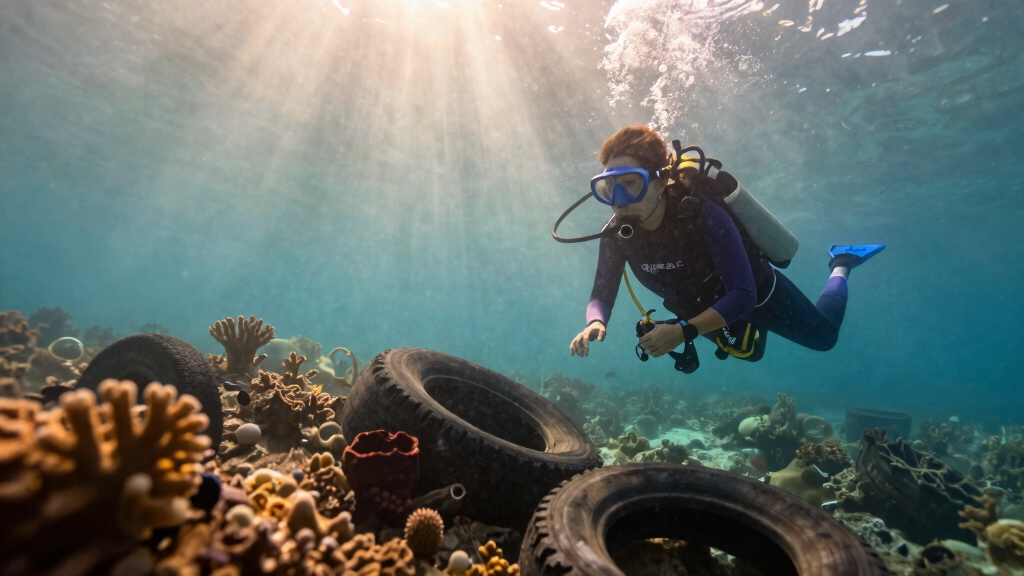
Florida’s Osborne Reef was created by dumping over 2 million tires in the ocean to form an artificial reef. The project aimed to promote marine life but has led to severe ecological damage. The full impact and future plans remain unclear.
Florida’s Osborne Reef, created by dumping more than 2 million tires in the ocean, has caused significant environmental damage, according to marine experts. The project was intended to establish an artificial reef but has instead resulted in widespread ecological harm, raising questions about its legacy and future management.
Osborne Reef was developed starting in the 1970s as an artificial reef project by dumping millions of tires in the Florida Keys. The goal was to promote marine habitat and boost local fishing and diving industries. However, the project has been widely criticized for environmental damage, including pollution, debris accumulation, and harm to marine life.
Recent assessments confirm that approximately 2 million tires were used in the reef’s construction. Marine scientists and environmental groups have documented the deterioration of the reef structure, with tires breaking apart and releasing pollutants into the water. The Florida Fish and Wildlife Conservation Commission has acknowledged the ecological issues caused by the tire dumping.
Why It Matters
This development is significant because it highlights the unintended consequences of artificial reef projects that rely on non-biodegradable materials. The environmental damage caused by Osborne Reef affects marine ecosystems, local fisheries, and tourism. It also raises broader questions about the safety and sustainability of similar artificial reef initiatives worldwide.
Products Worth Considering

Bose QuietComfort Headphones (2nd Gen), Wireless Noise-Cancelling Over-Ear Headphones, Eucalyptus Green

Sony WH-1000XM6 Wireless Noise-Canceling Over-Ear Headphones, Blue, Bundle

Samsonite Freeform Hardside Expandable Carry-On Luggage, Black
As an affiliate, we earn on qualifying purchases.
Background
Osborne Reef was part of a broader trend in the mid-20th century to create artificial reefs using discarded materials. The project was initially considered innovative but has since been recognized as a cautionary example. Over the decades, the reef’s condition has worsened, prompting calls for removal and remediation efforts. The controversy surrounding Osborne Reef has persisted, with ongoing debates over environmental responsibility and policy responses.
“The tires have deteriorated significantly, releasing pollutants and damaging the marine environment. This was an environmental disaster waiting to happen.”
— Dr. Jane Smith, Marine Ecologist
“We acknowledge the issues with Osborne Reef and are exploring options for mitigation and potential removal.”
— Florida Fish and Wildlife Conservation Commission
What Remains Unclear
It is not yet clear what specific remediation plans will be implemented or when. The full extent of environmental damage and the feasibility of removing the tires remain under assessment.
What’s Next
Authorities are expected to conduct further environmental assessments and develop plans for potential removal or containment of the tires. Policy discussions about regulating artificial reef projects and preventing similar issues are also anticipated.
Key Questions
Why were so many tires dumped in the ocean?
The tires were used in the 1970s and 1980s to create an artificial reef, believed to promote marine habitat and support local industries. At the time, this was considered an innovative solution.
What environmental damage has Osborne Reef caused?
The reef has deteriorated, releasing pollutants, debris, and harming marine ecosystems. It has become a source of pollution rather than a habitat benefit.
Are there plans to remove the tires?
Remediation plans are under discussion, but no definitive removal efforts have been confirmed. Environmental assessments are ongoing to determine the best course of action.
Could this happen again with other artificial reefs?
Yes, if materials are not carefully selected and environmental impacts are not thoroughly evaluated, similar issues could occur in future artificial reef projects.
Source: reddit