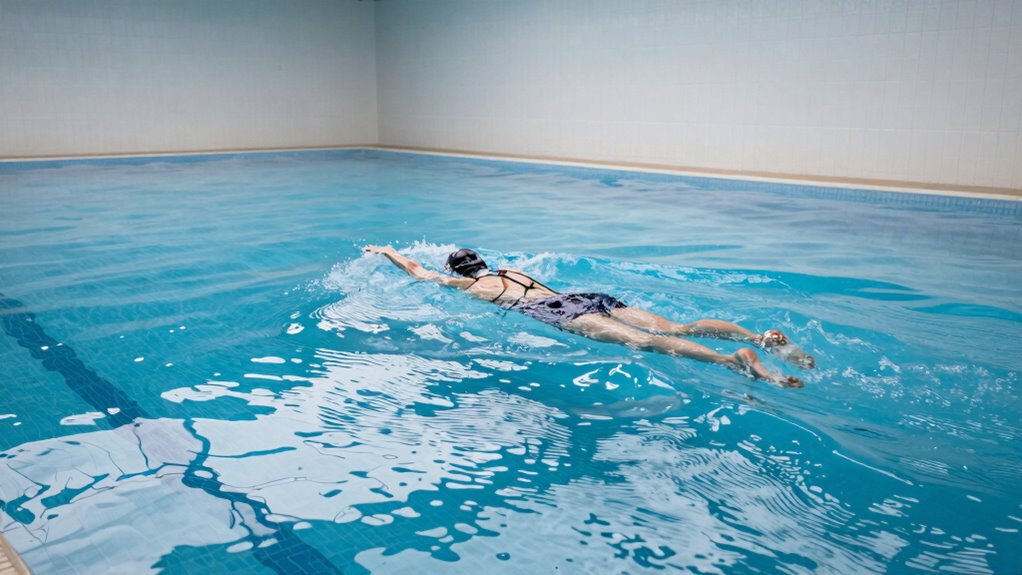

Swimming feels different from other cardio because it combines full-body resistance with controlled breathing and buoyant support. You work muscles constantly against water’s resistance, making every movement more intense. The water’s support reduces joint impact, allowing longer, safer workouts. Plus, the calming immersion helps you relax and stay focused. This unique mix of effort, support, and mental calmness sets swimming apart. Keep exploring to discover even more reasons why it’s such a special workout.

Get pool and patio gear delivered free with Prime
- Fast, free delivery on millions of items
- Prime Video, Amazon Music and more included
- Member-only deals all year
Key Takeaways
- Water’s resistance provides constant, full-body effort, making swimming feel more engaged than air-based cardio.
- The buoyancy supports joints and alters movement, creating a different sensory and physical experience.
- Rhythmic breathing in swimming synchronizes with strokes, adding a meditative and controlled element absent in other cardio.
- Water’s therapeutic properties reduce impact stress, making swimming feel smoother and less jarring.
- Submersion creates a calming environment that enhances mental relaxation alongside physical exercise.
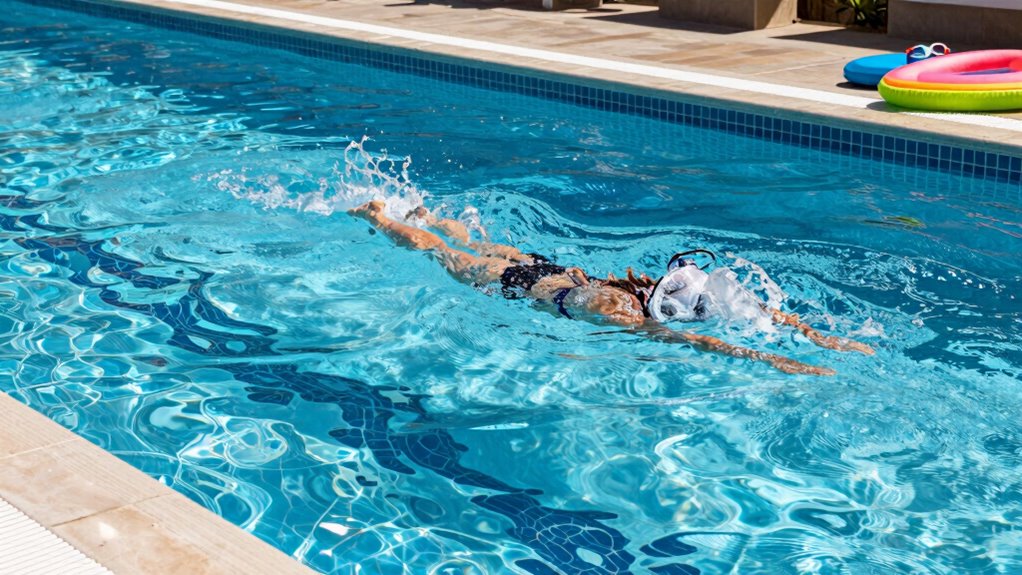
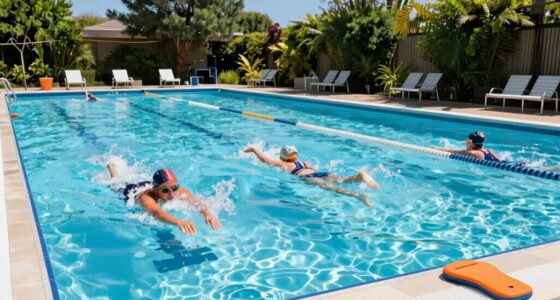
Swimming feels different from other forms of cardio because it engages your entire body in a way that running or cycling simply can’t match. When you’re in the water, every movement you make encounters water resistance. Unlike air, water provides a much greater force against your limbs, forcing your muscles to work harder with each stroke. This resistance isn’t just a challenge; it’s a key reason why swimming develops strength and endurance differently. You can’t cheat or coast through your workout—your muscles are constantly fighting against the water’s push, making every push and pull more effective.
Another reason swimming feels unique is the emphasis on your breathing rhythm. In most cardio activities, your breathing is somewhat autonomous—you breathe in and out, often without thinking much about it. But in swimming, your breathing pattern becomes a deliberate, integral part of your technique. You learn to synchronize your breath with your strokes, which demands a different kind of focus and control. This rhythmic breathing helps you relax under water, improves your lung capacity, and enhances your overall aerobic efficiency. As you develop a steady breathing rhythm, you notice that your stamina increases, and your ability to sustain effort without feeling winded improves more quickly than in other cardio workouts.
The water environment also offers a low-impact setting that’s gentle on your joints. Unlike running or cycling, where repetitive impact can lead to strain or injury, swimming supports your body weight and reduces stress on your knees, hips, and ankles. This allows you to push yourself harder without fear of overloading your joints, making it easier to maintain consistent training over time. Additionally, incorporating proper technique enhances your efficiency and prevents injuries, ensuring you can enjoy long-term benefits from your workouts. Moreover, the buoyancy of water helps maintain proper body alignment, further reducing the risk of strain. This unique combination of resistance and support creates a balanced workout that can be tailored to all fitness levels. Furthermore, the water’s therapeutic properties can aid in recovery and reduce muscle soreness after intense sessions.
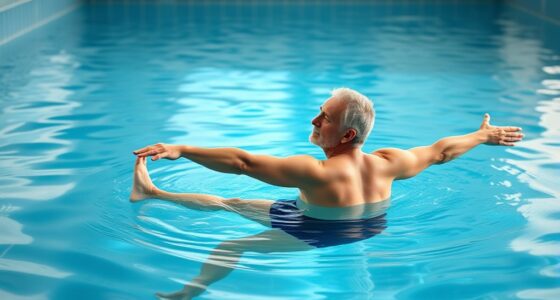
Furthermore, the sensory experience of being submerged influences how you perceive effort. The buoyancy and immersion create a calming effect, helping you stay focused and relaxed. This mental aspect can make your workout feel less laborious and more meditative. You’re not just burning calories; you’re also engaging in a mindful activity that promotes both physical and mental well-being.
swimming resistance training equipment
As an affiliate, we earn on qualifying purchases.
As an affiliate, we earn on qualifying purchases.
Frequently Asked Questions
How Does Water Resistance Impact Swimming Workout Intensity?
Water resistance considerably boosts your swimming workout intensity by increasing the effort needed to move through the water. Water pressure creates constant resistance, making your muscles work harder during resistance training. This resistance not only enhances muscle strength but also improves cardiovascular fitness. As you push against the water, you engage more muscle groups, leading to a more effective and low-impact workout compared to other cardio exercises.
Why Do Swimmers Experience Less Joint Stress During Exercise?
You experience less joint stress while swimming because water’s buoyancy supports your body, reducing impact. Water temperature also helps by keeping your muscles warm and flexible, preventing stiffness. Additionally, proper swimming technique ensures smooth, efficient movements, minimizing strain on your joints. All these factors work together, making swimming a low-impact, joint-friendly exercise that’s gentle yet effective, especially if you pay attention to maintaining good form and suitable water temperature.
How Does Breathing Differ in Swimming Compared to Running?
In swimming, your breathing rhythm is more controlled and synchronized with your strokes, helping you maintain oxygen efficiency even during intense activity. Unlike running, where you breathe rhythmically but often irregularly, swimming requires deliberate breath timing, which enhances oxygen intake and minimizes fatigue. This steady breathing pattern helps you stay relaxed, conserve energy, and improves overall lung capacity, making your workout more effective without overexerting your respiratory system.
What Role Does Buoyancy Play in Swimming Fitness?
Buoyancy acts like a gentle hand supporting you, reducing impact and making your workout feel weightless. In a pool environment, water temperature influences this effect—warmer water relaxes muscles, while cooler water invigorates. This support allows you to move freely, engaging more muscles with less joint strain. As you swim, buoyancy transforms your workout into a dance with the water, making fitness feel effortless yet effective.
Why Do Swimmers Often Feel More Relaxed Post-Workout?
You often feel more relaxed after swimming because the exercise enhances your mind-body connection, helping you let go of stress. The soothing sensation of water reduces muscle tension and promotes mental clarity, making it easier to unwind. Additionally, rhythmic breathing and the peaceful environment contribute to a calming effect, leaving you with a sense of tranquility and mental refreshment that’s hard to find with other forms of cardio.
As an affiliate, we earn on qualifying purchases.
Conclusion
So, when you immerse yourself in swimming, you’re not just moving your body—you’re embracing an experience that’s both a challenge and a gift. Unlike land-based cardio, it offers a gentle yet powerful reminder that sometimes, the most profound change comes from going beneath the surface. It’s a dance of breath and water, where every stroke whispers, “This is different,” inviting you to embrace the unique rhythm only swimming can offer.
swimming kickboard for beginners
As an affiliate, we earn on qualifying purchases.
As an affiliate, we earn on qualifying purchases.
As an affiliate, we earn on qualifying purchases.
Halloween Picks
halloween
As an affiliate, we earn on qualifying purchases.