
To prevent swimmer’s ear at parks and pools, you should focus on maintaining water quality by ensuring proper chlorination and filtration. Always dry your ears thoroughly after swimming, use earplugs or swim caps, and avoid inserting objects into your ears. Educate yourself on safe habits like using medicated ear drops and practicing good ear hygiene. Following these tips can protect you from infections—if you’re enthusiastic to learn more, you’ll find helpful tips ahead.
Key Takeaways
- Maintain proper water disinfection by regularly testing and adjusting chlorine and pH levels in pools and water features.
- Ensure effective filtration systems are in place to remove debris and reduce bacteria growth.
- Promote the use of earplugs or swim caps to prevent water from entering the ears during swimming activities.
- Educate visitors on drying ears thoroughly after water exposure using gentle methods and ear drops if necessary.
- Implement safety measures such as fencing, slip-resistant surfaces, and accessible first aid stations to support overall water safety.

Swimming Ear Plugs for Adults,3 Pairs Waterproof Reusable Silicone Swim Earplugs for Swimming Surfing Snorkeling Showering and Water Pool,Beach,Ocean (Adults & Teens 14+)
【Comfortable】Made of super soft silicon, it is comfortable and easy to wear. This lightweight silicone is contoured to…
As an affiliate, we earn on qualifying purchases.
As an affiliate, we earn on qualifying purchases.
Understanding Swimmer’s Ear and Its Impact on Community Health
Have you ever wondered how a simple water activity can affect your community’s health? Swimmer’s ear, or otitis externa, is an infection of the outer ear caused by bacteria or fungi thriving in moist environments. It’s not contagious, but multiple people exposed to the same water sources can develop it. Most common in children and young adults during summer, it often results from swimming in pools, lakes, or rivers, or even showering. The infection causes ear pain, redness, swelling, and sometimes discharge with a foul smell. In severe cases, fever and temporary hearing loss can occur. Outbreaks can impact community health by causing missed days at school or work and straining local healthcare resources. Educating the public on water safety helps prevent these infections. Infection rates can increase when proper ear drying techniques are not followed after water exposure, especially if individuals neglect to thoroughly dry their ears after swimming or bathing.

Debrox Swimmer’s Ear Drops with Isopropyl Alcohol, Ear Drying Drops for Adults and Kids, 1 Fl Oz
#1 Swimmer’s Ear Brand*; Debrox Swimmer’s Ear Drops dries water-clogged ears after water activities *Source: IRI Circana, 2024
As an affiliate, we earn on qualifying purchases.
As an affiliate, we earn on qualifying purchases.
Recognizing Risk Factors for Swimmer’s Ear in Recreational Settings
Recreational settings such as pools, lakes, and beaches present various risk factors that can increase your chances of developing swimmer’s ear. Water trapped in your ear canal creates a moist environment that encourages bacterial and fungal growth, especially if you don’t dry your ears thoroughly afterward. Prolonged immersion, particularly in lakes or poorly maintained pools, raises this risk. High humidity and sweating inside your ears also contribute to moisture retention. Using earplugs, hearing aids, or swimming caps can trap water, increasing infection chances. Mechanical injuries from scratching, inserting foreign objects, or cleaning your ears vigorously can break the skin’s protective barrier, making infections more likely. Pre-existing skin conditions, narrow ear canals, and exposure to contaminated water further heighten your vulnerability in these settings. Proper drying of the ears after swimming or bathing is essential to remove residual moisture and reduce infection risk. Ensuring good ventilation and airflow in the ear canal can also help prevent moisture buildup and bacterial growth.

Speedo Unisex-Adult Swim Cap Silicone
Protect your hair from chlorine with this durable swim cap made from pliable silicone and designed to fit…
As an affiliate, we earn on qualifying purchases.
As an affiliate, we earn on qualifying purchases.
Best Practices for Water Safety and Ear Protection at Pools and Parks
To guarantee water safety and protect your ears at pools and parks, it’s crucial to follow best practices that minimize risks. Regular water quality testing ensures proper disinfection and pH balance, reducing harmful bacteria that can cause infections. Maintain chlorine or bromine levels at recommended levels and keep filtration systems clean to prevent stagnant water. Proper water circulation helps limit bacterial buildup. Physical safety barriers, like sturdy fencing and secure gates, prevent unsupervised access, especially for children. Ensure walkways are slip-resistant and free of obstacles, and conduct routine inspections to address hazards. Emergency preparedness is vital—place accessible first aid stations and train staff in CPR. Enforce rules requiring life jackets for weak swimmers and prohibit alcohol, promoting a safe environment for everyone. Routine staff training on water safety protocols is essential to ensure all personnel are prepared to handle emergencies effectively. Additionally, utilizing sound design techniques such as clear auditory signals or alarms can improve communication during emergencies, enhancing overall safety.
Debrox Swimmer’s Ear Drops with Isopropyl Alcohol, Ear Drying Drops for Adults and Kids, 1 Fl Oz
#1 Swimmer’s Ear Brand*; Debrox Swimmer’s Ear Drops dries water-clogged ears after water activities *Source: IRI Circana, 2024
As an affiliate, we earn on qualifying purchases.
As an affiliate, we earn on qualifying purchases.
Effective Use of Preventive Ear Drops and Personal Habits
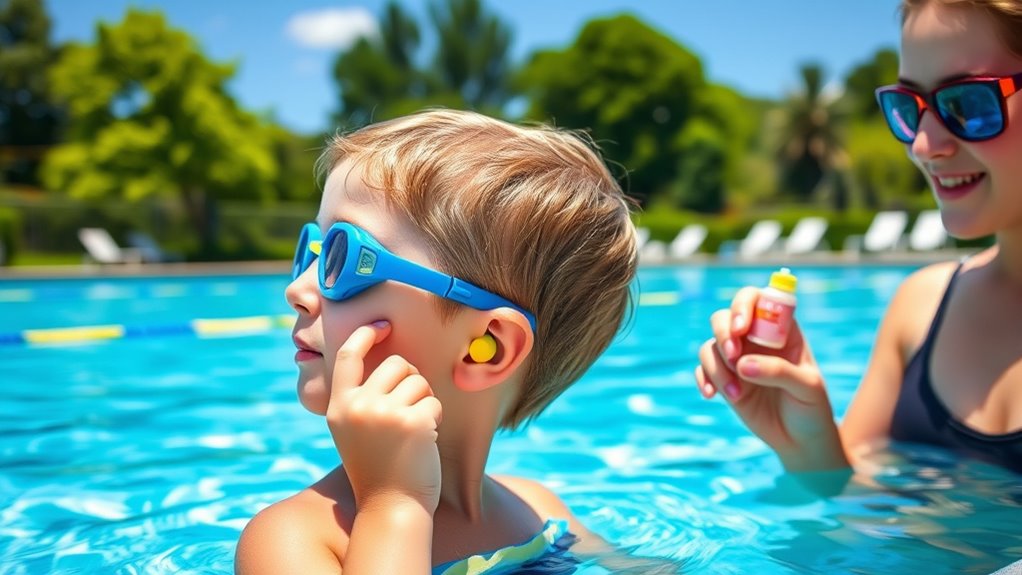
Using preventive ear drops correctly and adopting good personal habits can considerably reduce the risk of swimmer’s ear. After swimming, put a few drops in each ear to help dry the canal and restore its natural acidity, which inhibits bacteria and fungi. Follow the directions, applying drops several times a day during high-risk periods. Always dry your ears gently first, tilting your head to drain water, or use a low-heat hairdryer from a safe distance. Wear well-fitting earplugs or swim caps to minimize water entry. Avoid inserting objects into your ears, as this can damage the skin and increase infection risk. Limit swimming when you have an ear infection or are under treatment. Proper application of prescription or OTC ear drops can enhance their effectiveness in preventing swimmer’s ear. Consistent use of preventive drops paired with good habits markedly lowers swimmer’s ear chances, especially for children and frequent swimmers. Additionally, maintaining ear hygiene and inspecting your ears regularly can help identify early signs of irritation or infection before they worsen.
Ensuring Water Quality and Hygiene in Public Swimming Areas
Keeping the water clean starts with regular testing of chlorine levels, pH, and other quality parameters to guarantee safety and hygiene. You also need to maintain proper chlorination and filtration systems to effectively remove contaminants. When these standards are consistently met, you reduce the risk of infections and promote healthier swimming environments. Ensuring water quality is essential for preventing the spread of waterborne illnesses that can affect swimmers of all ages. Additionally, implementing data-driven strategies for water testing can optimize maintenance schedules and improve overall water safety.
Regular Water Testing
Regular water testing is essential for maintaining safe and hygienic swimming environments in public pools. Proper testing ensures water parameters stay within ideal ranges, preventing health risks and equipment damage. Here are key points to remember:
- Test frequently—at least twice daily during pool operation—to catch fluctuations early. Frequent testing helps detect issues promptly, reducing the risk of swimmer exposure to unsafe conditions. Maintaining proper water chemistry also helps prevent the growth of harmful bacteria and algae.
- Use reliable methods like digital photometers or colorimetric titration for accurate results, and keep records of each test.
- Follow regulations by adhering to local standards for chlorine, pH, alkalinity, and other parameters, and regularly calibrate testing devices. Consistent calibration ensures the accuracy of test results, which is crucial for water safety.
Chlorination Maintenance Standards
Maintaining proper chlorination levels is essential for ensuring water safety and hygiene in public swimming areas. The CDC recommends keeping free chlorine between 1-3 ppm, but some regions, like Georgia, raised the minimum to 3-5 ppm for indoor pools after outbreaks. Florida allows 1-10 ppm, with indoor pools capped at 5 ppm. Saskatchewan requires at least 2.0 ppm, and Ontario mandates a minimum of 0.5 ppm, or 1.0 ppm with cyanuric acid. Proper pH levels—ideally between 7.2-7.8—maximize chlorine’s effectiveness and comfort. Additionally, combined chlorine (chloramines) should stay below 0.4 ppm to prevent irritation and odors. Regular testing and adherence to jurisdictional standards are crucial to maintain water quality, reduce health risks, and ensure a safe swimming environment. Vetted – Security Zone Info
Effective Filtration Systems
Choosing the right filtration system is essential for ensuring water quality and hygiene in public swimming pools. Proper filtration removes dirt, debris, and bacteria, reducing the risk of swimmer’s ear and other infections. Here are three effective options:
- Sand filters: Handle large volumes, trap bigger particles (~20 microns), and are low-maintenance with periodic backwashing.
- Cartridge filters: Capture smaller particles (10-20 microns), require no backwashing, and are easy to maintain with cartridge replacements every few years.
- Diatomaceous earth (D.E.) filters: Provide the finest filtration (1-5 microns), ensuring superior water clarity but need regular backwashing and D.E powder replenishment.
Combining these systems with proper sanitation helps keep water clean, safe, and free of harmful bacteria, protecting swimmers’ health. Effective filtration systems are crucial for maintaining optimal water quality and preventing infections like swimmer’s ear.
Promoting Awareness and Education for Swimmer’s Ear Prevention
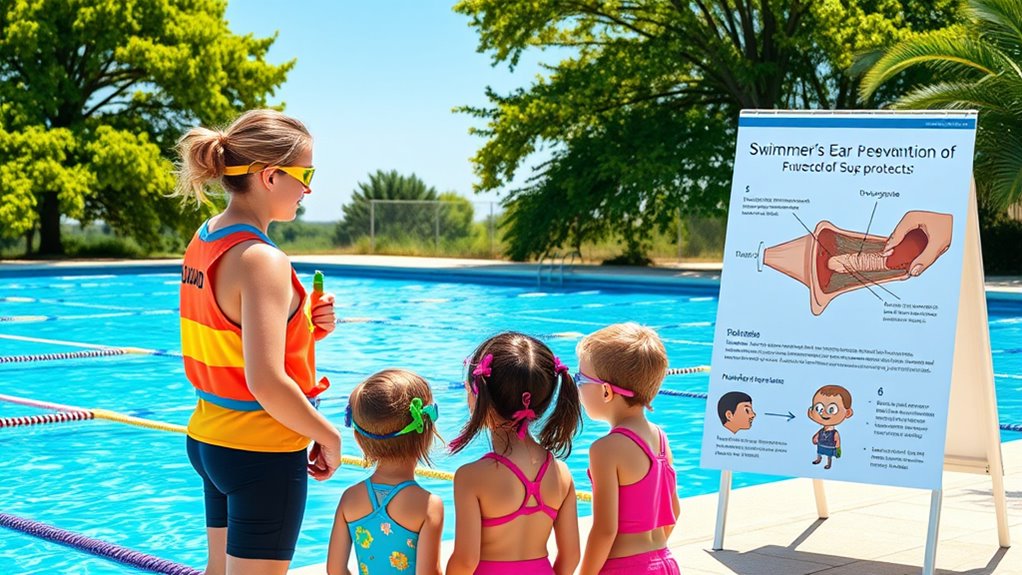
To prevent swimmer’s ear, you need to be aware of the risks and take simple precautions. Educating yourself about proper ear drying techniques and using protective gear like ear plugs can make a big difference. By staying informed and adopting these habits, you can reduce your chances of infection during water activities. Risk factors such as water exposure and micro-organisms in untreated water further highlight the importance of these preventive measures. Additionally, understanding industry trends in water safety can help you stay updated on the latest protective practices.
Educate Swimmers on Risks
Understanding the risks of swimmer’s ear is essential for effective prevention, especially for those who spend a lot of time in water. Educating swimmers and caregivers helps them recognize dangers and take proactive steps. Here are key points to focus on:
- Target high-risk groups, like children aged 5-14, who have narrower ear canals and are exposed to water longer during swimming. This increased exposure makes them more vulnerable to moisture-related infections.
- Warn against water exposure from lakes, ponds, and untreated waters, which often have more bacteria and fungi that can cause infections.
- Discourage inserting objects like cotton swabs or earbuds, as they can injure the ear canal and increase infection risk.
Promote Proper Ear Drying
Proper ear drying is an essential step in preventing swimmer’s ear, especially after water exposure. To do so effectively, tilt your head sideways and gently pull on your earlobe to help water flow out naturally. Use a soft towel to pat the outer ear dry without inserting anything into the canal. For residual moisture, a blow dryer on the lowest, coolest setting from at least one foot away can evaporate trapped water securely. Remember, avoid cotton swabs or other objects that can cause trauma or worsen infections. Think of your drying routine like this:
| Water in Ear | Drying Method | Result |
|---|---|---|
| Trapped water | Tilt & pull | Water flows out |
| Moisture | Pat with towel | Outer ear dries |
| Remaining water | Blow dryer | Evaporates securely |
| Excess wax | Avoid insertions | Protects ear canal |
| Infection risk | Proper drying | Prevents swimmer’s ear |
In addition, maintaining a dry ear environment inhibits bacterial growth, which is crucial for swimmer’s ear prevention bacterial growth.
Additionally, keeping the ear dry minimizes the chances of bacteria or fungi infection development thriving within the moist environment.
Encourage Protective Gear Use
Using protective gear like earplugs and swim molds is one of the most effective ways to prevent swimmer’s ear, especially for frequent swimmers. By raising awareness, you can encourage more people to protect their ears during water activities. Here are some strategies:
- Place educational signs at pool entrances that highlight the benefits of wearing ear protection and the risks of swimmer’s ear.
- Distribute brochures or flyers to inform swimmers about different types of protective gear and proper usage.
- Offer free or discounted earplugs at pools and parks to motivate trial and regular use.
- Emphasizing the importance of keeping ears dry can significantly reduce the risk, as water retention in the ear canal is the primary cause of swimmer’s ear. Water retention increases the likelihood of bacterial or fungal growth, leading to infection. Additionally, understanding ear anatomy can help swimmers better appreciate how moisture affects ear health.
Promoting these measures helps reduce infections and keeps swimmers safe. When everyone understands the importance of protective gear, swimmer’s ear prevention becomes a shared responsibility and a simple, effective step toward healthier water experiences.
Frequently Asked Questions
Are Certain Age Groups More Prone to Swimmer’s Ear?
You’re more prone to swimmer’s ear if you’re a child aged 5–14, especially during summer months when water exposure increases. However, adults over 20 also experience high rates due to recreational swimming and moisture retention, particularly in humid climates. Both age groups should practice ear protection and drying techniques after water activities to prevent infection. Seasonal factors and water activities markedly influence who’s most at risk for swimmer’s ear.
How Do Swimming Pool Disinfectants Affect Ear Health?
Pool disinfectants like chlorine and chloramines impact your ear health by stripping away natural earwax, which protects against infections. They can cause irritation, dryness, and microscopic abrasions, making your ears more vulnerable to bacteria and fungi. Prolonged exposure can disrupt the ear’s pH balance and weaken skin barriers. To protect yourself, dry your ears thoroughly after swimming and consider using protective earplugs to minimize contact with disinfectants.
Can Swimming in Chlorinated Water Cause Long-Term Ear Damage?
Did you know that kids between 5 and 14 are most vulnerable to swimmer’s ear? Swimming in chlorinated water doesn’t typically cause long-term ear damage if you care for your ears properly. Repeated infections from water exposure can lead to complications, but with good hygiene and dry ears after swimming, you can prevent lasting harm. Avoid inserting objects and use ear protection to keep your ears healthy over time.
Are There Specific Signs Indicating the Need for Medical Treatment?
If you notice persistent or severe pain in your outer ear, especially if it worsens with movement or touch, you should see a doctor. Discharge that’s yellow, green, or foul-smelling, along with redness or swelling, also signals infection needing treatment. Additionally, muffled hearing, dizziness, fever, or symptoms lasting over a week require prompt medical attention to prevent complications and make certain of proper healing.
How Often Should Preventive Ear Drops Be Used for High-Risk Individuals?
If you’re highly exposed to water, you should use preventive ear drops 2 to 3 times daily after each swim or water activity. For example, if you swim every day during summer, applying a few drops after each session helps keep your ears dry and prevent infection. Continue this routine throughout the swimming season or as advised by your healthcare provider, ensuring you let the drops stay in for at least five minutes.
Conclusion
By following these simple tips, you can enjoy swimming without worries about swimmer’s ear. Some might think prevention is too much hassle, but taking a few minutes to protect your ears is worth it. Staying aware of water conditions, using ear drops, and practicing good hygiene make a big difference. Don’t let the fear of discomfort stop you—safe swimming keeps everyone healthy and happy. Plunge in confidently, knowing you’re taking care of your ears!