
To keep kids safe from heat at water parks, guarantee they stay hydrated by offering water every 20 minutes and protect them with broad-spectrum, water-resistant sunscreen and UPF clothing. Keep children cool by taking regular shade breaks and watching for signs of heat illness like irritability, heavy sweating, or dizziness. Supervise closely and plan outdoor activities during cooler parts of the day. If you’re curious about more safety tips, there’s plenty to learn for a fun, safe visit.
Key Takeaways
- Ensure children wear protective clothing, hats, and UV-blocking swimwear, and use shade structures during peak sun hours.
- Promote frequent hydration every 20 minutes, offering water-rich snacks and avoiding sugary drinks.
- Monitor children closely for signs of heat exhaustion or heatstroke, such as irritability, dizziness, or heavy sweating.
- Apply broad-spectrum, water-resistant sunscreen 20 minutes before outdoor activity, reapplying every 2 hours.
- Schedule breaks in shaded areas, and encourage rest and cooling down to prevent heat-related illnesses.

Neutrogena Sheer Zinc Oxide Kids Mineral Sunscreen Lotion, Broad Spectrum SPF 50+ with UVA/UVB Protection, Water-Resistant for 80 Minutes, Paraben-, Dye-, Fragrance- & Tear Free, 3 fl. oz
Kids Sunscreen: One 3 fl oz tube of Neutrogena Sheer Zinc Oxide Kids Mineral Sunscreen Lotion with broad…
As an affiliate, we earn on qualifying purchases.
As an affiliate, we earn on qualifying purchases.
Understanding the Risks of Heat Exposure for Children
Children are more vulnerable to heat exposure than adults because their bodies heat up faster and cool down more slowly. This makes them especially at risk during hot days at water parks, where prolonged sun exposure can quickly cause overheating. Infants and young children are even more susceptible because of their higher heart rates and less developed thermoregulation systems. Their smaller body mass to surface area ratio means they can’t dissipate heat as efficiently, raising their chances of heat-related health issues. Additionally, kids lose fluids faster, increasing dehydration risk. Since they depend on adults for hydration, clothing, and safe environments, any lack of awareness or failure to provide proper care can lead to serious health consequences. Recognizing these vulnerabilities helps you keep children safe during hot weather activities. Understanding city dynamics can also help you identify nearby shaded areas and water stations to keep kids cool and comfortable during their visit.

Poekuao Boys UPF 50+ Sun Protection Rash Guard Hoodie Swim Shirt Kids Long Sleeve Fishing Shirts Lightweight Rashguard with Pocket White L
Hooded Design: The stylish hooded design of the boys rash guard provides greater protection for the head, neck…
As an affiliate, we earn on qualifying purchases.
As an affiliate, we earn on qualifying purchases.
Recognizing the Signs of Heat-Related Illnesses
You need to be alert for early signs of heat exhaustion, like heavy sweating, weakness, or dizziness, so you can act quickly. Watch for behavioral changes such as irritability or confusion, which might indicate the condition is worsening. Recognizing these symptoms early helps prevent more serious heat-related illnesses like heat stroke. Prompt action can significantly reduce the risk of progression to a severe state. Being aware of symptom recognition strategies is essential for effective response.
Early Heat Exhaustion Signs
How can you tell if someone is experiencing early signs of heat exhaustion? Look for excessive sweating, pale, cool, and clammy skin. They may feel unusually weak or tired, especially after physical activity in the heat. Dizziness or lightheadedness can occur and might lead to fainting if ignored. A persistent headache that doesn’t respond to usual remedies is another clue. They might also feel nauseous or vomit, indicating worsening exhaustion. In children, skin may appear moist and pale or flushed, with muscle cramps in arms, legs, or abdomen. Their pulse could be rapid or weak, and their breathing might be deep and fast. Behavioral signs include irritability, loss of appetite, confusion, increased thirst, and lethargy. Recognizing these early signs helps prevent more serious heat-related illnesses. Early intervention is crucial to prevent progression to heat stroke or other severe conditions.
Recognizing Heat Stroke
Recognizing heat stroke is essential because it can develop rapidly and become life-threatening if not addressed immediately. Look for a body temperature above 104°F (40°C), with skin that’s hot, flushed, and dry—or sometimes moist. Even if the skin isn’t sweating, heat stroke is still a danger. Watch for severe headache, rapid heartbeat, and quick breathing. Neurological signs are critical: confusion, disorientation, slurred speech, or loss of consciousness signal serious trouble. Seizures, dizziness, and fainting can also occur. Gastrointestinal symptoms like nausea, vomiting, diarrhea, and muscle cramps are common. Children are especially vulnerable to heat-related illnesses due to their smaller body size and developing thermoregulation system. It’s important to understand how body temperature regulation works to better prevent and respond to heat-related conditions. If you notice these signs, act fast—move the child to a cooler place, start cooling methods, and call emergency services immediately. Do not wait—heat stroke is a medical emergency.
Monitoring Behavioral Changes
Monitoring behavioral changes is a pivotal way to spot early signs of heat-related illnesses in children. Watch for irritability or fussiness, especially in younger kids who can’t verbalize discomfort, and look for unusual fatigue or weakness even after minimal activity. Increased thirst, restlessness, or agitation are also warning signs. In older children and teens, confusion or difficulty concentrating may appear. Notice if an infant cries without tears, indicating dehydration. Observe physical cues like pale, clammy skin, excessive sweating, rapid heartbeat, or muscle cramps. Changes in hydration behaviors, such as refusing fluids or dark urine, signal dehydration. Be alert for withdrawal from activities, seeking shade, or mood swings. Recognizing these signs early helps you act quickly to keep your kids safe. Early detection can prevent more serious heat-related conditions, which is why staying vigilant is essential during hot weather. Additionally, understanding heat exhaustion symptoms can help caregivers intervene promptly before conditions worsen.

Sahara Sailor Water Bottle, 32/25/17oz Durable and Leakproof Water Bottles Motivational with Time Marker, Tritan, BPA Free, Wide Mouth with Easy Clean Brush for Gym, Travel, School, Office (1 Bottle)
Stay Hydrated Throughout the Day: staying hydrated is often easier said than done. With the Sahara Sailor clear…
As an affiliate, we earn on qualifying purchases.
As an affiliate, we earn on qualifying purchases.
Hydration Tips for a Safe Water Park Experience
Staying properly hydrated is essential for kids to enjoy a safe and fun day at the water park. Hot, humid environments cause rapid fluid loss through sweat, especially in active children. To prevent dehydration, encourage drinking water every 20 minutes during play. Young kids should take about 10 gulps (half an ounce each), while teens need around 20 gulps (10 ounces). Use reminders to promote consistent hydration, even if your child doesn’t feel thirsty, since thirst is a late warning sign. Offer water-rich snacks like fruit to supplement fluids and avoid sugary or caffeinated drinks. After water park activities, continue hydrating and monitor for dehydration signs such as dry lips, fatigue, or dizziness. Proper hydration helps maintain energy, prevents heat illnesses, and keeps your child feeling their best. Additionally, understanding hydration needs can help you better plan for your child’s water intake during outdoor activities.

Old Bahama Bay Pop Up Beach Tent, Portable Shade Sun Shelter UPF50+ UV Protection for 4 Person Extendable Floor for Fishing Hiking Camping, Waterproof Windproof(Blue)
POP UP DESIGN:Pop-up beach tent that can be set up in seconds without assembly. You can enjoy the…
As an affiliate, we earn on qualifying purchases.
As an affiliate, we earn on qualifying purchases.
Effective Sun Protection Strategies

To protect kids from the sun, make sure you apply water-resistant, broad-spectrum sunscreen 20 minutes before they go outside and reapply every two hours, especially after swimming. Sunscreen application is crucial for effective sun protection. Dress them in UV-protective clothing and hats to add extra coverage, and encourage seeking shade during peak hours. These simple steps can considerably reduce their risk of sunburn and long-term damage. Prolonged sun exposure can also increase the risk of heat-related illnesses, so it’s important to monitor children closely during outdoor activities.
Proper Sunscreen Application
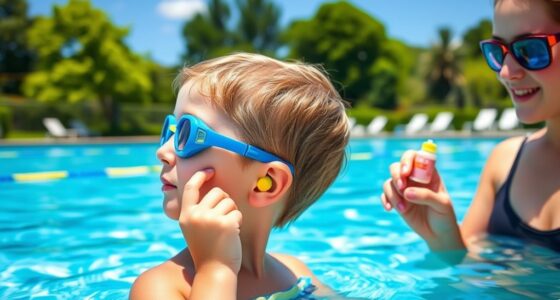
Applying sunscreen properly guarantees kids are protected from harmful UV rays and reduces their risk of sunburn. To confirm effectiveness, apply sunscreen 15 to 30 minutes before exposure and use about 1 ounce per application. Reapply every 2 hours, especially after swimming, sweating, or towel drying. Use the “teaspoon rule” for thorough coverage: 1 teaspoon for face/neck, front and back torso, arms, and 2 teaspoons for each leg. Focus on all exposed areas, including ears, neck, and behind bathing suit straps. For water parks, choose water-resistant broad-spectrum SPF 15–50. Proper application also ensures the sunscreen’s effectiveness and maximizes sun protection.
Protective Clothing Choices
Choosing the right protective clothing is essential for keeping kids safe from harmful UV rays at water parks. UPF-rated swimwear, like full-body suits and hooded one-piece designs, blocks at least 98% of UVA and UVB rays, covering vulnerable areas such as shoulders, neck, and ears. Rash guards made of UPF 50+ fabric offer durability and comfort during active water play, while quick-drying, breathable materials keep kids cool and protected. Long sleeves and full-length leggings considerably reduce exposed skin. Accessories like wide-brimmed UPF hats, neck gaiters, and UV-blocking sunglasses shield the face, ears, neck, and eyes from the sun. Water shoes also protect feet from hot surfaces and incidental UV exposure, ensuring all-encompassing sun safety during outdoor water park adventures. Proper protective clothing can significantly reduce sunburn risk and heat-related issues, making outdoor water activities safer and more enjoyable. Incorporating specialized fabrics designed for UV protection enhances overall safety and comfort.
Seeking Shade Effectively
Strategic placement of shade structures is key to maximizing sun protection at water parks. You want shaded areas in high-traffic spots like queues, seating, dining zones, and near water attractions, so kids can access protection easily. Moving activities or equipment to natural shaded spots, such as under trees, offers quick relief without new structures. Position shade to block peak UV hours, usually midday, when the risk is highest. Guarantee shade covers enough space for everyone, especially in crowded areas. Make shade accessible to all ages, focusing on zones where children play. Use a mix of permanent structures, portable shades, and natural shade. Properly maintained, these solutions keep kids cool, safe, and protected from the sun’s harmful rays. Shade structures provide reliable UV protection, blocking 95% of harmful rays, which is essential for maintaining a safe environment for children. Additionally, incorporating vibrational energy awareness by creating a relaxing environment can enhance overall comfort and safety during outdoor activities.
The Importance of Supervision and Regular Breaks
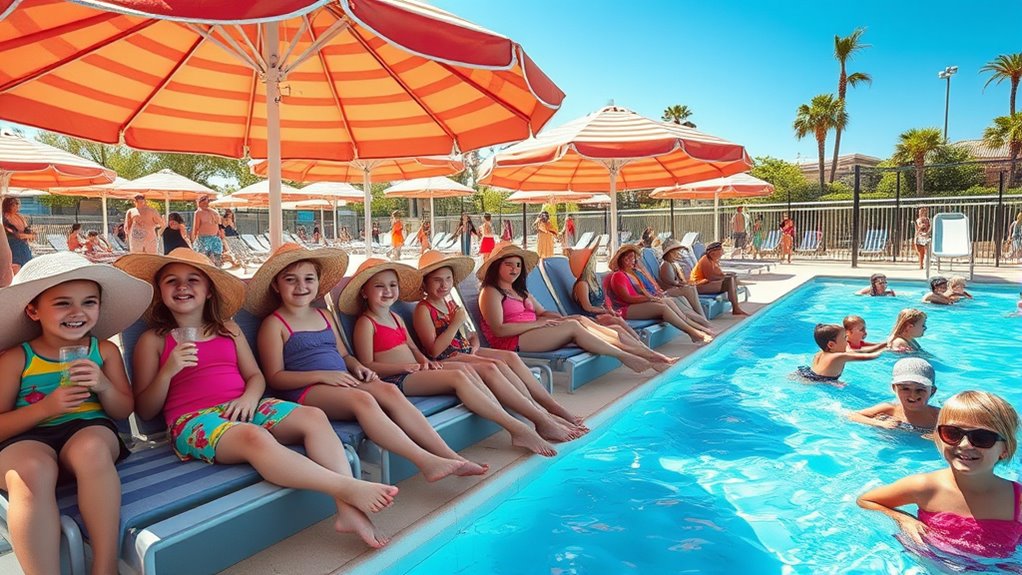
Supervision and regular breaks are vital for keeping kids safe at water parks. Active supervision reduces drowning risks, as children can drown quietly and quickly. Trained lifeguards play a key role, monitoring high-risk areas like wave pools and lazy rivers. However, many waterparks use seasonal staff with minimal safety training, which can increase dangers. It’s important to ensure attentive oversight at all times. Regular breaks also help prevent heat-related illnesses such as heat exhaustion or heatstroke, especially in hot environments reaching 100°F. Breaks allow kids to rest, hydrate, and cool down, reducing fatigue and accident risk. Staff should encourage and monitor scheduled breaks, making safety a top priority. Proper supervision combined with timely breaks keeps children both safe and comfortable during their water park visit. According to recent safety reports, active supervision and scheduled breaks significantly decrease the chances of accidents and heat-related health issues. Additionally, implementing comprehensive safety protocols ensures that safety measures are consistently upheld, further protecting children in these environments.
Creating a Safe Water Park Environment for Kids
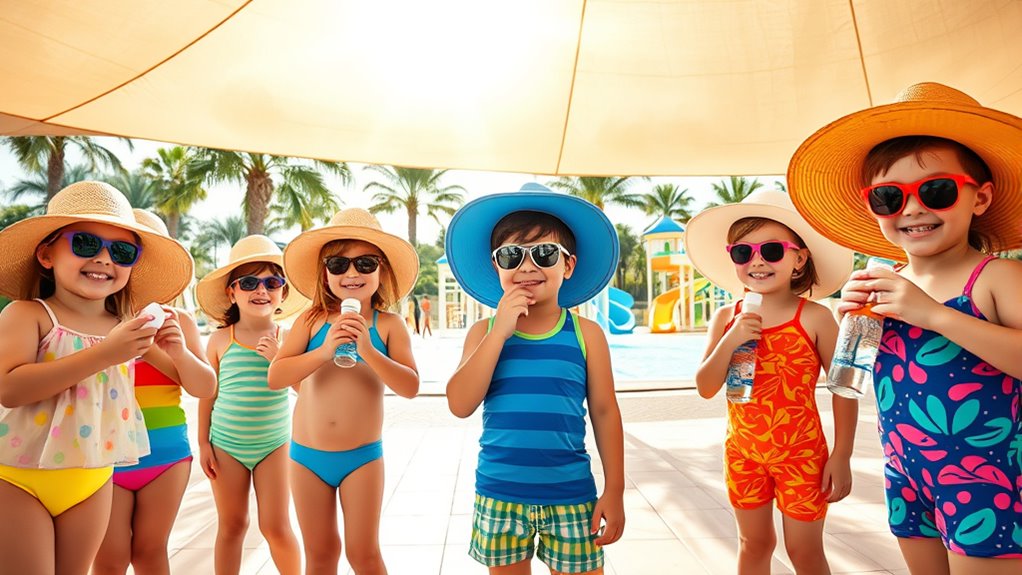
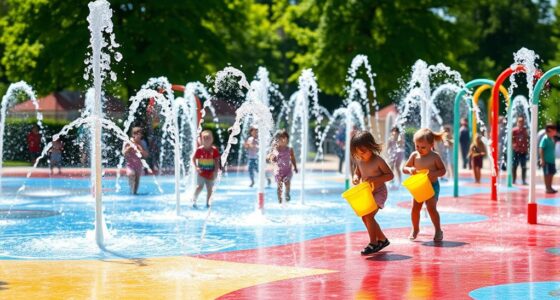
Creating a safe environment in a water park involves thoughtful design and clear communication. You should guarantee the layout clearly separates age groups and swimming abilities, with shallow areas isolated from deeper zones to prevent accidents. Splash pads and interactive features need slip-resistant surfaces to reduce falls. Pathways around attractions should be wide enough for easy access and emergency response. Strategically placed shade structures protect kids from harsh sun exposure. Additionally, prominent signs displaying height, age, and weight restrictions help guide visitors. Multi-language instructions and visible emergency procedures keep everyone informed. Trained staff and certified lifeguards are essential for quick response and safety oversight. Regular equipment inspections, clean facilities, and accessible emergency gear complete the foundation for a safe, enjoyable water park experience for children. Incorporating clear boundaries between zones can further prevent accidents and ensure safety for all visitors.
Preparing Children for Hot Weather Activities
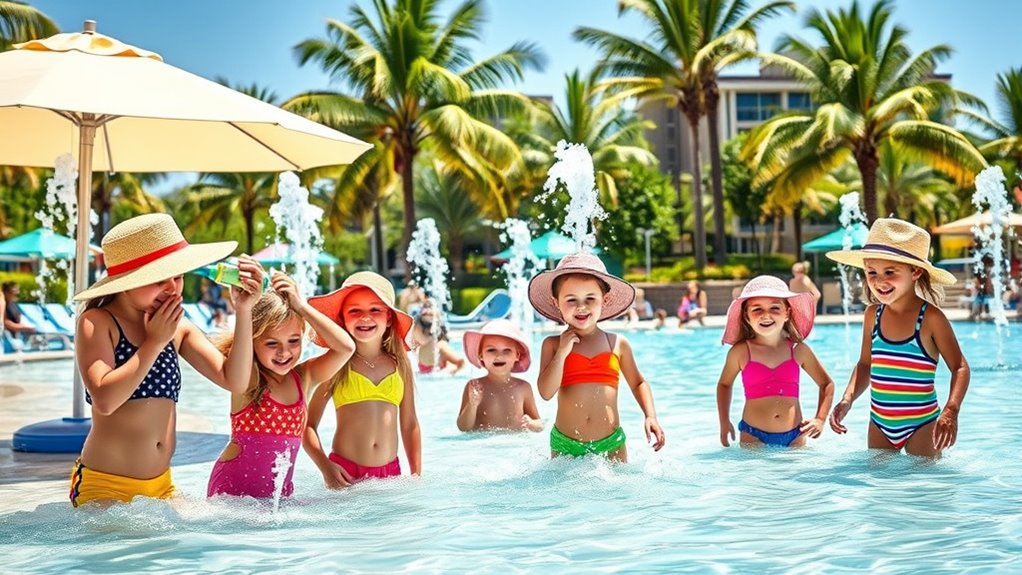
To keep children safe during hot weather activities, it’s essential to focus on proper hydration, gradual acclimatization, and careful scheduling. Make sure kids drink plenty of fluids—cold water or electrolyte solutions—before, during, and after outdoor play. For ages 9-12, aim for 3-8 ounces every 20 minutes; teenagers may need 1-1.5 liters per hour. Schedule activities during cooler times, like early mornings or evenings, and avoid peak heat between 10 AM and 4 PM. Gradually increase outdoor exposure over 7 to 14 days to help children adapt to the heat, starting with short, light sessions. Encourage wearing lightweight, breathable clothing, hats, and sunscreen to minimize heat stress. Educate kids to recognize symptoms of heat illness and report any discomfort immediately. Children take roughly twice as long as adults to acclimatize to heat and need careful monitoring to prevent heat-related illnesses. Additionally, ensuring proper ventilation and shade can significantly reduce heat stress risks during outdoor activities.
Emergency Response: What to Do in Case of Heat Illness

Knowing how to respond quickly and effectively when a child shows signs of heat illness can make all the difference at a water park. Your first priority is to move the child to a cooler, shaded area immediately. Encourage them to sip cool fluids with electrolytes, like sports drinks, and apply cold, wet towels to their skin to help lower their temperature. Watch for worsening symptoms, such as confusion, vomiting, or high fever over 104°F. Call emergency services if symptoms escalate or don’t improve within an hour. Recognizing early signs like muscle cramps and weakness to act fast can prevent more serious conditions. Stop all physical activity and ensure the child rests. Be prepared to provide CPR or emergency cooling if the child’s condition worsens. The body’s temperature can rise rapidly in hot, humid environments, so prompt action is essential to prevent heat stroke. Additionally, understanding the importance of adequate hydration and rest can help prevent heat-related illnesses before they occur.
Frequently Asked Questions
How Can I Tell if My Child Is Dehydrated?
To tell if your child is dehydrated, watch for signs like dry lips, a dry or wrinkled tongue, and sunken eyes. Notice if they seem unusually sleepy, irritable, or cry without tears. Decreased urination, dark-colored urine, and a lack of appetite also indicate dehydration. If they become dizzy, confused, or have a rapid heartbeat, seek medical help immediately. Keep them hydrated and monitor these symptoms closely.
What Clothing Is Best for Sun Protection at Water Parks?
You should choose UPF 50+ clothing for the best sun protection at water parks. Many think sunscreen alone suffices, but UPF apparel provides reliable, continuous coverage without reapplication. Opt for lightweight, breathable fabrics with long sleeves, hoods, and features like thumb loops to guarantee full coverage. Brands like Columbia, REI, and UV Skinz offer durable, quick-drying options that resist chlorine and salt, keeping your skin protected and comfortable all day.
Are There Specific Times to Avoid Outdoor Water Park Visits?
You should avoid outdoor water park visits between 10 a.m. and 4 p.m. when the sun’s rays are strongest, temperatures peak, and heat risks are highest. During these hours, UV radiation can cause sunburn, and the heat can lead to exhaustion or dehydration. Instead, plan to visit early in the morning or late in the afternoon when the weather is cooler, and the risk of heat-related illnesses is lower.
How Often Should Sunscreen Be Reapplied During Water Activities?
Think of your skin as a shield that needs constant reinforcement. During water activities, you should reapply sunscreen every 40 to 80 minutes, especially after swimming, toweling off, or sweating. Even water-resistant formulas aren’t foolproof. To stay protected, reapply immediately after water exposure and often throughout the day, particularly during peak sun hours. This routine keeps your skin safe from harmful UV rays, just like a sturdy shield.
What Should I Do if My Child Shows Signs of Heat Stroke?
If your child shows signs of heat stroke, act immediately. Remove them from the heat and move to a shaded or air-conditioned area. Undress them to help cool down and start rapid cooling with cold water or wet towels. Don’t give fluids unless they’re fully conscious. Call 911 or seek emergency medical help right away, as heat stroke is life-threatening and needs urgent treatment.
Conclusion
Remember, kids are more vulnerable to heat-related illnesses—up to five times more at risk than adults. Staying vigilant, keeping them hydrated, and taking regular breaks can prevent serious health issues. By applying sun protection and supervising closely, you create a safer water park experience. Prioritize their well-being, so everyone can enjoy the fun without the heat risks. Your proactive care makes all the difference in keeping your children safe and healthy.