
During winter weekends, indoor venues see higher crowds, especially Friday and Saturday evenings, leading to premium prices. Weekdays tend to be calmer with fewer visitors and lower costs, making it easier to enjoy attractions without the bustle. Seasonal demand and demographic preferences influence pricing strategies, with weekdays offering discounts and off-peak hours providing quieter experiences. If you want to discover how these differences can help you plan better, you’ll find helpful tips ahead.
Key Takeaways
- Winter weekends see higher indoor crowds, especially Saturday evenings, compared to steadier, lower weekday attendance.
- Pricing during winter weekends is typically higher due to demand-based and peak period adjustments.
- Weekdays usually offer lower prices and fewer crowds, with more consistent visitor levels.
- Weekend visitors tend to be larger groups and leisure travelers, increasing peak demand and premium pricing.
- Off-peak weekday visits often provide discounts, better availability, and quieter indoor environments.
Comparing Indoor Crowd Levels During Winter Weekends and Weekdays

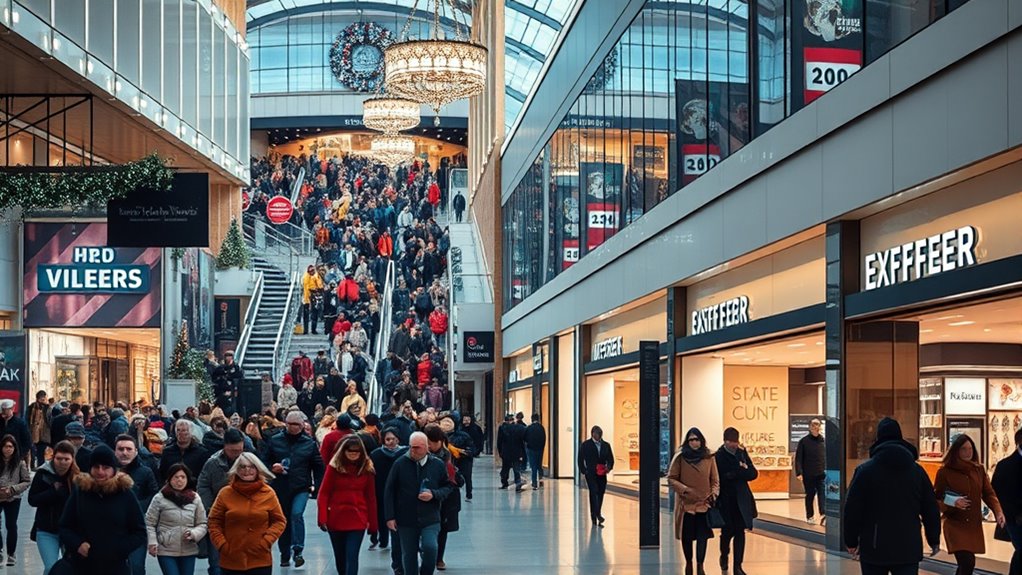
During winter, indoor crowd levels vary markedly between weekends and weekdays, with weekends experiencing higher and more concentrated attendance. On weekends, especially Friday and Saturday evenings, crowds peak, with Saturday 7:00–10:00 PM being the busiest window. Sunday crowds peak earlier and then decline as evening approaches. In contrast, weekday attendance remains lower but more consistent throughout the day, with no single peak hour dominating. Weekend visitors tend to travel farther, often making intentional leisure trips, while weekday visitors are more likely to come from nearby within 10 miles, including local regulars. Overall, weekends draw larger, more social crowds, especially families and groups, leading to higher peak times, whereas weekdays see steadier, smaller crowds mainly composed of locals or occasional visitors. Peak attendance times tend to occur during weekend evenings, especially Saturday, which accounts for a significant portion of weekly visits. Additionally, understanding indoor crowd levels can help optimize visit planning and safety measures.
Seasonal Pricing Strategies and Their Impact on Attendance
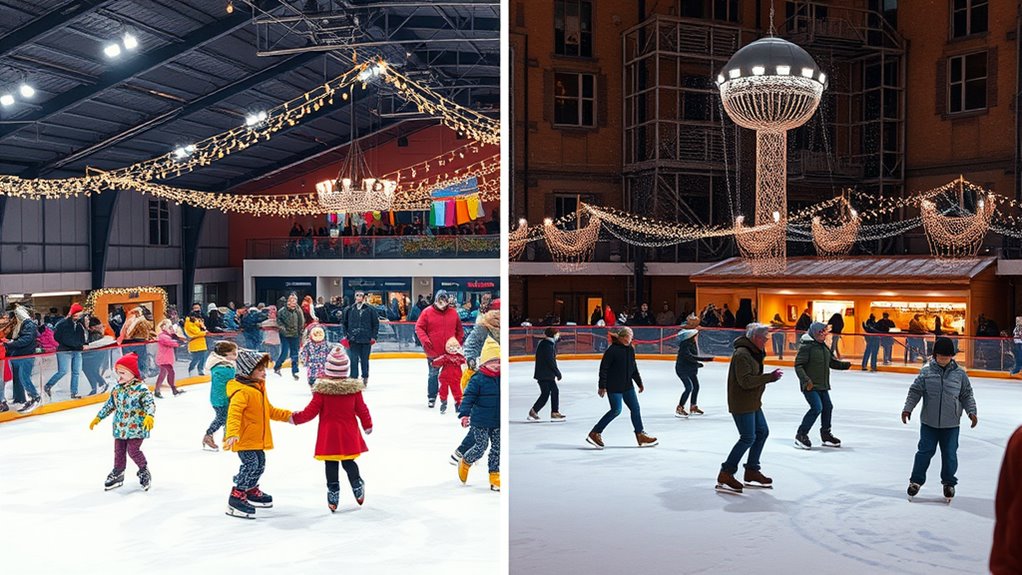
Indoor attractions actively use seasonal pricing strategies to manage attendance and maximize revenue during winter months. Demand-based pricing raises prices during high-demand winter weekends and holidays, encouraging only those willing to pay a premium. Conversely, discounts on weekdays or off-peak times attract visitors during slower periods, helping maintain steady attendance. Time-based pricing fills underutilized hours, like offering discounts for early morning or late afternoon visits. Seasonal adjustments are made regularly, often twice a year, aligning prices with expected demand. Dynamic pricing adjusts in real time based on factors like weather or visitor behavior, boosting revenue but requiring careful communication. Tiered pricing models, combining weekday/weekend and seasonal rates, enable venues to balance capacity and smooth attendance throughout winter. Implementing flexible pricing models allows attractions to quickly respond to unexpected changes in demand, ensuring optimal revenue management. Employing seasonal demand insights can further optimize pricing strategies and attract diverse visitor segments.
How Weather Influences Indoor Activity Patterns in Winter
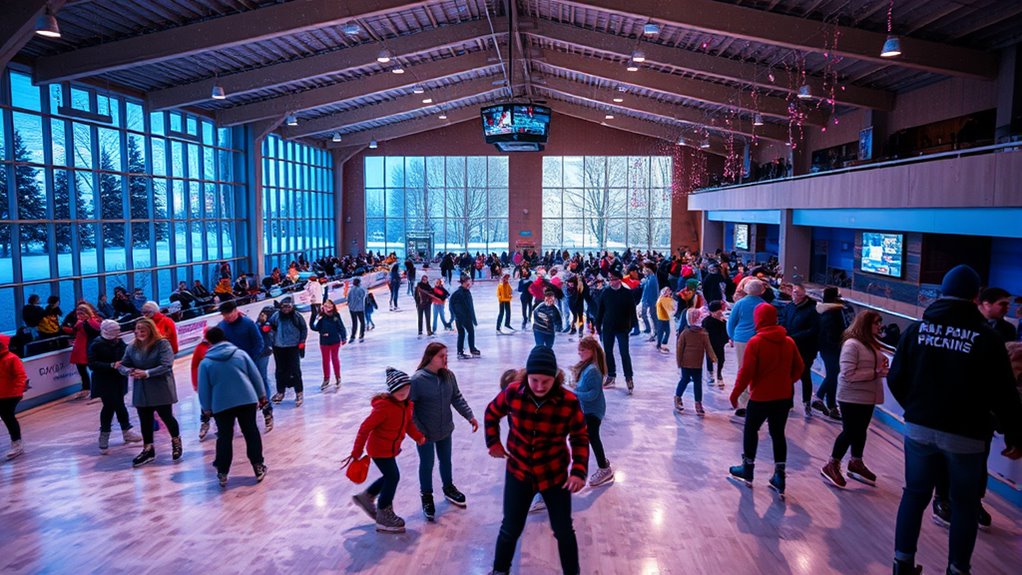
Cold winter weather considerably shapes activity patterns by encouraging people to shift from outdoor to indoor environments. Lower temperatures reduce outdoor physical activity, especially among older adults, who are more likely to stay indoors during colder days. Precipitation like rain, snow, and ice further discourages outdoor exercise, increasing the reliance on indoor facilities. When outdoor conditions worsen, people tend to delay or substitute outdoor activities with indoor options, such as gyms or indoor walking. Older adults and women are particularly inclined to engage in indoor light physical activity during winter. These weather factors create a significant barrier to outdoor exercise, prompting adaptive behaviors like postponing routines or seeking indoor environments to stay active despite the harsh conditions. Additionally, suction power of indoor equipment like vacuum cleaners becomes more relevant as people spend more time cleaning to maintain a healthy indoor environment during the season.
Demographic Factors Shaping Winter Indoor Visits and Spending
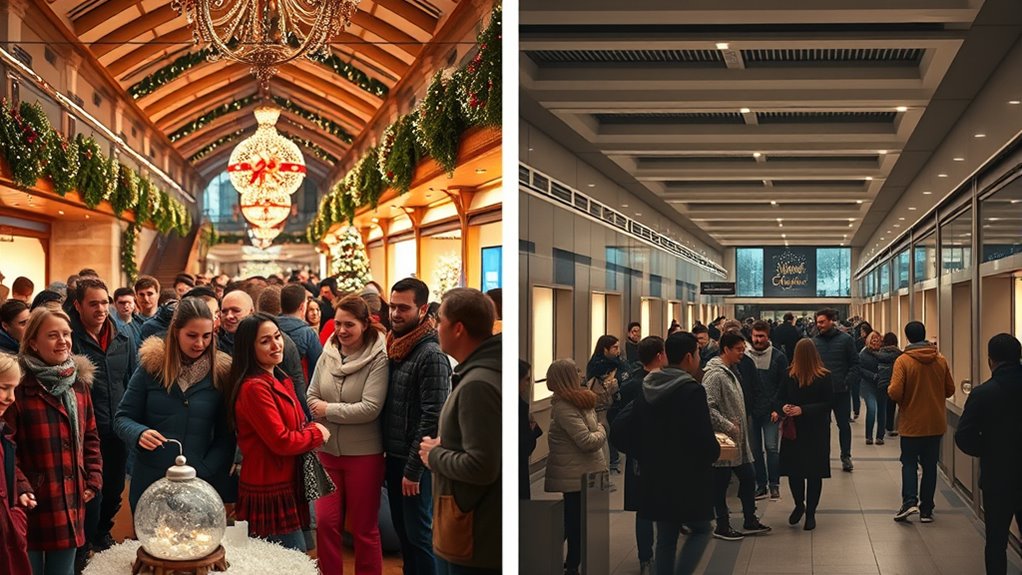
Your indoor winter visit choices are shaped by demographic factors like income, education, and age. Higher-income visitors tend to spend more on upscale experiences, while education influences the types of activities that attract different groups. These demographics also guide how venues set prices and target marketing efforts to different audiences. Research shows that age groups have distinct preferences for winter activities, with younger visitors often seeking adventure sports and older visitors favoring cultural exhibits. Additionally, understanding local demographic profiles can help venues tailor their offerings to better meet the needs of diverse visitor groups.
Income Influences Spending Patterns
Income levels play a significant role in shaping how people spend on entertainment during winter weekends. Your household income influences the types of indoor activities you prefer and how often you attend. Higher-income individuals tend to spend more on pricier venues like theaters or immersive experiences, while lower-income households often choose free or low-cost options such as museums or public events. Higher-income households are also more likely to participate in memberships or subscription services for entertainment. Here’s how income impacts spending: 1. Households earning $50,000–$69,999 spend 76% more on out-of-home entertainment than those earning $30,000–$39,999. 2. Families earning above $70,000 spend nearly four times as much as lower-income households. 3. Consumers earning $200,000+ spend almost 8 times more on entertainment admissions. 4. Regional disparities show that median leisure spending can vary from $328 to over $1,300 annually. Demographic factors such as income significantly influence leisure and indoor activity choices during the winter months.
Education Affects Attraction Choices
Educational background profoundly influences how families select indoor attractions during winter. If you value learning, you’re drawn to places with educational content like science exhibits, historical displays, or STEM activities that foster curiosity and problem-solving. Edutainment centers blending fun and education appeal to families seeking engaging experiences. Well-designed learning environments can spark children’s interests, guiding your choices. Recognizing the importance of space and organization can also help families optimize their visits by planning ahead and managing their time effectively.
Demographics Drive Pricing Strategies
Demographic factors play a significant role in shaping pricing strategies for indoor winter attractions. Your approach must consider different age groups, income levels, and social trends to maximize revenue and attendance. Additionally, understanding the all-inclusive resort options available can help attract families seeking comprehensive experiences. 1. Families with kids under 12, who make up over a third of visitors, often drive demand for bundled packages and family discounts. 2. Teenagers, drawn to VR and e-sports, influence premium pricing for tech-focused experiences. 3. Adults aged 19-35, with high per-capita spending, are targeted through social gaming and event pricing. 4. Older adults with flexible travel budgets prefer tiered pricing models like VIP or express options, boosting revenue. 5. Market data indicates that regional and seasonal variations further influence how attractions set their pricing to match local demand and demographic profiles. Understanding these segments helps tailor offers that appeal to diverse demographics and optimize indoor winter profits.
Managing Operational Costs Amid Fluctuating Winter Crowds
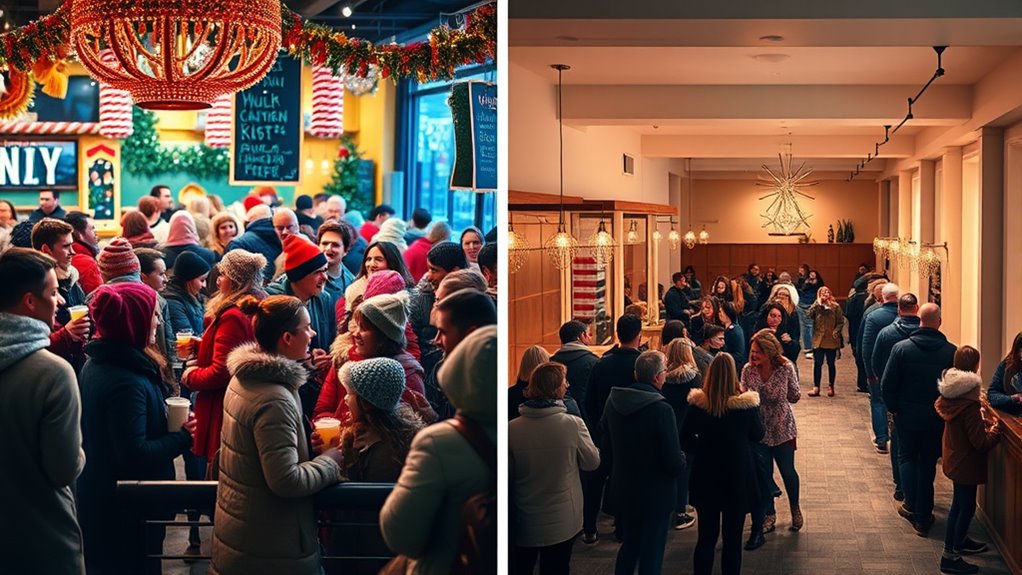
Managing operational costs during winter can be challenging because fluctuating crowds affect your expenses and revenue. Leasing and property costs can take up 30% to 40% of your budget, with monthly rates from $5,000 to over $20,000. Staff expenses—salaries and benefits—account for 25% to 35%, and energy costs for heating and lighting are ongoing. To control these costs, negotiate leasing terms regularly and implement technology solutions to streamline staffing. Preventative maintenance helps avoid costly repairs, while bundling insurance and licensing can save money. During winter, offering discounts can attract more bookings, balancing lower demand. Lower crowd levels give you more venue availability and negotiation leverage, but you must budget carefully for energy, snow removal, and heating to keep operational costs manageable. Additionally, hosting virtual or hybrid events, similar to remote hackathons, can help mitigate the impact of lower in-person attendance during winter months.
Tips for Visiting Indoor Venues During Winter Peaks and Off-Peaks

Visiting indoor venues during winter peaks and off-peak times requires strategic planning to maximize value and experience. To make the most of your visit, consider these tips:
- Plan on weekdays—venues are less crowded, offering more personalized service and better availability of trusted vendors.
- Book in advance—off-peak seasons often feature discounts, so reserve early to secure lower rates and sometimes freebies.
- Visit during off-peak hours—early mornings or late afternoons tend to be quieter, enhancing your experience.
- Research local events—avoid busy days and capitalize on promotional periods by timing your visit during seasonal lulls.
Using these strategies helps you enjoy indoor venues without the crowds and at a better price point.
Frequently Asked Questions
How Do Indoor Crowd Patterns Vary Across Different Regions in Winter?
In winter, your indoor crowd patterns change depending on where you are. In deprived urban areas, you encounter more contacts, while regions like Yorkshire see over 10 contacts per person. Northern U.S. regions experience peaks in crowding and infections, especially during colder months. Smaller venues with poor ventilation increase risks, and indoor gatherings surge as outdoor activity drops. Regional climate, urban density, and ventilation quality all influence how crowded indoors become during winter.
Are There Specific Days When Indoor Venues Typically See the Lowest Winter Crowds?
Think of winter weekdays as hidden gems waiting to be uncovered. Tuesdays and Wednesdays usually have the lowest indoor crowds, giving you the chance to explore quietly. Early mornings during these days are especially calm, like a peaceful lake before dawn. Post-holiday January and February also offer fewer visitors, making these days perfect for avoiding the rush. Take advantage of these quieter moments to enjoy indoor venues undisturbed.
How Do Indoor Activity Providers Adjust Staffing During Winter Weekends Versus Weekdays?
Indoor activity providers ramp up staffing on winter weekends to handle higher crowds, often scheduling more frontline roles like customer service and safety personnel. They extend shifts and include temporary staff to guarantee smooth operations during peak hours. On weekdays, staffing is leaner, focusing on maintenance and admin tasks. They use flexible schedules and demand predictions to balance labor costs with visitor needs, maintaining safety and service quality.
What Are the Most Effective Promotional Strategies to Attract Visitors During Winter Off-Peak Days?
You can entice visitors on winter weekdays by offering tempting discounts, like bundled activities or early bird specials, making their day feel special. Promote unique indoor events, workshops, or themed days that create a cozy, exclusive vibe. Use social media and targeted emails to highlight these deals and experiences, emphasizing the benefits of a quieter, more personalized visit. Partner with local businesses to craft appealing weekday packages that boost attendance and enjoyment.
How Does Holiday Season Influence Indoor Attendance and Pricing Beyond Regular Weekends?
During the holiday season, indoor attendance skyrockets, with visits up over 57% compared to regular times, especially on weekdays. You’ll notice longer stays and more diverse activities like gift shopping and dining. Retailers offer deep discounts and targeted promotions, attracting larger crowds despite economic pressures. As a shopper, you benefit from these heightened promotions, enjoying increased foot traffic and lively atmospheres that make holiday shopping more engaging and convenient indoors.
Conclusion
Did you know indoor venues see up to 40% more visitors on winter weekends compared to weekdays? By understanding these patterns, you can plan your visits smarter, avoiding crowds and enjoying better deals. Whether it’s during peak times or off-peak days, being aware of seasonal pricing and crowd trends helps you make the most of your winter indoor outings. So, plan ahead and make every visit enjoyable and budget-friendly!