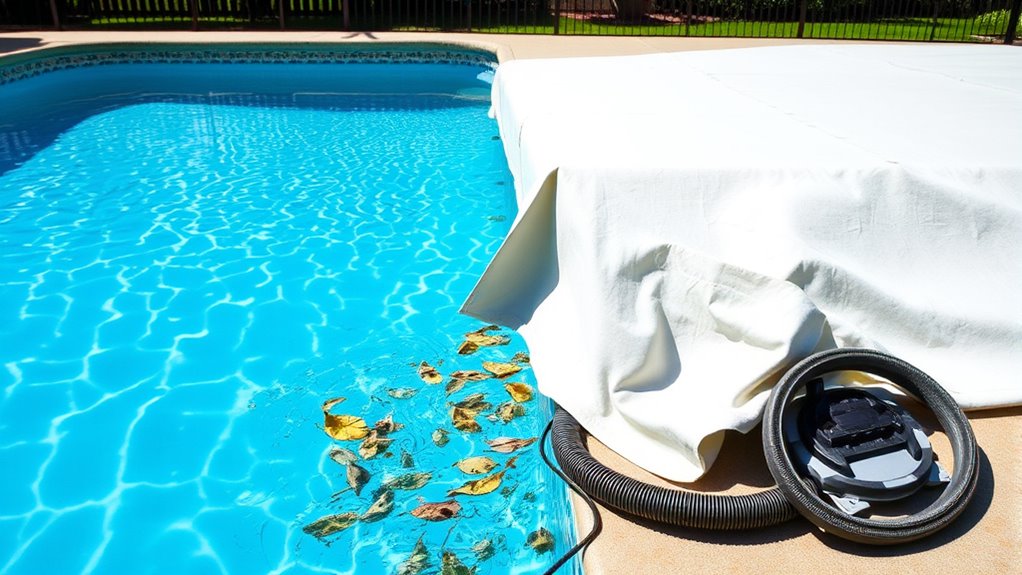

To avoid pool closing mistakes, don’t neglect filter maintenance by over-backwashing or cleaning at the wrong times. Guarantee proper chemical balance by adding treatments 24-48 hours before closing and monitoring levels regularly. Use the right cover securely and protect your equipment from rodents and water damage. Avoid rushing these steps, or you could face costly repairs later. Keep these tips in mind, and you’ll protect your pool year-round—there’s more to ensure a smooth closing process.
Key Takeaways
- Avoid closing the pool with high chemical levels; balance water chemistry 24–48 hours before closing.
- Do not neglect proper winterizing procedures, such as draining equipment and sealing entry points.
- Refrain from over-resting or under-cleaning filters, which can damage equipment or reduce water quality.
- Ensure the pool cover is correctly installed and securely anchored to prevent debris and water damage.
- Do not forget to lower the water level appropriately and remove or winterize all pool accessories.
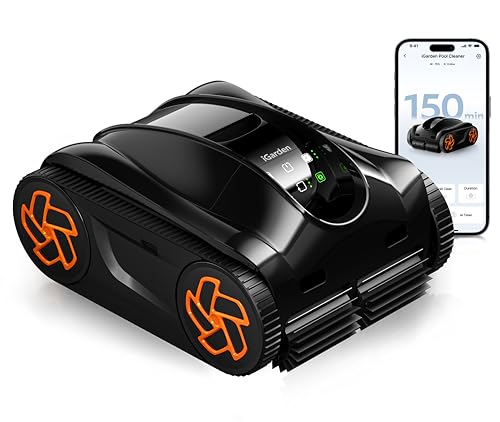
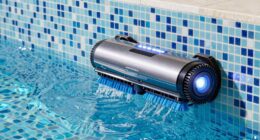
iGarden Robotic Pool Cleaner K Series, 150 Min Runtime Cordless Pool Vacuum Robot for Inground & Above Ground Pools, Smart Navigation, Touchscreen, Self-Parking, Cleans Floor, Wall & Waterline
Robust Cleaning Capability: Engineered with a turbine-grade impeller, an optimized flow system, and 3 brushless motors, the cordless...
As an affiliate, we earn on qualifying purchases.
Common Filter Maintenance Errors and How to Prevent Them
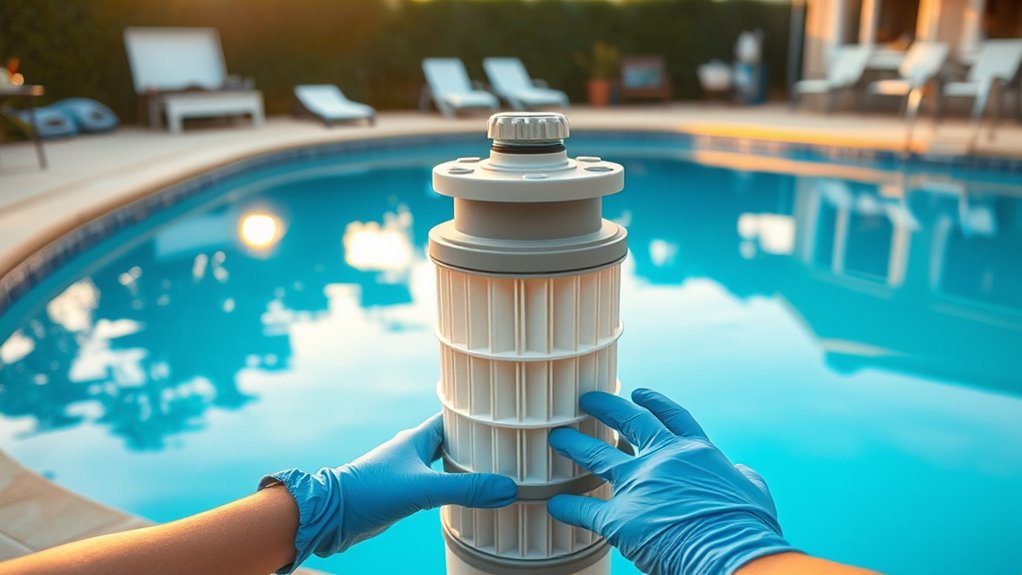
Many pool owners make simple mistakes that compromise their filter’s performance. One common error is over-backwashing, which flushes out debris but prevents the filter from building necessary material for effective filtration. You should only backwash when your pressure rises about 10 psi over the baseline—like from 10-15 psi to 20-25 psi—especially with sand and DE filters. Additionally, neglecting regular filter cleaning leads to algae growth and pump damage. For cartridge filters, inspect for tears or wrinkles, and replace damaged ones. DE filters require careful grid inspection and proper powder replacement. Sand filters benefit from chemical cleaning and occasional sand replacement. Avoid rushing cleaning routines or ignoring pressure gauges; these are essential for maintaining ideal filter function and water clarity. Regular filter maintenance is vital for sustaining optimal performance and avoiding costly repairs.

Cordless Robotic Pool Vacuum, Pool Cleaner with Track Drive & Sonar Navigation, 180W Brushless Motor, Wall & Waterline Climbing, 150-Min Runtime, for Inground Above-Ground 2150 Sq. Ft. (Dark Blue)
【Precision Mobility with Caterpillar Tread Design】 Engineered with industrial-grade caterpillar treads, the robotic pool vacuum delivers exceptional traction...
As an affiliate, we earn on qualifying purchases.
Chemical Balance and Water Treatment Mistakes to Watch Out For
Proper chemical balance is key to guaranteeing your pool stays clean and safe through the closing process. Adding chemicals less than 24 hours before closing prevents proper distribution, increasing algae risk. Aim to add chemicals 24–48 hours in advance, and run the filter during and after application to promote even dispersion. Never backwash immediately after chemical treatment; wait at least 24 hours. Keep total alkalinity between 80–120 ppm and pH between 7.4–7.6 to prevent corrosion or scaling. Calcium hardness should stay between 200–400 ppm to avoid damaging your pool. Properly balanced water reduces cloudiness, scale buildup, and equipment damage. Regular testing of stabilizer and phosphate levels ensures effective chlorine protection and prevents algae growth during winter. Maintaining proper chemical levels at closing is essential for long-term water clarity and equipment health, and avoiding these mistakes keeps your pool healthy and manageable through the off-season. Additionally, monitoring the chemical balance closely helps identify potential issues before they become costly repairs.

(2026 Upgrade) WYBOT C1 Cordless Robotic Pool Vacuum for Inground Pools, Above Ground Pool Cleaner 4-in-1 Wall & Waterline Cleaning Up to 1,614sq.ft, 150mins Smart Navigation, App Support
Powerful Suction with Dual Brushes: Built with an upgraded independent water pump motor delivering up to 3,038 GPH...
As an affiliate, we earn on qualifying purchases.
Proper Pool Cover and Equipment Protection Strategies
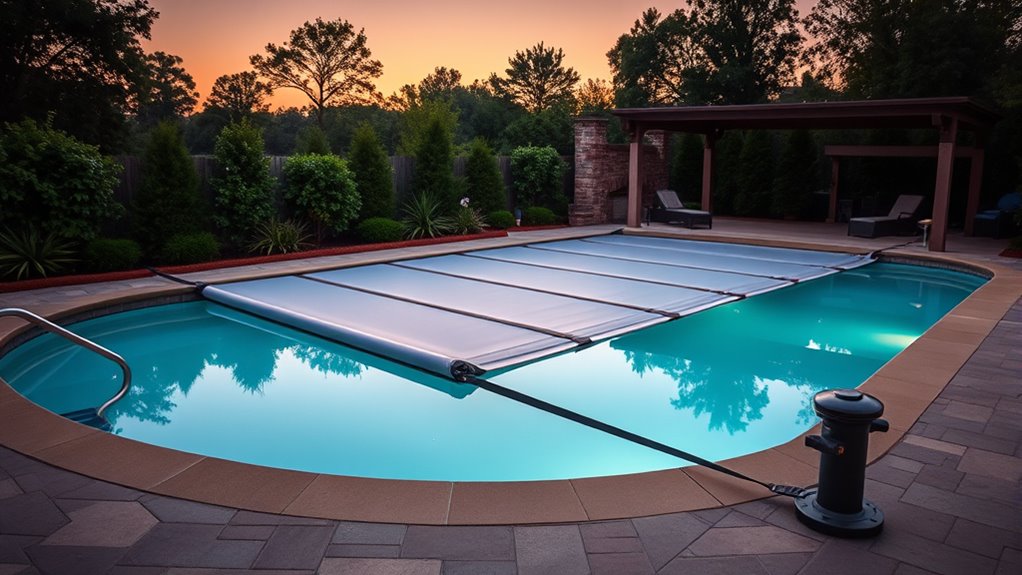
Choosing the right pool cover and installing it correctly are essential steps to protect your pool during the off-season. Safety covers offer maximum protection against intruders and debris, anchored securely to the deck. Winter covers keep out leaves and dirt, shielding your pool from harsh weather. Proper equipment draining, sealing entry points against rodents, and managing water levels protect your pool and equipment from damage. Store and cover all gear for added safety. Ensuring proper maintenance practices during closing can extend the lifespan of your pool and its accessories.
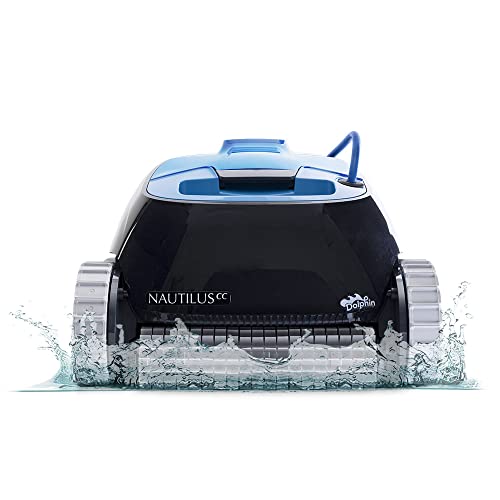
Dolphin Nautilus CC Automatic Robotic Pool Vacuum Cleaner, Wall Climbing Scrubber Brush, Top Load Filter Access, Ideal for Above/In-Ground Pools up to 33 FT in Length
WALL-SCRUBBING POWER: Dolphin Nautilus CC climbs walls efficiently, ensuring thorough cleaning on any pool surface, no matter the...
As an affiliate, we earn on qualifying purchases.
Frequently Asked Questions
When Is the Best Time to Schedule Pool Closing Procedures?
You should schedule your pool closing when the water temperature consistently stays below 65°F, typically in late September to mid-October in northern climates. Keep an eye on weather forecasts and nighttime lows, as these signals indicate it’s time to close. Booking early with a certified professional guarantees you get a convenient date, avoid last-minute rushes, and properly safeguard your equipment from freeze damage while maintaining water quality.
How Do I Choose the Right Pool Cover for Winter?
You’d think choosing a winter pool cover is simple, but oh no! Start by considering your climate—heavy snow? Go mesh to prevent water buildup. Mild winters? Solid covers keep debris and sunlight out. Make certain the size fits perfectly—snug but not tight—and pick materials that resist UV and tears. Don’t forget accessories like anchors and pumps. Your pool’s fate depends on this choice, so pick wisely or face a soggy, algae-ridden mess!
What Safety Precautions Should I Take During Winterizing?
During winterizing, you should always wear protective gear like gloves and goggles when handling chemicals to prevent injuries. Make sure to disconnect and drain all equipment properly to avoid freezing damage. Secure the pool cover tightly to prevent wind from lifting it. Regularly check the water level, removing excess snow or debris, and inspect your fencing for safety. These precautions keep you safe and help maintain your pool’s condition over winter.
How Often Should I Inspect My Pool Equipment During Winter?
You should inspect your pool equipment at least once a month during winter to prevent malfunctions and catch issues early. Focus on checking filter pressure, pump operation, electrical components, and valves. Remove debris and ensure water levels are correct. If you’re in a colder climate, more frequent inspections might be necessary. Regular checks help maintain equipment, prevent costly repairs, and keep everything prepared for the upcoming swimming season.
What Are Signs of Winter Damage to Look for in Pool Equipment?
Think of your pool equipment as a delicate dance partner—if one misstep occurs, the whole routine can falter. Look for visible cracks in the pump, filter, or heater, which signal freeze damage. Check for leaks, water level drops, or strange noises during operation. Inspect electrical components for damage or corrosion. Heavy debris buildup or sagging covers also hint at underlying issues. Catch these signs early to prevent a costly breakdown.
Conclusion
By avoiding these pool closing mistakes, you’ll keep your pool in top shape like a well-tuned guitar. Regular filter maintenance, proper chemical balance, and protective covers are your best tools for a smooth winter. Don’t rush the process or skip vital steps—think of it as giving your pool a cozy blanket for the off-season. With a little care, you’ll be swimming happily again when the warm weather returns, stress-free and ready to go.