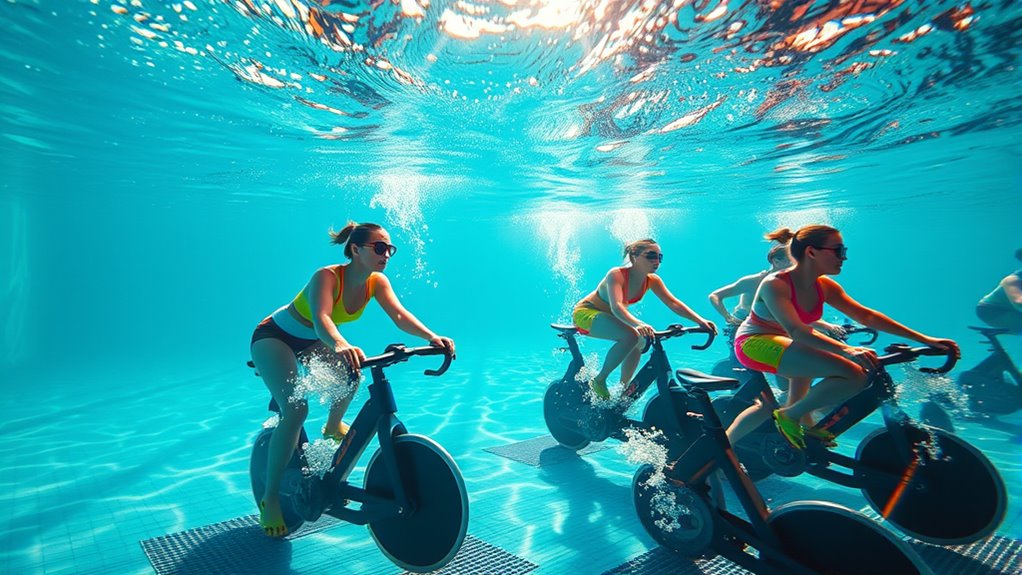

Aqua cycling is a low-impact workout where you ride a stationary bike submerged in water, using water resistance to build strength and improve cardiovascular health. It supports joint recovery and reduces stress while offering a full-body workout. To try it, you’ll need appropriate swimwear, aqua shoes, and a certified instructor or class. If you want to learn how to get started safely and maximize benefits, keep exploring these helpful tips.
Key Takeaways
- Aqua cycling involves riding a stationary bike submerged in water, providing a full-body, low-impact workout.
- It boosts cardiovascular health, muscle tone, and joint mobility through water resistance and buoyancy.
- To try it, find a certified facility offering aqua cycling classes and wear appropriate swimwear and water shoes.
- Follow safety guidelines, such as proper equipment use, hydration, and listening to your body during sessions.
- Aqua cycling benefits mental wellness, pain relief, and cardiovascular fitness, making it suitable for various fitness levels and recovery.
Understanding the Concept of Aqua Cycling
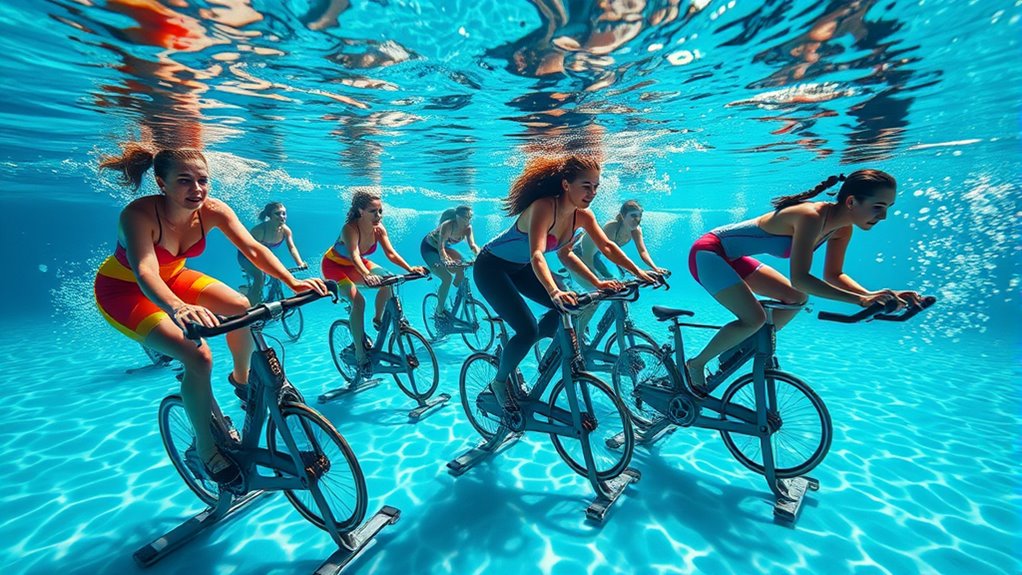
Have you ever wondered how cycling can be adapted for water? Aqua cycling involves riding a stationary bike submerged in a pool about 3 to 4 feet deep. The bike is specially made from marine steel and secured to the pool floor, preventing movement and rust. Pedaling underwater creates resistance from the water, offering a full-body workout that boosts cardiovascular fitness and tones muscles simultaneously. Classes usually last 45 to 60 minutes and include sprints, standing, and sitting positions to vary intensity. The water’s buoyancy reduces joint stress, making high-intensity workouts safer and more accessible, especially if you have joint issues. This combination of resistance, support, and water’s natural properties makes aqua cycling an effective and low-impact exercise option. Water resistance enhances workout effectiveness. Additionally, the supportive environment may encourage positive mindset and motivation for those new to exercise or with prior injuries.
Equipment Needed for Aqua Cycling Workouts

To get the most out of your aqua cycling workouts, you’ll need the right equipment that guarantees safety, comfort, and effectiveness. First, choose the appropriate swimwear, like a one-piece swimsuit with quick-drying, durable fabric, and supportive styles such as racerback or high-neck designs. Second, wear aqua shoes or water shoes with non-slip soles to ensure grip and protect your feet from friction or damage. Finally, consider optional thermal gear like wetsuits or protective tops for warmth, especially in colder water or open water settings. Remember these essentials:
- Swimwear with support and durability
- Non-slip water shoes or aqua shoes
- Thermal gear for added warmth
- Proper gear selection enhances workout safety and comfort.
Physical and Muscular Benefits of Aqua Cycling

Aqua cycling offers a all-encompassing workout that actively engages multiple muscle groups across your entire body. Water resistance challenges your legs, glutes, core, and upper body, requiring stabilization and effort during pedaling. Standing positions further recruit your quadriceps, hamstrings, and glutes, while arm movements against water resistance tone your upper body. Continuous, varied movements sustain muscular effort throughout the session. This workout improves muscle strength and tone, especially in the lower body, with less joint strain. The resistance also boosts your endurance and cardiovascular fitness, elevating metabolic rates and VO2max. As you cycle, you’ll burn more calories than land-based workouts of similar duration. Overall, aqua cycling enhances muscle strength, tone, and physical functioning, making it an effective, low-impact exercise for total-body conditioning. Incorporating AI-powered fitness technology can further optimize your training experience and track progress effectively.
Therapeutic Advantages for Joints and Rehabilitation
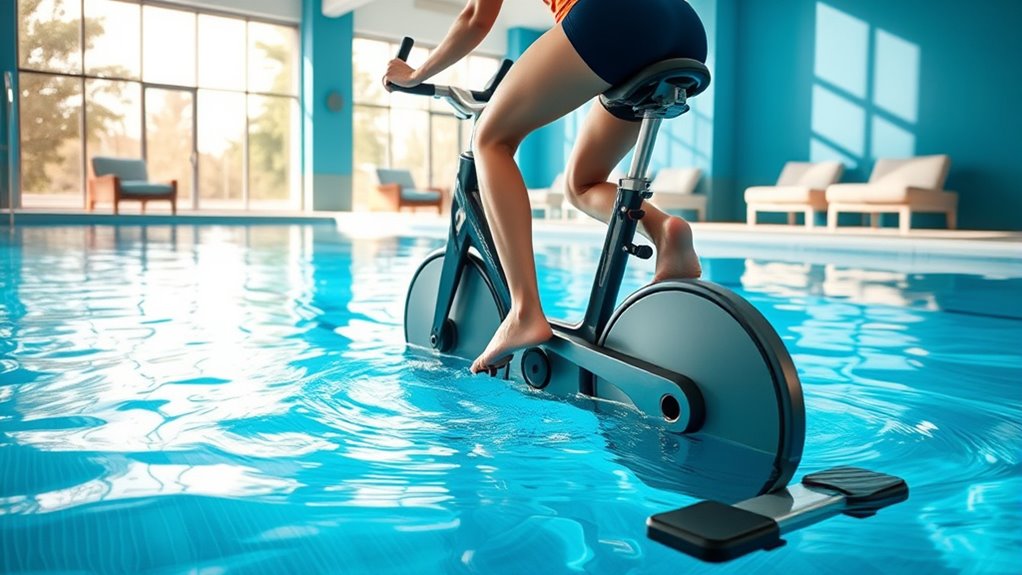
Water’s buoyancy reduces the load on your joints, making movement safer and more comfortable, especially if you’re dealing with arthritis or recovering from surgery. This lowered stress helps you regain mobility and manage pain more effectively. By supporting gentle, controlled motion, aqua cycling can accelerate your rehabilitation process and improve joint function. Water buoyancy also decreases weight-bearing stress on joints, enabling low-impact exercise that is easier on painful or weakened joints. Additionally, incorporating exercise technology can optimize your workout and therapeutic outcomes.
Joint Stress Reduction
Have you ever wondered how aqua cycling reduces joint stress during exercise? The water’s buoyancy supports your body weight, markedly lowering joint load compared to land workouts. This decreased gravitational force allows your knees and hips to move more freely without pain or strain. The buoyant environment also decompresses synovial joints, reducing swelling and stiffness, especially in osteoarthritis. Hydrostatic pressure gently massages tissues, helping reduce post-exercise soreness and inflammation. Plus, the warm water relaxes muscles, easing discomfort. Water resistance surpasses air resistance, providing a challenging workout that promotes muscle engagement and joint protection. Additionally, understanding the AI Bifurcation helps us appreciate how technological advancements can influence rehabilitation methods and health innovations in the future.
- Supports joint decompression, decreasing stiffness
- Lowers joint load, reducing injury risk
- Promotes smoother movement and better circulation
All these factors work together to protect your joints, making aqua cycling a gentle, effective way to stay active and manage joint health.
Enhanced Mobility Support
Did you know that hydrostatic pressure during aqua cycling substantially enhances joint mobility and flexibility? When you immerse yourself in water, this pressure reduces swelling and improves circulation, delivering oxygen and nutrients to your joints and muscles while removing waste. This boost in blood flow helps decrease inflammation, easing stiffness and soreness, which is especially beneficial during rehab. The buoyancy of water supports your joints, allowing greater movement without pain, and resistance helps you gradually stretch and strengthen soft tissues. Regular aqua cycling increases flexibility, making daily activities easier and reducing compensatory movements. Additionally, hydrostatic pressure exerts an even greater influence by assisting in the redistribution of fluids and promoting lymphatic drainage, which further reduces swelling and enhances recovery. By supporting joint function and encouraging safe, controlled motion, hydrostatic pressure plays a crucial role in improving mobility and aiding your rehabilitation efforts efficiently.
How Aqua Cycling Enhances Cardiovascular Health

Aqua cycling considerably enhances cardiovascular health by improving key heart function parameters and reducing strain during exercise. It increases stroke volume and cardiac output, allowing your heart to pump more efficiently with each beat. Water’s hydrostatic pressure boosts venous return, raising central blood volume and supporting heart performance. During water workouts, your heart rate stays lower at similar intensities, decreasing stress, while blood pressure often drops, thanks to peripheral vasodilation. This environment promotes a better myocardial oxygen supply-to-demand balance, reducing ischemic risks. Hydrostatic pressure also increases stroke volume by promoting preload, which further supports efficient cardiac function.
Aqua cycling boosts heart efficiency, lowers stress, and enhances cardiovascular health through improved blood flow and oxygen supply.
- Boosts stroke volume and cardiac efficiency without extra strain
- Lowers heart rate and blood pressure for safer exercise
- Improves oxygen utilization and cardiovascular endurance
Additional Wellness Benefits of Water-Based Exercise
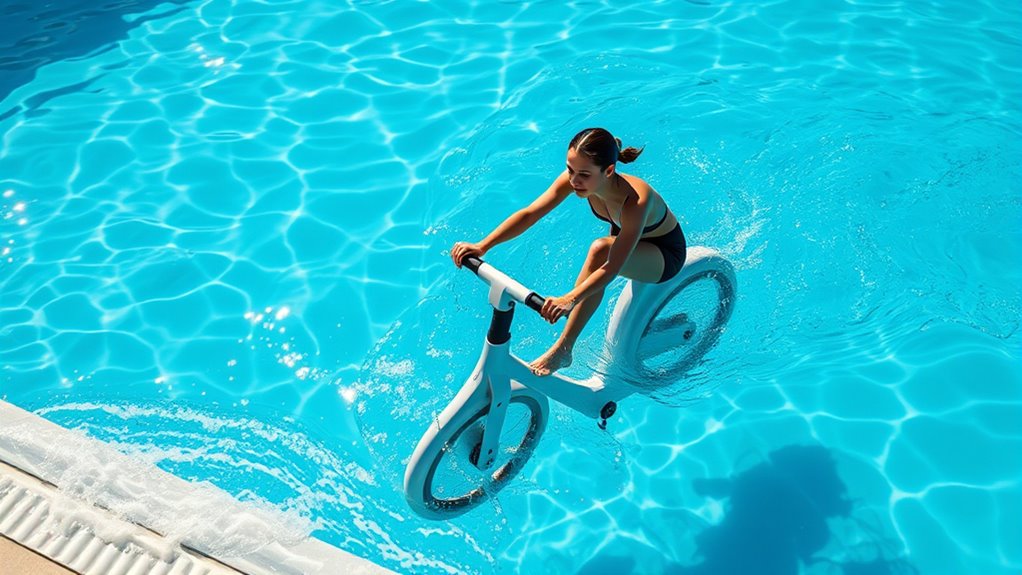
Water-based exercise stimulates your lymphatic system, helping your body remove toxins and reduce swelling more effectively. It also boosts your mental well-being by lowering stress, improving mood, and promoting relaxation. As you engage in aquatic activities, you may notice these benefits enhancing your overall health and resilience. Water’s buoyancy supports relaxation of muscles and reduces overall physical stress, further contributing to your sense of well-being. Understanding comparative advantage can also help you appreciate how water workouts maximize your fitness gains efficiently.
Enhanced Lymphatic Circulation Benefits
Engaging in aquatic cycling stimulates your lymphatic system through rhythmic muscle contractions and external massage from water resistance. These movements act as a pump, encouraging lymph flow from your extremities toward your core. Water’s hydrostatic pressure and turbulence further enhance this effect, mimicking manual lymphatic drainage. As you pedal, your muscles contract and relax, propelling lymph and increasing transport by up to 300% when combined with breathing exercises. This boosts your body’s natural detox processes and improves circulation. To deepen the benefits, water resistance: provides external massage, reducing swelling and inflammation; supports lymphatic drainage, helping eliminate toxins and waste; promotes tissue drainage, minimizing water retention and improving skin health; and enhances overall immune function by stimulating lymphatic flow. Additionally, the consistent water-based exercise can improve cardiovascular health and reduce stress, making it a holistic approach to wellness.
Improved Mental Well-Being
Participating in aquatic cycling not only enhances physical health but also markedly boosts mental well-being. Regular water-based exercise improves overall mental health scores across diverse groups, including elderly and those with mental health conditions. Just 12 weeks of consistent activity can lead to noticeable mood and emotional stability. Studies show depression symptoms can decrease by up to 53%, and anxiety by nearly half, sometimes reducing medication needs. The supportive water environment boosts self-esteem, body image, and confidence, while group activities foster social connections. Water immersion also sharpens focus, memory, and cognitive clarity. The rhythmic movements and calming environment promote relaxation, mindfulness, and emotional balance. Research indicates that aquatic exercise can also reduce stress hormones and promote better sleep quality. Engaging in mind-body connection practices during water exercise can further enhance mental resilience. Overall, aquatic cycling offers a holistic approach that nurtures mental health while supporting your physical fitness.
Preparing for Your First Aqua Cycling Session
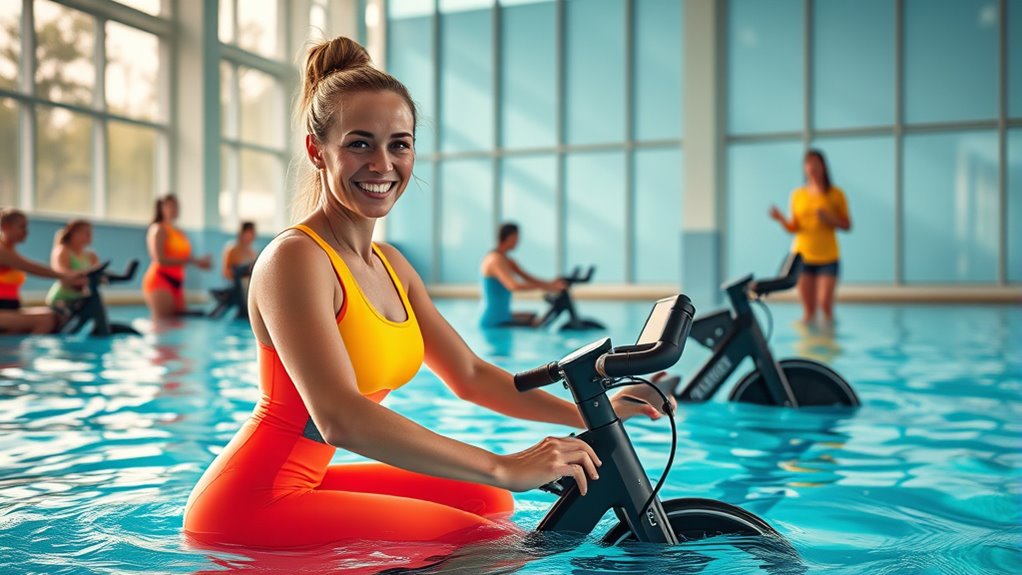
To guarantee a smooth first aqua cycling experience, start by arriving early to familiarize yourself with the facility and equipment layout. Check in with staff, confirm your reservation, and locate the hydro-spin bike. Make sure you bring appropriate gear, like swimwear and quick-drying clothes for afterward. Hydrate beforehand to prevent dehydration during the workout. Review any safety guidelines or rules provided by the facility. Practice transitions Keep these points in mind: – Arriving early helps you get comfortable with the environment. – Knowing the equipment ensures quick setup and confidence. – Hydrating properly supports endurance and recovery. Being prepared minimizes surprises and allows you to focus on enjoying your workout. Familiarity with the environment and equipment sets the stage for a safe, effective, and enjoyable aqua cycling session. Additionally, understanding the privacy and cookie policies of the facility can enhance your overall experience and ensure your personal information is protected.
Tips for Safe and Effective Aqua Cycling Practice

To practice aqua cycling safely and effectively, you need to pay attention to proper equipment use, technique, and listening to your body. Make sure you’re using stable, water-appropriate bikes and following correct posture to prevent injury. Always stay alert to how you feel during the session and adjust accordingly to avoid overexertion or discomfort. Maintaining safety protocols such as supervising the session with qualified staff and ensuring equipment is well-maintained is essential to reduce hazards and promote a secure exercise environment. Additionally, understanding muscle recovery principles can help optimize your training and prevent overuse injuries.
Proper Equipment Usage
Using proper equipment is vital for safe and effective aqua cycling. Your swimwear should be a snug, high-necked, racer-back one-piece or a supportive two-piece designed for sports—quick-drying and chlorine-resistant. For footwear, aqua shoes with non-slip soles are mandatory, especially on cage pedals, to prevent blisters and guarantee stability. They should drain water efficiently and support your arches to reduce fatigue. Protective accessories like wetsuits are essential in cold water, while swim caps help keep hair out of your face and reduce drag. Always inspect your bike’s components—pedals, handlebars, and seat—for wear or looseness, and confirm it’s secured with suction cups or a weighted base. Proper equipment use enhances safety, comfort, and performance during every session. Additionally, understanding the benefits of water-based exercise can motivate you to maintain proper equipment use and maximize your workout efficiency.
Technique and Posture
Maintaining proper technique and posture is essential for safe and effective aqua cycling. Start with a flat back to prevent lung compression and breathe fully. Keep your shoulders relaxed and avoid hunching forward, which helps preserve proper breathing. Position your elbows slightly bent, lowering them gradually for comfort without closing your chest. Adjust the seat to keep hips stable and prevent strain. Align your head and neck with your spine to reduce tension. Use the table below to guide your posture:
| Technique Aspect | Key Tips |
|---|---|
| Lower Body | Secure feet, smooth pedaling, slight knee bend |
| Core Engagement | Activate core, avoid lower back arching |
| Upper Body | Relax shoulders, elbows close, controlled arm movement |
Additionally, focusing on proper posture during aqua cycling can help prevent fatigue in your back, shoulders, and core, allowing you to sustain your workout longer and improve overall performance. Incorporating muscle engagement techniques can further enhance the effectiveness of your exercise routine.
Listening to Your Body
Ever wonder how listening to your body can make your aqua cycling sessions safer and more effective? Paying attention to how you feel helps prevent overexertion and injuries. If you experience dizziness, nausea, or excessive fatigue, stop immediately and rest. Know your limits and increase intensity gradually as your fitness improves. Stay hydrated by drinking water before, during, and after your workout—using a reusable bottle keeps things simple. Watch for pain or discomfort; report persistent issues to your instructor and seek medical advice if needed. Remember to take scheduled breaks to recover and avoid overtraining. Trust your body’s signals—if something feels off, stop, rest, and consult a professional. Your awareness ensures a safe, enjoyable aqua cycling experience. Following safety precautions, such as consulting your physician beforehand and ensuring your flotation belt is secure, further enhances your safety during exercise.
Finding the Right Class and Instructors

Finding the right aqua cycling class involves evaluating both the class format and the instructor’s qualifications to make certain it matches your fitness goals and comfort level. Look for classes that match your preferred intensity, whether it’s interval, steady-state, or hybrid workouts. Some classes combine water exercises with dumbbells, noodles, or kickboards, so choose one that aligns with your interests. Check if the instructor is certified in aquatic fitness or group exercise, and if they have experience with resistance training or adaptive fitness. Consider the class level—beginners, intermediates, or advanced—and whether there are options for private sessions. Finally, read reviews or ask for recommendations to ensure the facility offers quality instruction and safe, well-maintained equipment suited to your needs. Ensuring the instructor understands proper technique and safety protocols can help prevent injuries and maximize your workout benefits.
Making the Most of Your Aqua Cycling Experience

Wondering how to get the most out of your aqua cycling sessions? To maximize benefits, focus on proper technique, intensity, and consistency. Keep your posture aligned with your core engaged—this enhances muscle activation and stability. Use heart rate monitors, especially underwater sensors, to guarantee you’re exercising at an effective intensity. Push yourself gradually, increasing resistance or duration over time for better endurance and calorie burn—up to 800 calories in 45 minutes. Remember, water’s resistance boosts your cardiovascular effort and muscle strength simultaneously. To deepen your understanding, consider these tips:
- Maintain proper form for optimal muscle engagement
- Track your heart rate for effective intensity control
- Progress gradually to prevent plateaus and injury
- Building endurance is key to sustaining longer, more effective workouts and improving overall fitness levels.
- Incorporate consistent training routines to see steady progress and prevent setbacks.
Staying consistent and mindful of these factors helps you unlock the full potential of aqua cycling.
Frequently Asked Questions
Can Aqua Cycling Be Suitable for Pregnant Women?
Yes, aqua cycling can be suitable for pregnant women when you check with your healthcare provider first. It’s a low-impact, supportive exercise that reduces joint strain and alleviates pregnancy discomforts like back pain and swelling. Make sure to follow safety guidelines, stay hydrated, and avoid overheating. With proper supervision and moderation, aqua cycling can help you stay active, improve mood, and support your overall well-being during pregnancy.
How Often Should I Do Aqua Cycling for Optimal Results?
Imagine your fitness journey as a gentle river flowing steadily toward your goals. To achieve ideal results, you should aim for 3 to 5 aqua cycling sessions weekly, depending on your fitness level and goals. Beginners start with 1-2 times, gradually increasing. Be sure to listen to your body, diversify your workouts, and stay hydrated—consistent, moderate effort will carry you smoothly toward improved strength, endurance, and weight loss.
Is Prior Swimming Experience Necessary to Participate?
You don’t need prior swimming experience to participate in aqua cycling. The activity takes place on stationary bikes in shallow water, with most participants seated and only their legs submerged. Water buoyancy and instructor supervision make it safe and accessible, even for non-swimmers. Plus, modifications can be made to suit your abilities, so you can enjoy the physical and therapeutic benefits without needing swimming skills.
Are There Age Restrictions for Aqua Cycling Classes?
If you’re wondering about age restrictions, you’ll find that most aqua cycling classes welcome those around 13 and older, often with a guardian’s nod of approval. Some programs require participants to be 18+, especially for certification. Younger adventurers, like kids aged 8 and up, might join with adult supervision. Height and safety considerations also influence eligibility, making sure everyone enjoys a secure, fun experience on the water.
What Precautions Should I Take if I Have a Heart Condition?
If you have a heart condition, you should get medical clearance before starting aqua cycling. Always disclose recent symptoms and avoid exercising if you’re unwell or feeling fatigued. Monitor for chest pain, dizziness, or irregular heartbeat during sessions, and stop immediately if these occur. Exercise in thermoneutral water, stay well-hydrated, and start with moderate intensity. Use slower movements and supported positions if needed, and never exercise alone.
Conclusion
Ready to plunge into aqua cycling? Think of it as your personal fountain of youth, blending fun and fitness while easing your joints. With the right gear, guidance, and attitude, you’ll ride waves of strength and health. So, take the leap—your body will thank you for this invigorating journey. Embrace the splash and let aqua cycling turn your workout into a revitalizing adventure that keeps you coming back for more.