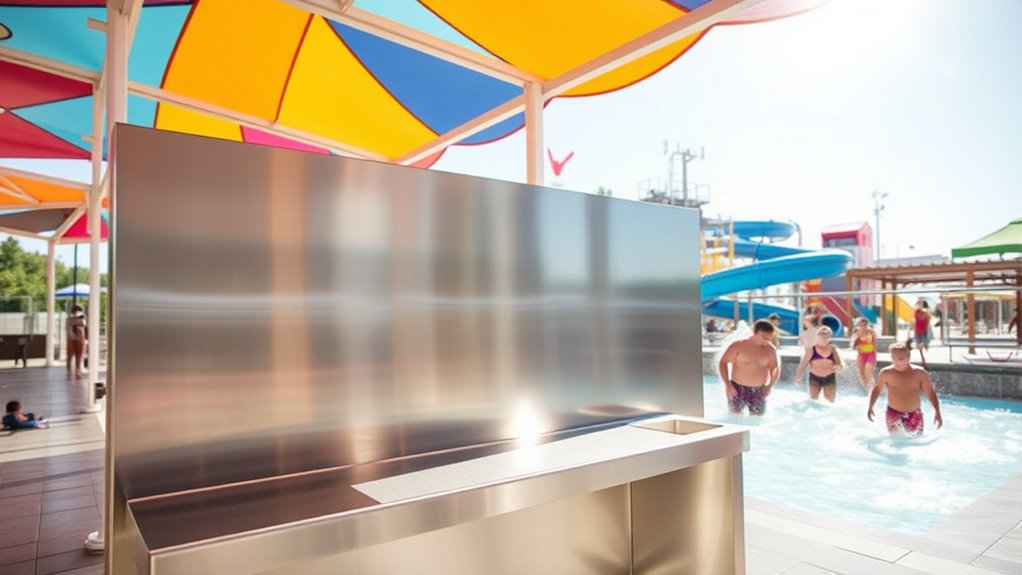
At water parks, adult changing tables are typically placed in accessible, private restrooms near main entrances, high-traffic areas, and near pools or water attractions to guarantee easy access and safety. They offer essential support for guests with mobility challenges and caregivers, promoting dignity and independence. Proper placement also helps with quick transfers and reduces stigma. To discover more about where and why these features matter, keep exploring how they make water parks more inclusive.
Key Takeaways
- Located near restrooms, water attractions, and main entrances for easy access and convenience.
- Placed within family or all-gender restrooms to ensure privacy and accommodate diverse needs.
- Essential for supporting guests with mobility challenges, promoting safety, dignity, and inclusivity.
- Help reduce travel distance after water activities, encouraging repeat visits and positive experiences.
- Installed in water parks to comply with accessibility standards and foster a welcoming environment for all guests.

Wrangler Wesley Rolling Duffel Bag, Seaform, Large 30-Inch
Authentic Wrangler: Officially branded product known for quality & reliability. Stylish design complements your travel ensemble.
As an affiliate, we earn on qualifying purchases.
Legal Mandates for Water Park Facilities
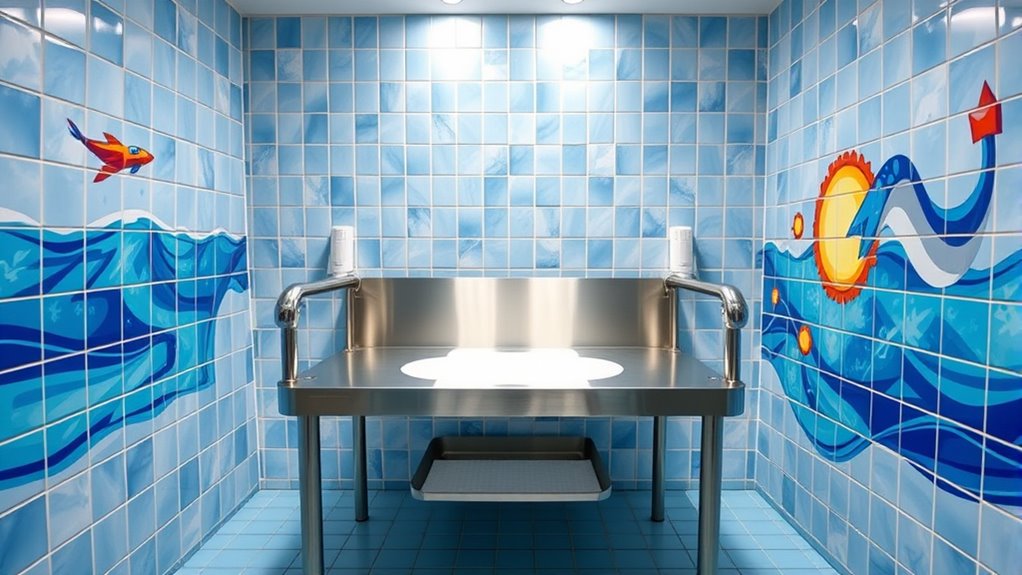
While the Americans with Disabilities Act (ADA) does not explicitly require adult changing tables at water parks, it sets important standards for accessibility that influence their installation. The ADA mandates accessible restrooms and bathing facilities for people with disabilities, including clear floor space for wheelchair maneuverability and accessible showers with grab bars. Although adult changing tables aren’t specifically specified, accessible changing surfaces may be required in certain situations. State and local regulations can add to these requirements—some, like California and New York City, mandate adult changing tables in public restrooms, including water parks. Facilities receiving federal funding must also comply with Section 504 of the Rehabilitation Act, which may demand additional accessibility features. Overall, legal mandates aim to ensure equitable access, prompting water parks to consider installing adult changing stations. ADA compliance standards also emphasize the importance of providing accessible features that support dignity and independence for visitors with disabilities. Additionally, ongoing advocacy efforts continue to push for more explicit requirements for adult changing tables in recreational facilities.

STOVER 45L Carry-On Rolling Duffel Bag with Wheels, Medium Durable Travel Duffle w/Toiletry Bag, Heavy-Duty, Packable, Foldable with Shoulder Straps- Use as Luggage or Backpack, Men/Women (Green)
LARGE CAPACITY: At 45L this innovative, patent pending carry-on duffel bag is spacious enough for clothes & essentials...
As an affiliate, we earn on qualifying purchases.
Key Features of Adult Changing Stations
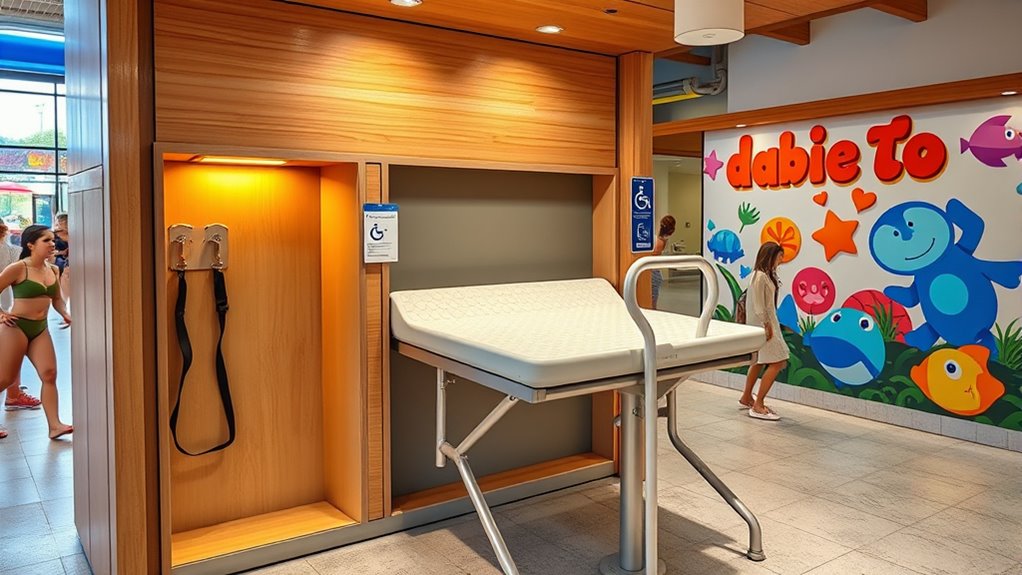
Adult changing stations in water parks feature specific structural and dimensional requirements to guarantee safety, comfort, and ease of use. You’ll notice they’re designed to be spacious enough for wheelchair users and caregivers, with typical dimensions like 8 feet by 10 feet to allow easy maneuvering. Many tables are powered, height adjustable, and can lower to about 8 inches or raise to 34 inches for safe transfers. Key features include:
- Large surfaces—at least 25 inches wide by 72 inches long—supporting up to 350 pounds.
- Hygiene elements like non-porous diaper-changing units, adjacent sinks, and covered trash receptacles.
- Privacy features, such as placement within private restrooms, clear signage, and secure, stable platforms.
- Legislation often mandates that such facilities be accessible and adequately equipped to meet diverse user needs, emphasizing compliance and inclusivity. Additionally, these stations are designed with safe transfer practices in mind to ensure user safety during use.
These design elements *guarantee* safety, hygiene, and dignity during use.

Pacific Gear Duffel Bag with Rolling Wheels
Made of durable polyester material with mesh lining for breathability and enhanced durability.
As an affiliate, we earn on qualifying purchases.
Strategic Locations Within Water Parks
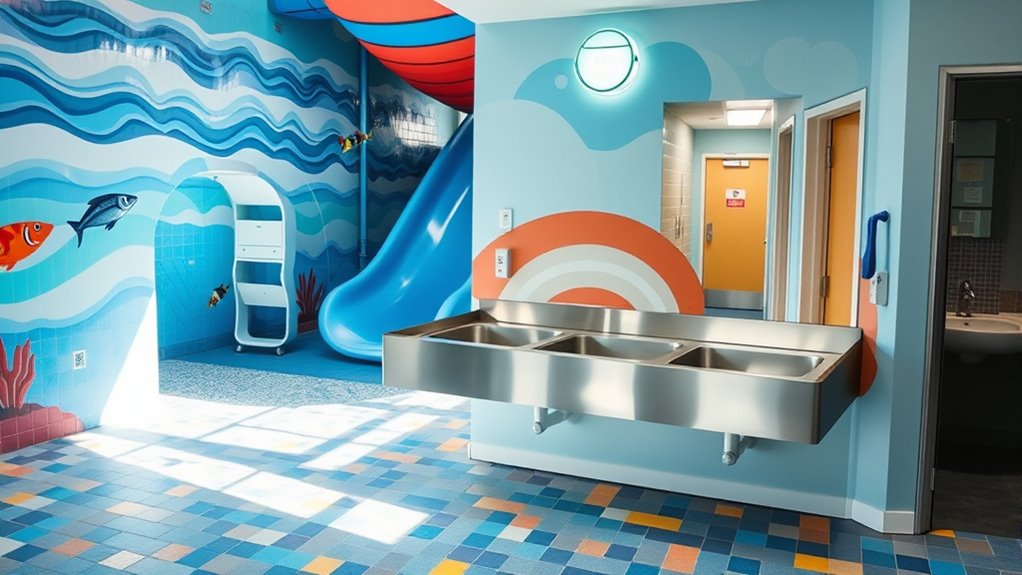
You’ll want to consider where adult changing stations are placed for maximum convenience and safety. Positioning them near accessible entry points, restroom zones, and high-traffic areas makes it easier for guests to find and use them quickly. Strategic placement benefits everyone by reducing travel time and improving overall accessibility throughout the park. Locations of Changing Places are often situated within Family/Companion Care Restrooms to ensure optimal accessibility. Additionally, understanding the importance of creative practice can inspire innovative solutions for designing more inclusive and user-friendly facilities.
Accessible Entry Points
Strategic placement of adult changing tables within water parks guarantees guests with mobility challenges can access facilities conveniently and efficiently. You’ll find these tables near key entry points to minimize travel and ease transfers. Common locations include:
- Near main park entrances and parking areas—close to accessible parking spots and guest services.
- Adjacent to drop-off zones—allowing direct access upon arrival and departure.
- Near ride access points and pools—streamlining transitions from changing areas to water features with nearby ramps and pathways.
- Included in the park’s overall accessibility planning, these designated areas are often located along primary routes to ensure ease of access for all visitors. Incorporating proper signage and lighting further enhances visibility and safety for guests navigating to these facilities.
These entry points are clearly marked with signage, integrated into digital maps, and situated along primary routes. Good lighting and security enhance safety, ensuring guests can access changing facilities comfortably and confidently.
Designated Restroom Zones
Placing restroom zones with changing tables in key locations guarantees guests with mobility challenges can access them quickly and comfortably. These zones are integrated within family or all-gender restrooms that emphasize privacy, featuring barriers and extra space. They’re strategically positioned near popular water attractions, central park hubs, and high-traffic areas to minimize walking distances. Restrooms are often near lifeguard stations or first aid points for added assistance. They include accessible layouts with ramps or elevators on multiple levels, ensuring ADA compliance. Signage clearly indicates the availability of changing tables and accessibility features. Restroom zones are also near shower facilities, lockers, and hydration stations for convenience. Waterproof surfaces, good lighting, and hygiene stations promote safety and cleanliness, making the experience seamless and secure for all guests. Some include manual flush toilets for sensory needs, further enhancing comfort and accessibility. Incorporating accessible features such as adjustable changing tables and sensory-friendly amenities helps accommodate a diverse range of guests.
Strategic Placement Benefits
Positioning adult changing tables in key locations within water parks guarantees guests with mobility challenges can access them quickly and comfortably. Strategic placement enhances convenience, safety, and dignity, ensuring essential services are readily available. For example:
- Near main entrances — Maximizes access for all visitors, supports early use, and improves wayfinding.
- Adjacent to water attractions — Reduces travel distance after water activities and encourages repeat visits.
- Close to first aid stations — Integrates care resources and allows rapid assistance for medical needs.
Placing tables along main walkways and circulation paths also increases usability, supports spontaneous use, and distributes resources evenly. Near shower and locker areas, it promotes smooth transitions, proper hygiene, and privacy. Additionally, accessibility standards help ensure these installations meet safety and usability requirements for all guests. Overall, strategic placement guarantees accessibility and enhances the guest experience. Proper installation ensures the tables remain safe, reliable, and functional in these high-traffic environments.

Amazon Basics 35-inch Large Rolling Duffel Bag with Wheels and Handle, Travel Duffle with Durable Ripstop Polyester Material, 2 Layers of Storage Space, Multiple Interior and Exterior Pockets, Black
DURABLE CONSTRUCTION: Top crafted from 100% polyester, this large duffel bag for travel is durable, able to withstand...
As an affiliate, we earn on qualifying purchases.
Benefits for Visitors and Caregivers

Adult changing tables at water parks considerably enhance accessibility and inclusion for visitors with disabilities and their caregivers. You’ll find it easier to participate in water park activities by meeting hygiene and care needs comfortably and privately. Caregivers can provide support without embarrassment or discomfort, fostering independence and dignity for their loved ones. These facilities reduce barriers, making water parks more inviting for everyone, including those with physical limitations. They also improve the overall experience by offering a secure space for changing, which limits stress and anxiety. Caregivers benefit from ergonomic, adult-sized tables that lessen physical strain and streamline care routines. Plus, proper sanitation and disposal areas help maintain hygiene standards, creating a safer, cleaner environment for all guests. Implementation of barrier-free infrastructure and inclusive design further supports the needs of all visitors, ensuring that these facilities are accessible and beneficial for everyone. Additionally, understanding the hours of operation of nearby stores can help caregivers plan visits more effectively and comfortably.
Designing for Accessibility and Privacy
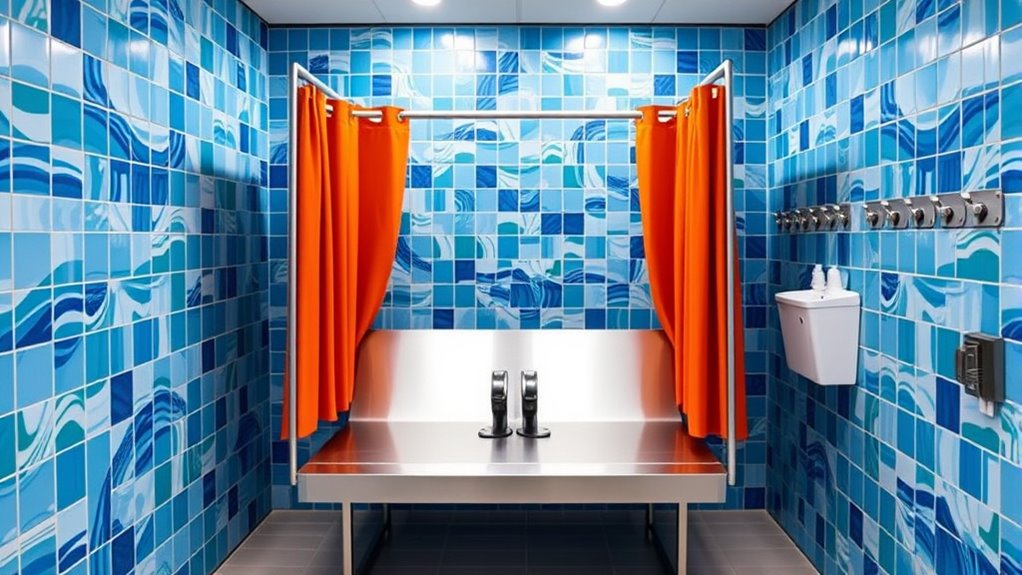
When designing adult changing tables, you need to prioritize privacy and dignity for users. Incorporating features like private restrooms, safety rails, and secure locks helps create a respectful environment. Additionally, user-friendly adjustments, such as easy-to-operate height controls and clear signage, enhance safety and independence for all users. Compliance with the International Building Code ensures these features meet established safety and accessibility standards, supporting inclusive design. Ensuring the availability of vetting standards in these facilities further promotes safety and reliability.
Ensuring Privacy and Dignity
Designing changing facilities that prioritize privacy and dignity requires careful attention to both regulatory standards and user needs. To achieve this, focus on these key aspects:
- Private, single-user restrooms with lockable doors and soundproofing provide an exclusive space for caregivers and adults, shielding intimate activities from view.
- Spatial clearance of at least 36 inches around the changing surface ensures unobstructed access while maintaining privacy barriers.
- Environmental placement in discreet areas minimizes traffic and accidental exposure, creating a calm, respectful environment for users.
- Incorporating appropriate lighting and ventilation can further enhance comfort and dignity during care activities.
These measures help protect user confidentiality, promote comfort, and uphold dignity during sensitive care activities, aligning with legal requirements and best practices.
Incorporating User-Friendly Features
Incorporating user-friendly features into adult changing tables guarantees both accessibility and privacy are prioritized, making the experience safer and more comfortable for everyone. Adjustable height ranges from about 12 to 41 inches allow you to tailor the table to individual needs, reducing strain and ensuring ergonomic transfers. With weight capacities up to 500 pounds, these tables accommodate various body types securely. Controls with electronic buttons enable smooth height adjustments, often with safety features like obstruction detection and emergency stops. The design includes easy-to-clean, bacterial-resistant materials such as stainless steel and ABS, promoting hygiene. Dual control access and safety guardrails support caregivers in assisting users comfortably, while certifications ensure safety compliance. These features foster dignity, independence, and inclusivity in water park settings.
Challenges and Cost Considerations
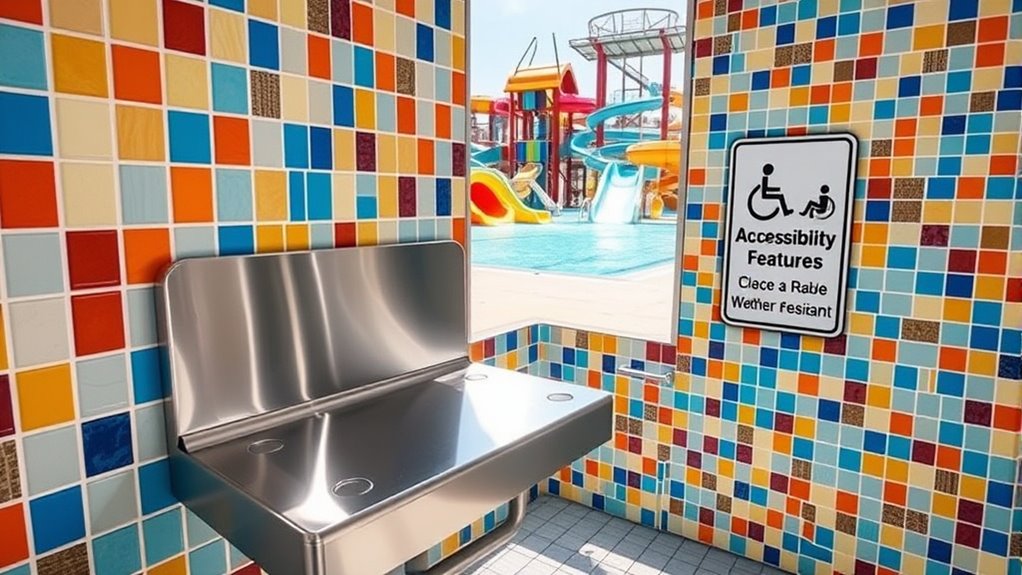
Installing adult changing tables in water park restrooms presents several significant challenges and cost hurdles. First, the lack of a federal mandate means many facilities don’t prioritize this upgrade. Second, existing ADA standards don’t require adult changing stations, so they’re often overlooked. Third, the higher costs of adult-specific equipment, including plumbing, electrical work, and safety features, can strain budgets. Additionally, structural modifications may be necessary, increasing installation expenses. Maintenance and cleaning costs are also higher for these specialized stations. Many water parks face barriers like limited awareness and strict budget constraints, delaying or preventing installation. Without mandated policies, these challenges persist, making it difficult to ensure safe, dignified access for all visitors needing adult changing facilities. Furthermore, the absence of federal guidelines makes it harder for water parks to justify the investment. Recognizing these obstacles, some parks are exploring innovative solutions to improve accessibility within existing budgets.
Successful Implementation Examples
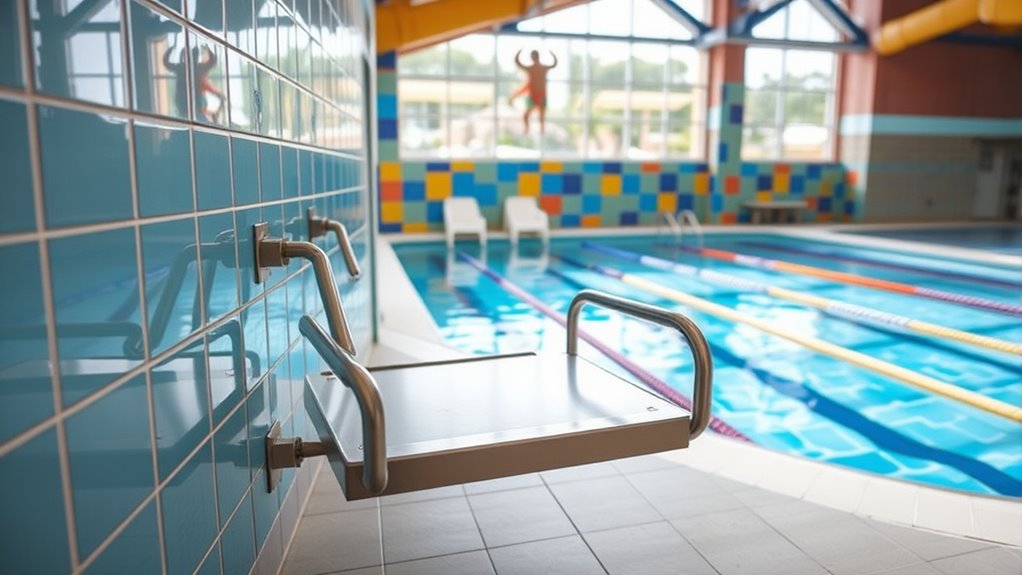
Successful implementation of adult changing tables in water parks demonstrates how strategic planning and collaboration can overcome challenges. Tennessee State Parks installed adjustable-height, adult-sized changing tables at 10 locations, supported by a $1 million initiative approved in 2025. These facilities prioritize privacy, comfort, and accessibility for individuals with disabilities and seniors needing caregiver assistance. Meanwhile, Morgan’s Wonderland and Inspiration Island in San Antonio set a high standard by integrating multiple changing rooms equipped with hoists, lateral supports, and sensory features that enhance inclusivity. Their staff provide wheelchair valet services, ensuring dignity and ease of use. These examples highlight the importance of durable, user-friendly designs based on universal principles, notably improving the experience for families and visitors with diverse needs. Collaboration across agencies and funding sources drives continued expansion and success. Incorporating accessible design principles further ensures these facilities meet the diverse needs of all users.
Advocating for Broader Adoption

Why is broader adoption of adult changing tables gaining momentum across the country? It’s driven by legislation, safety, and inclusion. First, many states are enacting laws requiring these tables in new or renovated public buildings, with Minnesota now having a statewide mandate. Second, public health concerns promote their use, reducing infection risks and preventing injuries for caregivers and users. Third, advocates push for law reforms to ensure adult changing tables are as standard as infant ones, supporting social equity. Additionally, recognizing the importance of Native American dance traditions and other cultural practices highlights how inclusivity extends beyond physical accessibility. To achieve this, you can:
Broader adoption of adult changing tables promotes safety, inclusion, and social equity across public spaces nationwide.
- Lobby for legislation that mandates adult changing tables in all public venues
- Support funding initiatives like grants and state programs
- Raise awareness about the benefits for accessibility and dignity
These efforts help normalize adult changing tables, making public spaces more inclusive for everyone.
Frequently Asked Questions
How Do Adult Changing Tables Impact Water Park Operational Costs?
Installing adult changing tables increases your water park’s operational costs due to ongoing maintenance, regular cleaning, and staff training. Powered, height-adjustable models require more frequent upkeep, which adds to labor expenses. You’ll also need private spaces and accessible restrooms, boosting space and cleaning costs. However, they can attract more visitors, improve compliance, and boost community reputation, potentially offsetting some expenses through increased attendance and customer satisfaction.
Are Portable Adult Changing Stations Acceptable in Water Parks?
Portable adult changing stations are generally acceptable in water parks if they meet safety, hygiene, and accessibility standards. You need to guarantee they’re stable, easy to sanitize, and always available during operating hours. Proper storage, signage, and placement are essential to avoid obstruction and maintain privacy. When managed well, portable stations can offer flexible, inclusive solutions that comply with regulations and enhance accessibility for all visitors.
What Maintenance Is Required for Adult Changing Stations?
You need to perform routine safety inspections three to four times a year, checking mechanical features, weight support, safety stops, and emergency functions. Clean and disinfect the surfaces regularly with appropriate disinfectants, guaranteeing all parts are wiped down after each use. Verify that height adjustments, electrical systems, and backup batteries work properly, and inspect structural stability, anchoring, and clearances to prevent accidents and ensure safety for users.
How Do Water Parks Ensure Staff Are Trained to Assist Users?
You guarantee staff are trained through thorough programs that include legal requirements, practical assistance techniques, and scenario-based drills. You provide ongoing education on accessibility, safety, and privacy protocols, emphasizing respectful, adaptive communication. You also include facility layouts, equipment use, and emergency procedures. Regular refresher courses and evaluations keep staff prepared, confident, and capable of assisting users effectively, ensuring every visitor receives safe, dignified support during their water park experience.
What Are the Best Practices for User Privacy During Changing?
To guarantee user privacy during changing, you should use single-user, lockable restrooms with floor-to-ceiling walls and doors free of gaps. Place the facilities away from high-traffic areas and add soundproofing to prevent noise from escaping. Always display occupancy indicators outside the door, and avoid surveillance cameras. These measures keep the process discreet, safe, and respectful, making users feel secure and comfortable during their change.
Conclusion
By installing adult changing tables at water parks, you create an inclusive environment where everyone feels welcome. Strategic placement and thoughtful design show you care about accessibility and privacy, making visits more comfortable for all. Remember, “A rising tide lifts all boats,” so advocating for broader adoption benefits everyone. Embracing these features not only meets legal standards but also demonstrates your commitment to compassion and inclusivity.