
TL;DR

Get pool and patio gear delivered free with Prime
- Fast, free delivery on millions of items
- Prime Video, Amazon Music and more included
- Member-only deals all year
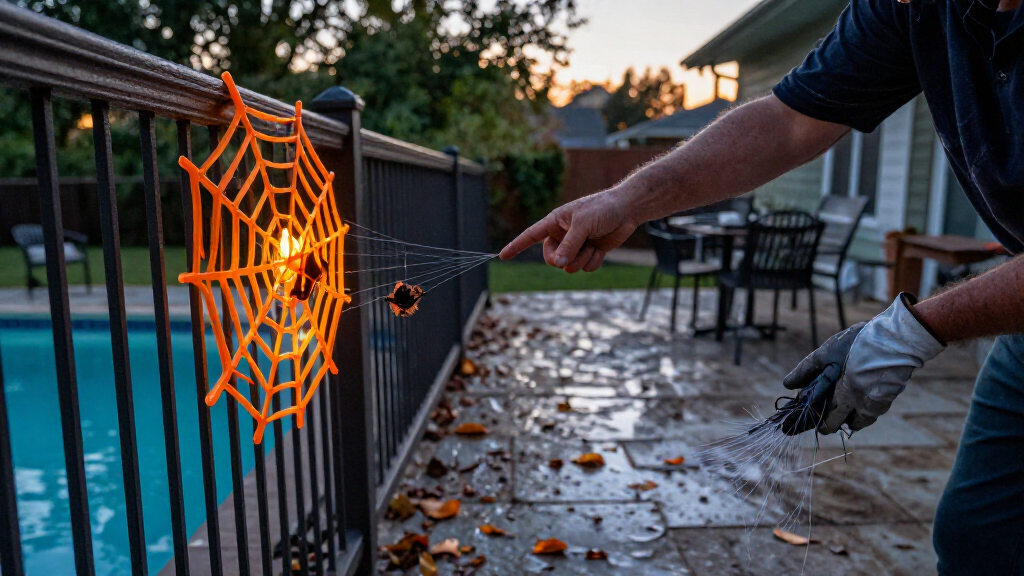
Wildlife experts are warning that stretchy artificial spider-web decorations can trap birds, bats and small mammals, including hedgehogs, particularly when placed outdoors on hedges or shrubs. They recommend using solid decorations outside and contacting a wildlife rescue if an animal becomes entangled.
Wildlife experts are warning people to avoid hanging stretchy artificial spider webs outdoors this Halloween, saying the synthetic fibres can trap birds, bats and small mammals, including hedgehogs. The warning, reported by Ideal Home, concerns decorations placed on hedges, shrubs and other outdoor surfaces, where animals may become caught or ingest loose material.
Lucy Taylor, a wildlife expert at Vine House Farm, told Ideal Home that artificial cobweb decorations can be made from tough, stretchy plastic that wraps around animals rather than breaking away easily. Mosh Latifi, co-owner of EcoCare Pest Management, said fine synthetic fibres can catch an animal’s wing, foot or leg, and that struggling may tighten the strands.
The experts distinguish between spray-on webbing and larger, stretchy or netted products. Latifi said dried spray-on webbing presents less of a tangling risk, although it may still coat insects or remain in hedges and shrubs. The larger webbing is the main concern because holes in net-like material can catch heads, wings or legs, especially when it is hung outside or left up for weeks.
Taylor also warned that animals may pick up or ingest loose synthetic fibres or mesh. The report says birds may use natural spider silk when building nests and may not distinguish artificial material from it. The experts advise using solid outdoor decorations rather than items made with plastic webbing, ropes, ribbons or string. Existing fake webs, they suggest, are better used indoors, away from wildlife.
How Webbing Can Injure Wildlife
The concern is not limited to an animal becoming visibly trapped. According to the experts quoted by Ideal Home, entanglement can tighten as an animal struggles, while swallowing synthetic material may create a choking or internal blockage hazard. Small animals can be difficult to see among garden decorations, so webbing left on a hedge or shrub may put wildlife at risk after Halloween night as well.
Choosing decorations without loose fibres or openings can reduce those hazards while still allowing people to decorate outdoors. The advice is particularly relevant for anyone using large netted web props or stretchy cotton-style webbing across vegetation, rather than placing decorations indoors or choosing solid objects.
solid outdoor Halloween yard decorations wildlife safe
As an affiliate, we earn on qualifying purchases.
As an affiliate, we earn on qualifying purchases.
The Outdoor Decorations at Issue
Ideal Home’s report describes two broad types of artificial web decorations used around Halloween: spray-on products and larger plastic webbing. Wildlife warnings about spray webbing have appeared in previous years, the report says, while the experts identify larger, stretchy and netted products as a significant concern this season.
Natural spider silk and synthetic decorations are not interchangeable in how they behave. Taylor said real webs can break apart under the weight of larger animals, while some artificial products are designed to stretch and cling. The report does not provide measurements of how often wildlife is caught or compare injury rates between decoration types.
“Wildlife can easily become caught in fake spider web decorations commonly used around Halloween, especially the artificial cobwebs.”
— Lucy Taylor, wildlife expert at Vine House Farm
Halloween outdoor yard stakes solid plastic decorations
As an affiliate, we earn on qualifying purchases.
As an affiliate, we earn on qualifying purchases.
What the Warning Does Not Quantify
The report does not give data on how many animals are injured by Halloween web decorations, how frequently incidents occur, or whether the use of these products has increased compared with a defined baseline. It also does not establish that every artificial web product carries the same level of risk; the experts distinguish spray-on material from larger stretchy and netted designs.
The advice is based on expert comments reported by Ideal Home. The report does not cite a new study or provide product-by-product testing, so the relative risk of particular brands or materials remains unclear.
Halloween window clings indoor spider web decorations
As an affiliate, we earn on qualifying purchases.
As an affiliate, we earn on qualifying purchases.
Safer Choices and Rescue Advice
People planning outdoor displays can choose solid decorations without loose strands or netting, and bring indoor-use web decorations inside. The report also advises removing remaining outdoor webbing after any animal has been safely freed, to reduce the chance of another animal becoming caught.
If wildlife is trapped, Taylor recommends contacting a local wildlife rescue or organisation such as the RSPCA before trying to free it. Latifi says that if a rescuer advises intervention, people should stay calm, avoid pulling the webbing and take care around frightened animals, which may bite or scratch. Anyone unable to free an animal safely, or who finds it injured, should contact a rescue service again. The report offers no specific rescue contact details; readers should use a local organisation for guidance.
outdoor Halloween tombstone yard decorations
As an affiliate, we earn on qualifying purchases.
As an affiliate, we earn on qualifying purchases.
Key Questions
Which Halloween decorations are the main concern?
Experts quoted by Ideal Home are most concerned about stretchy cotton-style and larger netted artificial webs hung outdoors, especially on hedges or shrubs. They say these can catch an animal’s head, wing or leg.
Are spray-on spider webs equally dangerous?
Latifi said dried spray-on webbing poses less of a tangling risk than larger stretchy products, but it may still coat small insects or remain in hedges and shrubs. The report does not quantify the risk for either type.
What should I do if I find an animal caught in fake webbing?
Contact a local wildlife rescue or organisation such as the RSPCA before attempting to free it. The experts warn against pulling strands, which could tighten around the animal; follow the rescue service’s instructions.
What can I use outside instead?
The experts recommend solid decorations without plastic webbing, ropes, ribbons or string. Artificial webs are better kept indoors, where wildlife cannot encounter them.
Source: rss
Halloween Picks
halloween
As an affiliate, we earn on qualifying purchases.