
TL;DR

Get pool and patio gear delivered free with Prime
- Fast, free delivery on millions of items
- Prime Video, Amazon Music and more included
- Member-only deals all year
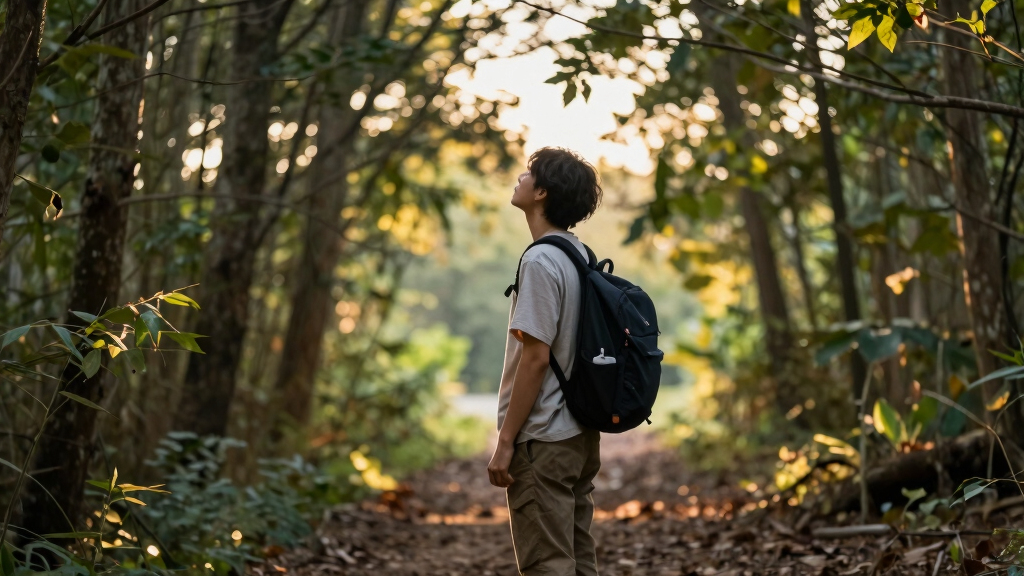
Recent efforts and research emphasize that spending time outdoors significantly benefits mental health and overall well-being. Initiatives like L.L. Bean’s ‘Off the Grid’ promote disconnecting from technology to reconnect with nature.
Recent initiatives and research underscore the critical importance of spending time outdoors for mental and physical health, with organizations like L.L. Bean promoting outdoor engagement as a way to combat the negative effects of technology reliance.
In 2022, L.L. Bean launched its ‘Off the Grid’ initiative, investing $800,000 in partnerships with Mental Health America to fund outdoor programs aimed at improving mental health and community connection. During Mental Health Month in May 2026, the company emphasized the benefits of outdoor activity by removing social media presence and offering resources to encourage outdoor engagement.
Studies, including a recent Gallup survey, show that a significant portion of adults, especially younger demographics, experience mental health issues linked to high technology use and indoor lifestyles. Experts highlight that even brief outdoor exposure can positively influence mood, focus, and perspective, with data indicating measurable health benefits from outdoor activity.
Why It Matters
This development matters because it highlights a growing recognition of the role outdoor activity can play in addressing mental health challenges exacerbated by digital dependence. Promoting outdoor engagement offers a practical, accessible way to improve well-being, reduce stress, and foster community connection, especially among youth and urban populations.
Products Worth Considering

Bose QuietComfort Wireless Bluetooth Headphones with Active Noise Cancellation, Mic, USB‑C Charging, Deep Bass, 24‑Hour Battery – White Smok

Samsonite Freeform Hardside Carry-On Spinner Luggage, Navy

Apple AirPods Pro 3 Wireless Earbuds with Active Noise Cancellation
As an affiliate, we earn on qualifying purchases.
Background
For decades, outdoor recreation has been associated with physical health benefits, but recent research and initiatives emphasize its mental health advantages. The COVID-19 pandemic intensified indoor and screen time habits, raising concerns about their impact on mental health. Organizations like L.L. Bean are now actively promoting outdoor activities as part of broader mental health strategies, reflecting a societal shift toward valuing nature-based wellness.
“Hunting and fishing is the big lure that takes us out into the great open spaces and helps us to forget the mean and petty things in life.”
— Shawn Gorman, L.L. Bean chairman
“Since 1912, my family’s company has existed to help people to experience the restorative power of being outside.”
— L.L. Bean
What Remains Unclear
It remains unclear how widespread the behavioral shift towards outdoor activity will become post-Mental Health Month or how effective these initiatives will be in long-term mental health improvements across diverse populations. Data on actual participation rates and measurable health outcomes are still emerging.
What’s Next
Next steps include continued promotion of outdoor programs, further research on outdoor activity’s mental health benefits, and potential expansion of initiatives like ‘Off the Grid’ to reach broader audiences. Monitoring participation and health outcomes will inform future strategies.
Key Questions
What are the main benefits of spending time outdoors?
Research shows that outdoor activity can improve mood, focus, and perspective, reduce stress, and promote overall mental and physical health.
How can I incorporate more outdoor time into my routine?
Start with small activities like daily walks, weekend hikes, or outdoor hobbies such as gardening or fishing. Use tools like outdoor totes to carry essentials and encourage regular outdoor engagement.
Are there specific outdoor activities recommended for mental health?
Activities like walking, hiking, fishing, gardening, and nature-based mindfulness practices are particularly beneficial for mental well-being.
What role does technology play in outdoor engagement?
Technology can both hinder and help outdoor activity; initiatives encourage disconnecting from devices to fully experience nature, while some apps can motivate outdoor participation.