
After intense swim sets, you should spend 5 to 15 minutes on a low-intensity cool-down, focusing on easy strokes like freestyle or backstroke to promote circulation and remove metabolic waste. Incorporate gentle stretching and foam rolling to loosen muscles and improve flexibility. Hydrate well and eat a balanced mix of carbs and protein within an hour to support recovery. To optimize your results, learn more about advanced recovery techniques and how to integrate them into your routine.
Listen free for 30 days with Audible
Thousands of audiobooks and originals — cancel anytime.
As an affiliate, we earn on qualifying purchases.
Key Takeaways
- Initiate a low-intensity recovery swim, such as easy freestyle or backstroke, immediately after intense sets to promote circulation and waste removal.
- Keep the cooldown duration between 5 to 15 minutes, focusing on gentle, steady strokes to normalize heart rate and breathing.
- Incorporate stretching and foam rolling post-swim to improve flexibility, reduce muscle soreness, and release fascia restrictions.
- Use tools like fins or pull buoy during cooldown to minimize muscle strain and enhance relaxation of targeted muscles.
- Prioritize hydration and post-exercise nutrition within 30-60 minutes to support muscle recovery and replenish glycogen stores.
As an affiliate, we earn on qualifying purchases.
Importance of Cooling Down After Intense Swimming

Cooling down after intense swimming is essential because it helps your body recover more efficiently. When you finish a hard set, your heart and breathing rates are elevated, and your muscles are still warm. An active cool-down keeps blood flowing, aiding in quicker normalization of your heart rate and blood pressure. It also enhances circulation, helping remove metabolic waste like lactate and reducing muscle soreness. By maintaining muscle contractions, you prevent blood pooling that can cause dizziness or fainting. Plus, a proper cool-down boosts blood flow to your heart and brain, supporting cardiovascular stability. It also keeps muscles warm, making stretching more effective and reducing injury risk. Overall, cooling down promotes faster recovery, prevents discomfort, and prepares your body for future workouts.
As an affiliate, we earn on qualifying purchases.
Optimal Duration and Intensity of Cooldown Sessions

Determining the ideal duration and intensity of your cooldown session is essential for effective recovery without causing additional fatigue. Cooldowns generally last between 5 to 20 minutes, with longer sessions benefiting sprinters and competitive swimmers aiming to clear lactate. A typical cooldown of around 1200 yards or 20 minutes helps optimize recovery, especially after intense sets. Keep the intensity low—easy strokes that promote circulation without overexerting muscles. Varying strokes can also reduce localized fatigue. Use the table below to understand how duration and intensity influence recovery:
| Duration (minutes) | Intensity Level | Recovery Focus |
|---|---|---|
| 5-10 | Very light | Gentle circulation, prevent stiffness |
| 10-15 | Light to moderate | Clear metabolic waste, reduce fatigue |
| 15-20+ | Gentle but sustained | Restore muscle temperature, mental reset |
As an affiliate, we earn on qualifying purchases.
Effective Swim Techniques for a Relaxed Cooldown
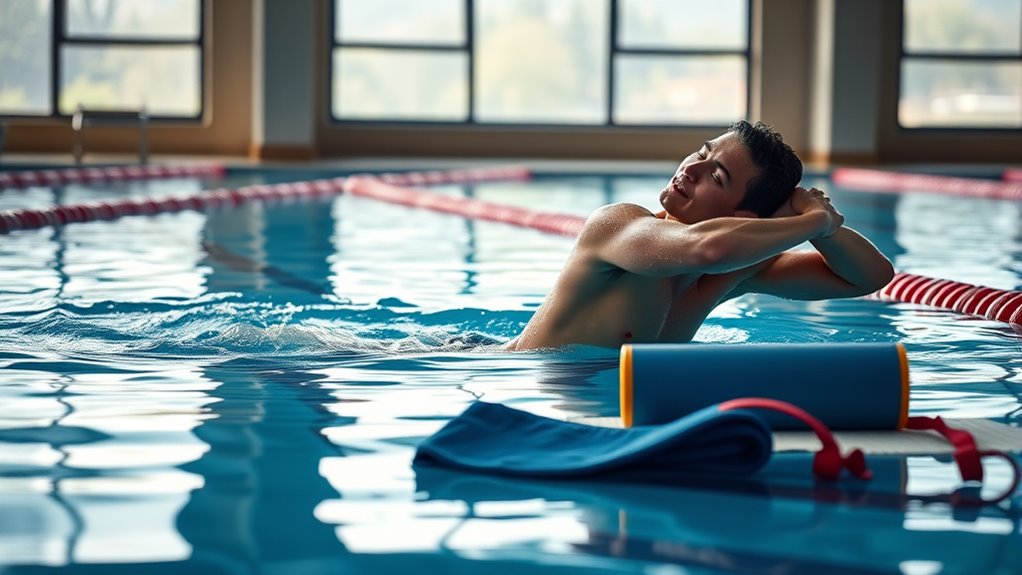
To achieve a relaxed and effective cooldown, incorporating slow swim techniques is essential. Start with gentle freestyle laps at 40-50% of your main set speed to promote waste removal and muscle recovery. Focus on long, smooth strokes and steady bilateral breathing to reduce tension and encourage proper body alignment. Mixing strokes like backstroke and breaststroke helps relax different muscle groups, especially shoulders and upper back, while slow butterfly can gently stretch your core and hips. Using fins or a pull buoy during recovery sets can lower muscle strain and focus on technique, aiding relaxation. Swim longer distances at a low intensity, emphasizing stroke efficiency and breathing control. Incorporating gentle swimming techniques not only enhances physical relaxation but also improves mental calmness, helping mentally unwind and physically prepare your body for post-swim recovery.
As an affiliate, we earn on qualifying purchases.
Dryland Exercises to Enhance Post-Swim Recovery
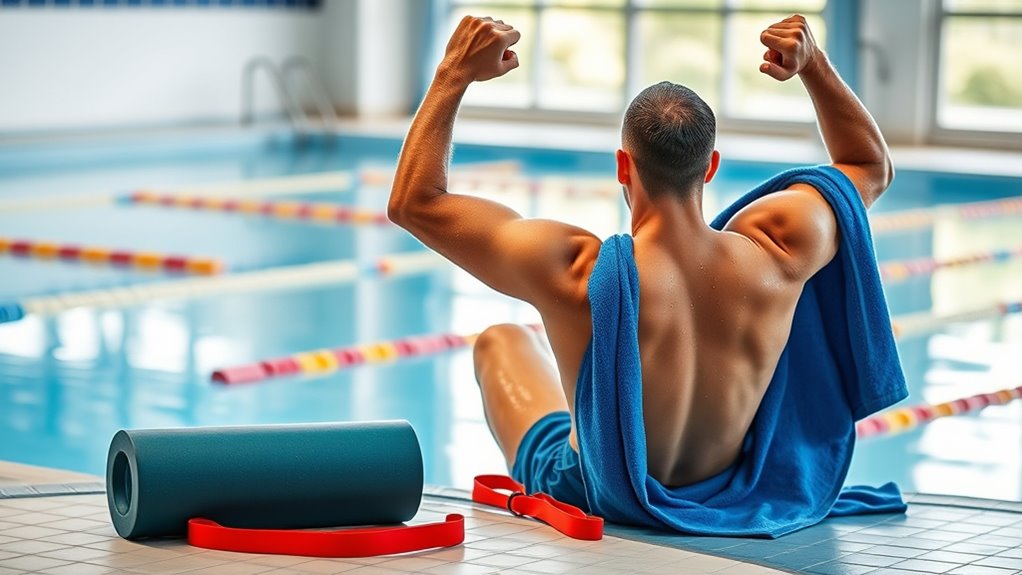
Incorporating stretching and foam rolling into your post-swim routine can markedly improve flexibility and reduce muscle tightness. These techniques help release tension and promote better movement patterns, making recovery more effective. Additionally, divorce statistics highlight the importance of effective stress management, which can be supported through proper recovery practices. By focusing on these areas, you support your body’s healing process and prepare for your next workout. Consistent post-swim recovery practices can also prevent injuries and enhance overall swimming performance.
Stretching for Flexibility
After a tough swim session, focusing on stretching for flexibility can considerably enhance your recovery and performance. Proper stretching targets key areas like your thoracic spine, shoulders, hips, and glutes, helping release tension and improve mobility. The T-Spine Bench Stretch boosts upper back flexibility, aiding arm rotation. Quadruped Pectoral Stretch loosens tight chest muscles, improving shoulder extension. Hip Flexor Stretch alleviates hip tightness, supporting stronger kicks. The Figure 4 Stretch releases glute and hip tension, while the Lying Twist enhances spinal rotation. These stretches promote muscle relaxation, reduce soreness, and support joint range of motion. Incorporating them after your swim helps balance muscles, prevent injuries, and prepare your body for future workouts. Keep stretches steady, about 30 seconds each side, for ideal results. Regular stretching can also help improve long-term flexibility, which is essential for efficient swimming technique and injury prevention. Additionally, understanding the importance of muscle recovery can guide you in optimizing your post-swim routines for better overall performance.
Foam Rolling Benefits
Foam rolling offers several key benefits that can substantially boost your post-swim recovery. First, it relieves muscle pain by targeting tight trigger points, especially in areas like the shoulders, hamstrings, calves, and glutes. Second, it boosts blood flow by up to 75%, speeding up oxygen delivery and waste removal, which reduces DOMS. Third, foam rolling enhances flexibility and range of motion by releasing fascia restrictions, helping you move more freely in the pool. Fourth, it promotes relaxation by activating your parasympathetic nervous system, reducing tension and encouraging mental calmness. Incorporating foam rolling into your cooldown routine supports faster recovery, improves mobility, and maintains overall muscle health—key factors for sustained swimming performance. Additionally, foam rolling can serve as a quick warm-up before your swim to scan and loosen tight areas, preventing injury and optimizing performance. Regularly using foam rolling as part of your routine can also help prevent injury and sustain your training consistency.
Incorporating Breathing Exercises for Nervous System Calmness
Breathing exercises serve as a powerful tool to activate your parasympathetic nervous system, which helps you recover and feel more relaxed after intense swim sets. By practicing slow, controlled breathing, you lower your heart rate, reduce metabolism, and calm your respiratory rate, aiding nervous system recovery. Deep diaphragmatic breathing increases oxygen flow, supporting nerve tissue repair and reducing oxidative stress. Techniques like alternate nostril breathing balance nervous pathways, promoting relaxation and easing nerve tension. Patterns such as exhaling twice as long as inhaling induce deep relaxation, ideal for cooldowns and sleep prep. Pursed-lip breathing maximizes lung capacity, while regular practice lowers blood pressure and pulse. Incorporating these methods helps you manage stress, enhance nerve health, and recover more effectively from demanding swim sessions. Mindfulness practices can further enhance your ability to stay present and relaxed during recovery.
Foam Rolling and Massage for Muscle Tension Relief
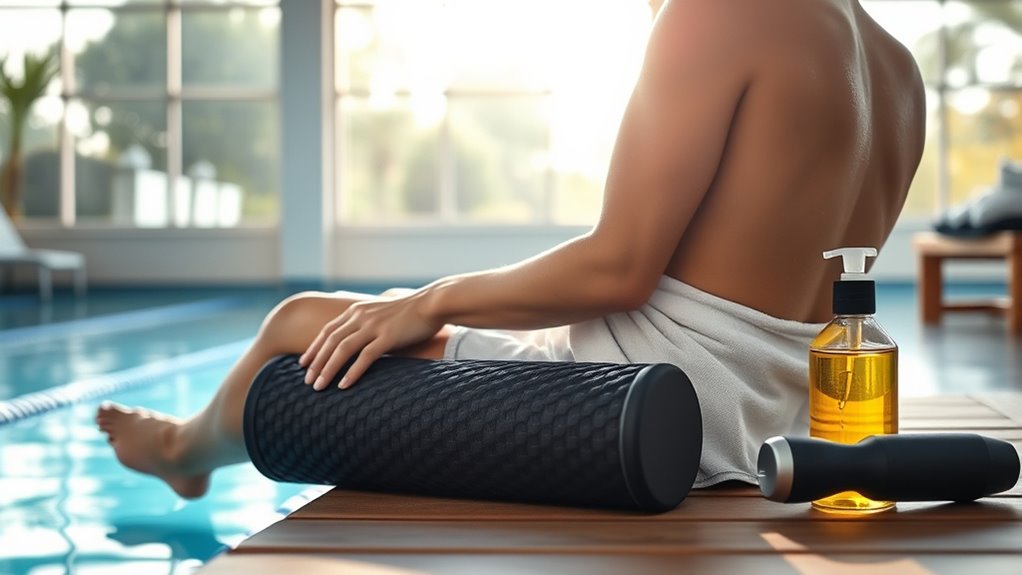
To effectively relieve muscle tension after intense swim sessions, incorporating foam rolling and massage techniques can make a significant difference. These methods boost blood flow, reduce stiffness, and speed up recovery. Here’s how to maximize their benefits:
- Focus on areas prone to tightness, like calves, hamstrings, glutes, and shoulders.
- Roll slowly and pause on tender spots, maintaining steady breathing to ease discomfort.
- Use foam rolling to break up adhesions, improve circulation, and promote lymphatic drainage. Regular use helps keep muscles responsive and reduces the risk of future tightness. Incorporating muscle recovery techniques such as stretching and hydration can further enhance your results.
- Combine with manual massage for targeted trigger point release and deeper tissue relief.
Nutritional Strategies to Support Muscle Repair

To support muscle repair after intense swim sets, timing your nutrition is key—you should eat a mix of protein and carbs within 30 to 60 minutes post-exercise. Staying hydrated helps replenish lost fluids and electrolytes, speeding up recovery. Choosing high-quality foods, like lean meats, fish, and whole grains, guarantees your body gets the nutrients it needs to rebuild and restore energy levels efficiently. Adequate protein intake is crucial for optimal muscle recovery and overall strength development.
Protein and Carbohydrate Timing
Effective recovery after hard swim sets relies heavily on timing your intake of proteins and carbohydrates to support muscle repair and replenish glycogen stores. To maximize benefits, focus on these key strategies:
- Consume 15-30 grams of protein within an hour post-exercise to aid muscle fiber repair and synthesis. Protein is essential for muscle recovery and repair, especially after intense workouts. Incorporating high-quality sources like lean meats, dairy, or plant-based options can enhance muscle rebuilding processes.
- Prioritize carbohydrate intake in the first 4 hours, aiming for 1.0-1.2 g/kg bodyweight per hour to restore glycogen effectively. Glycogen replenishment is crucial for maintaining energy levels for subsequent training sessions.
- Combine carbs with moderate protein (30-60 g carbs and 15-30 g protein) in your recovery meal to support both glycogen replenishment and muscle repair.
- Spread protein intake throughout the day, rather than relying solely on immediate post-workout consumption, to sustain muscle recovery over time.
Hydration for Recovery
Hydration plays a crucial role in supporting muscle recovery after intense swim sessions. Water helps transport nutrients to your muscles and remove metabolic waste, speeding up repair. Since blood is mostly water, staying hydrated ensures oxygen and nutrients reach your muscles efficiently. Dehydration can impair muscle function, increase soreness, and delay recovery, even when you’re in water. During your swim, sip 4–8 ounces of water every 20 minutes, and consider a sports drink with electrolytes for longer sessions. Post-swim, drink 16–24 ounces within 30 minutes to replenish lost fluids and electrolytes. Continuing hydration throughout the day further supports recovery. Proper hydration reduces muscle soreness and fatigue, helping you bounce back faster and return stronger for your next workout. Incorporating sound healing techniques into your routine can also aid in relaxation and muscle recovery by promoting mental calmness and reducing stress.
Post-Workout Nutrient Quality
After a hard swim session, fueling your body with high-quality nutrients is essential for muscle repair and recovery. To optimize this process, focus on these key strategies:
- Consume 30-60g of carbohydrates promptly within 30-60 minutes post-exercise, using sources like rice, potatoes, or beans to replenish glycogen. Carbohydrates are the primary fuel source stored as glycogen in muscles and liver, which supports sustained energy during subsequent workouts.
- Include 15-30g of high-quality protein, such as fish or eggs, to support muscle synthesis and repair.
- Incorporate antioxidant-rich foods like berries and dark leafy greens to reduce inflammation and oxidative stress.
- Prepare recovery snacks or meals in advance, ensuring timely intake of carbs and protein to maximize nutrient absorption and recovery efficiency.
Prioritizing nutrient quality and timing accelerates your healing process and prepares you for future swim sessions.
Hydration Tips for Effective Recovery
Proper hydration plays a essential role in ensuring your muscles recover quickly and efficiently following intense swim sets. To optimize recovery, drink at least 16 ounces of water two hours before swimming. During your session, aim for 8 ounces every 15-20 minutes. After finishing, rehydrate with a mix of water and sports drinks to replenish electrolytes lost through sweating. Monitoring urine color helps track hydration; pale yellow indicates proper balance. Weigh yourself before and after training to estimate fluid loss and adjust intake accordingly. Remember, in hot conditions, you’ll need more fluids. Use the table below to guide your hydration strategy:
| Hydration Step | Recommended Intake | Additional Tips |
|---|---|---|
| Pre-swim | 16 oz water, 2 hours before | Avoid excessive drinking |
| During swim | 8 oz every 15-20 min | Use sports drinks if prolonged |
| Post-swim rehydration | 20-24 oz per pound lost | Incorporate electrolytes |
| Hydration monitoring | Check urine color and body weight | Adjust as needed |
Timing and Integration of Cooldown in Training Plans
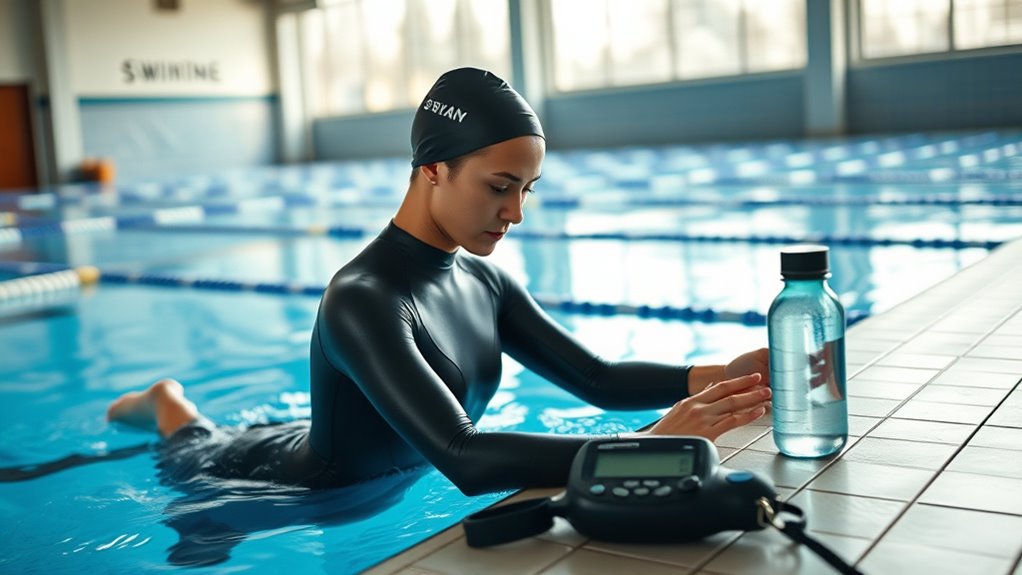
You should prioritize cooldown immediately after intense swim sets to help your body recover effectively. Scheduling consistent recovery swims and making cooldown a routine part of your training guarantees you maximize its benefits. Proper timing and integration can improve performance, reduce injury risk, and support steady progress over time. Regular cooling down helps maintain muscle flexibility and prevents stiffness, ensuring you stay comfortable during subsequent training sessions. Incorporating mindful practices during cooldown can further enhance the recovery process and contribute to overall well-being.
Optimal Timing Post-Set
Initiating your cooldown immediately following a hard swim set maximizes recovery benefits and minimizes muscle stiffness. You should start within 5–10 minutes to effectively clear metabolic waste and reduce muscle tightness. Here’s why timing matters:
- Starting right away prevents lingering metabolic byproducts from increasing stiffness.
- It helps your body shift smoothly from high-intensity effort to a resting state.
- Early cooldown boosts lactate clearance, improving recovery speed.
- Delaying beyond 10 minutes diminishes these benefits and prolongs soreness.
- Research indicates that beginning your cool down promptly enhances overall recovery and prepares you better for subsequent workouts.
- Incorporating appropriate post-exercise routines immediately after your swim can further optimize recovery and performance.
Scheduling Recovery Swims
Integrating recovery swims into your weekly training plan helps optimize muscle recovery without disrupting your overall progress. Typically, you should include 1-2 recovery sessions per week, especially after intense workouts or competitions. These swims work best when scheduled following demanding sessions to support muscle repair and reduce soreness. They can also serve as active recovery on rest days but shouldn’t replace full rest days to prevent overtraining. To maintain a balanced workload, plan recovery swims so they complement your main sessions, avoiding interference with high-intensity training. High-impact athletes might benefit from more frequent recovery swims, depending on their response and overall training load. Proper timing ensures recovery swims support adaptation and prevent fatigue buildup, seamlessly integrating into your weekly routine. Recovery swims promote blood flow and aid in reducing muscle stiffness, making them a valuable component of your training cycle. Incorporating training cycle management can further enhance recovery effectiveness and overall performance.
Cooldown Consistency Importance
Maintaining consistent timing for cooldowns after hard swim sets is essential for optimizing recovery and preventing performance decline. When you cooldown immediately after a set, it ensures more effective removal of lactate and other metabolic waste. To maximize benefits, consider these key points:
- Keep cooldown between 5 to 15 minutes, adjusting for event distance and intensity.
- Initiate cooldown right after the effort to stabilize your cardiovascular and respiratory systems.
- Incorporate cooldown activities seamlessly into your training plan to support muscle relaxation and mental focus.
- Consistency in timing helps prevent muscle soreness and speeds up your return to baseline, reducing injury risk and improving subsequent performance. Timing of cooldowns directly influences the efficiency of metabolic waste removal and muscle recovery Regularly practicing a cooldown routine aligns with proven training strategies that enhance overall athletic performance. Sticking to a routine guarantees your body recovers efficiently, keeping you prepared for your next swim.
Advanced Recovery Methods to Accelerate Muscle Healing
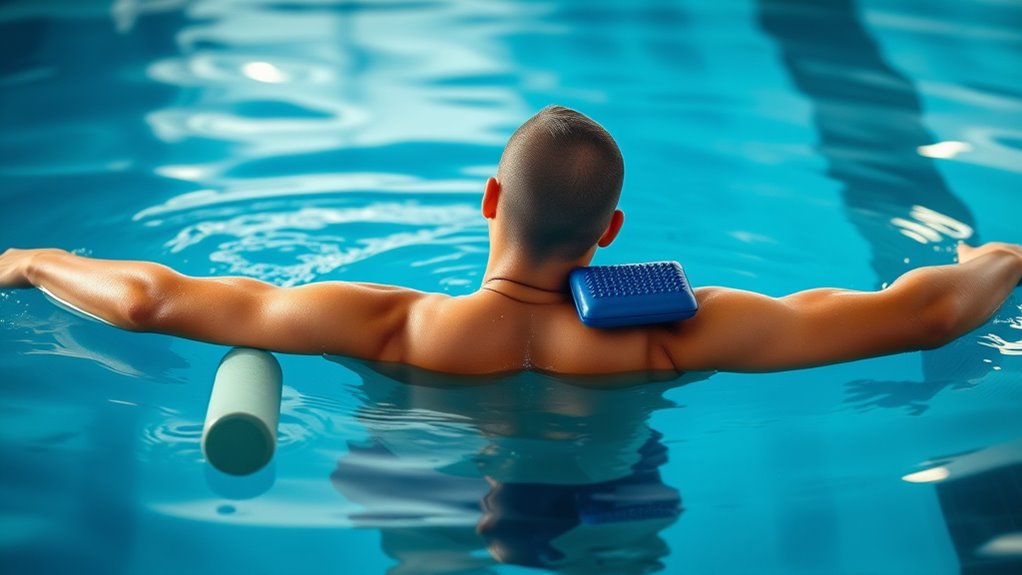
Advanced recovery methods can markedly speed up muscle healing after intense swim sets, especially when combined with traditional cooldown routines. Hydrotherapy, such as cold water immersion at 50-60°F, reduces inflammation and muscle soreness by decreasing inflammation. Warm water (80-88°F) dilates blood vessels, boosts circulation, and relaxes muscles, accelerating tissue repair. Contrast water therapy, alternating cold and warm water, enhances circulation through vascular pumping, improving recovery efficiency. The buoyancy of water lessens joint and muscle load, enabling gentle movement that helps clear metabolic waste without strain. Incorporating targeted hydrotherapy techniques can further optimize recovery by promoting quicker tissue repair and reducing soreness. Additionally, cryotherapy, like ice baths, to limit soreness through vasoconstriction, and wear compression garments to improve venous return and reduce swelling. These advanced methods optimize muscle recovery when paired with active recovery techniques. Additionally, water’s resistance and hydrostatic pressure play a crucial role in supporting circulation and reducing swelling, further aiding the recovery process.
Frequently Asked Questions
How Soon Should I Start My Cooldown After Finishing a Hard Swim Set?
You should start your cooldown immediately after finishing a hard swim set, ideally within a few minutes. This quick shift helps prevent lactic acid buildup, promotes faster recovery, and reduces muscle stiffness. Keep the cooldown light and low-intensity, such as easy swimming or stretching, to maximize blood flow and remove metabolic waste. Starting promptly ensures you recover better and prepare your muscles for your next session.
Can I Skip Cooldown if I Feel Too Tired?
You shouldn’t skip cooldown, even when you’re exhausted—it’s the gentle wave that eases your body back to shore. A light, low-intensity swim helps flush out lactic acid, prevents dizziness, and reduces soreness. Instead of quitting cold turkey, modify your cooldown to be easier on your tired muscles. This way, you protect yourself from injuries and support faster recovery, turning fatigue into a smooth progression rather than a rough landing.
What Are the Signs of an Inadequate Cooldown?
You might notice persistent muscle tightness, cramping, dizziness, or lightheadedness, indicating your cooldown wasn’t enough. You could also feel ongoing muscle soreness, fatigue, or a sudden loss of coordination. Elevated heart rate that doesn’t return to normal, dehydration signs like nausea, or muscle heaviness are common indicators. These symptoms show your body isn’t fully recovering, increasing injury risk and delaying your progress. Always listen to these signals and prioritize proper cooldowns.
Is Passive Rest as Effective as Active Cooldown?
Passive rest isn’t as effective as active cooldowns when it comes to clearing lactate or speeding recovery. Studies show active recovery accelerates lactate removal from blood and helps restore pH levels faster, reducing muscle fatigue. While passive rest might feel more comfortable, it often prolongs muscle soreness and delays metabolic waste elimination. For ideal recovery, combining both methods might be best, but active cooldowns generally offer more benefits for muscle and metabolic recovery.
How Does Cooldown Differ for Competitive Swimmers Versus Recreational Swimmers?
You’ll notice that cooldowns for competitive swimmers are more structured, lasting 5 to 15 minutes with low to moderate activity focusing on specific muscles and cardiovascular recovery. Recreational swimmers typically do shorter, less formal cooldowns, often just a few minutes of light activity or passive rest. The main difference is that competitive routines aim to optimize recovery, prevent injury, and prepare for upcoming efforts, while recreational cooldowns prioritize general relaxation and soreness reduction.
Conclusion
Remember, a proper cooldown is your secret weapon, like a knight sheathing his sword after battle. It helps your muscles relax, reduces soreness, and gets you ready for your next swim adventure. Stick to a consistent routine, incorporate gentle stretches, breathing, and nutrition, and you’ll notice faster recovery and steady progress. Think of it as your own personal potion—simple, effective, and essential for staying in top shape after every swim.
NFL season / tailgating Picks
team gear
As an affiliate, we earn on qualifying purchases.