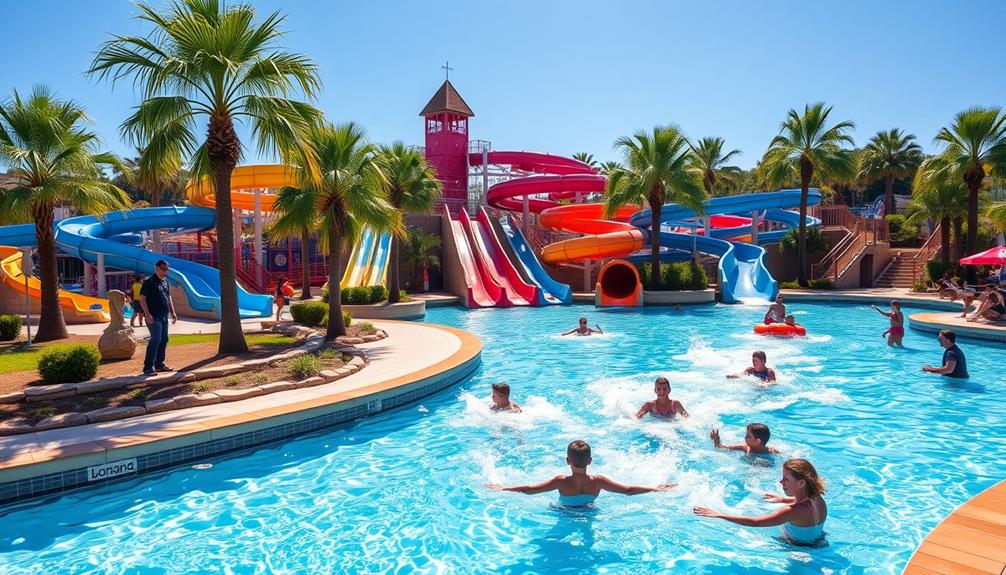

To stay safe in a wave pool, observe how waves form and move, noting their size, pattern, and frequency. Pay attention to lifeguard signals like whistles, flags, and hand gestures, and follow their instructions carefully. Recognizing when waves build up or when conditions change helps you decide the best time to enter or exit. If you keep exploring these tips, you’ll gain a clearer understanding of how to enjoy the pool responsibly.
Key Takeaways
- Observe wave behavior and size to determine safe entry points and identify potential hazards.
- Recognize lifeguard signals, such as flags, whistles, and hand gestures, to stay informed about pool conditions.
- Understand wave patterns—build-up, crest, and break—to time your activities safely.
- Follow all safety instructions and heed lifeguard directions to prevent accidents.
- Stay alert and responsive to changing wave conditions and signals for a safe swimming experience.

Wave pools offer thrilling experiences, but staying safe should always be your top priority. One of the most important skills you can develop is reading wave patterns. Understanding how waves behave helps you anticipate changes, avoid accidents, and enjoy the ride responsibly. Before stepping into the water, take a moment to observe the pool. Notice how the waves form and move. Typically, wave pools generate waves in a consistent pattern, but they can vary based on the setting. Look for areas where waves tend to build up, crest, and break. This will give you a sense of when to expect the biggest surf and when the water will be calmer. Pay attention to the rhythm—whether the waves come in a steady, predictable sequence or if they fluctuate unexpectedly. Recognizing these patterns allows you to time your entry and exit more safely, reducing the risk of being caught off guard. As you engage with the waves, keep a close eye on the water’s surface. If you notice large, powerful waves approaching, it’s best to stay away or move to a safer zone. Smaller, gentler waves are perfect for beginners or those looking for a relaxed experience, but larger waves demand more skill and caution. When the pool’s staff or lifeguards introduce signals, they’re meant to keep everyone safe. Learn to read these signals carefully. A whistle blow might indicate that the waves are about to change, or it could signal that you need to clear the water temporarily. Flags are often used to convey safety information—green might mean the pool is open for swimming, while red indicates dangerous conditions or that swimming is not advised. Some pools use hand signals or verbal instructions, so stay alert and attentive to any announcements or gestures from the lifeguards. If you’re unsure about what a signal means, ask a lifeguard for clarification before entering the water. Remember, lifeguards are there to protect you, and following their instructions is vital for your safety. Additionally, understanding return policies can be helpful if you need to exit the pool early due to emergencies or discomfort. Always respect their signals, as they are based on real-time assessments of the pool conditions. By paying attention to wave patterns and understanding the signals, you’re actively taking steps to guarantee your safety and that of others around you. Enjoying a wave pool is exciting, but it’s your awareness and responsiveness that will help you make the most of it without risking injury. Stay vigilant, respect the rules, and have fun riding the waves!

New Wave Swim Buoy – Swim Safety Float and Drybag for Open Water Swimmers, Triathletes, Kayakers and Snorkelers, Highly Visible Buoy Float for Safe Swim Training (15 Liter – Medium)
- High Visibility in Open Water: Brightly colored for easy spotting
- Provides Safe Resting Spot: Natural buoyancy for floating and resting
- Lightweight and Portable: Only 10 oz for easy carrying
As an affiliate, we earn on qualifying purchases.
As an affiliate, we earn on qualifying purchases.
Frequently Asked Questions
How Do Weather Conditions Affect Wave Pool Safety?
Weather conditions markedly impact wave pool safety. Wind can create unpredictable waves, making it harder to judge safe areas and increasing the risk of accidents. Storms or heavy rain can lower visibility and cause sudden changes in water conditions. Hot weather might encourage more swimmers, leading to crowded pools. Always stay alert, follow lifeguard instructions, and be cautious during adverse weather to guarantee your safety and that of others.
What Are Common Signs of Rip Currents in Wave Pools?
You’ll notice gentle rip currents if the water seems to flow steadily in one direction, often creating a calmer area beyond the waves. Watch for a narrow, rippling channel that appears darker or calmer than surrounding water. Sometimes, you’ll see debris or floating objects drifting away from the shoreline. If you spot these signs, stay calm, swim parallel to the shore, and signal for help if needed.
How Can Parents Ensure Children’s Safety Near Wave Pools?
You can guarantee your children’s safety near wave pools by keeping a close eye on them at all times, setting clear rules, and teaching them to stay within designated shallow areas. Make sure they understand not to swim alone and always follow lifeguard instructions. Use flotation devices if needed, and stay vigilant for signs of fatigue or distress. Your active supervision helps prevent accidents and keeps everyone safe and enjoying the water.
Are There Specific Safety Protocols for Large Wave Pools?
Yes, there are specific safety protocols for large wave pools. For example, lifeguards monitor wave intensity and set clear rules for swimming zones. You should always follow posted signs and lifeguard instructions, stay within designated areas, and avoid rough play during high wave periods. Make sure children wear appropriate flotation devices and stay close. These precautions help prevent accidents and ensure everyone enjoys the wave pool safely.
How Do Emergency Signals Differ Between Pools and Open Water?
Emergency signals in pools are typically loud whistles, flashing lights, or specific siren patterns, while open water signals may include loud shouts, flares, or radio communication. You should pay attention to the lifeguard’s signals, as they indicate different emergencies. In pools, signals are more standardized and visible, whereas open water signals often rely on auditory cues and visual markers. Always stay alert and follow the specific instructions provided by lifeguards.
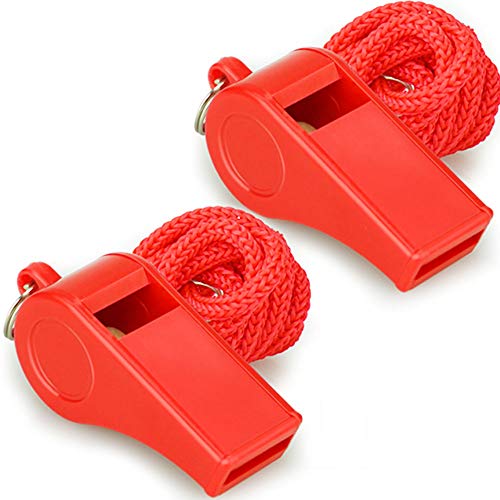
Hipat Red Emergency Whistles with Lanyard, Loud Crisp Sound, 2 Packs Plastic Whistles Ideal for Lifeguard, Self-Defense and Emergency
- Package Includes: 2 plastic whistles with lanyards
- Eye-Catching Design: Bright red color for visibility
- Loud Sound: Up to 120dB for clear alerts
As an affiliate, we earn on qualifying purchases.
As an affiliate, we earn on qualifying purchases.
Conclusion
Remember, understanding wave patterns and lifeguard signals keeps you safe and confident in the pool. Did you know that drowning is the leading cause of accidental death in children under 5? Staying alert, reading the waves, and following lifeguard instructions can prevent tragedies. Always respect the pool rules, and don’t hesitate to ask for help if you’re unsure. With awareness and caution, you can enjoy the wave pool safely and responsibly.
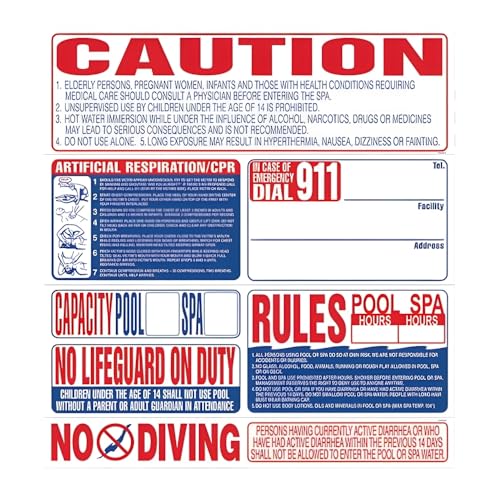
8-in-1 California Pool Safety Sign | SI9000CA | Large 47" Commercial Pool & Spa Safety Compliance Sign | UV-Protected Outdoor Construction | Meets CA Code Requirements
- All-in-One Safety Messages: Includes all required California notices
- Outdoor Durability: UV-protected, weather-resistant plastic construction
- Large Visibility: 47-inch square display for easy reading
As an affiliate, we earn on qualifying purchases.
As an affiliate, we earn on qualifying purchases.

Poolmaster 23227 Replacement Indicator Solutions #1 – #5 For Spa or Swimming Pool Water Testing, Neutral, Small
- Purpose: Maintains proper water chemistry
- Tests: Five chemical factors: Chlorine, Bromine, pH, Acid Demand, Alkalinity
- Contents: Includes solutions #1-#5, small sizes
As an affiliate, we earn on qualifying purchases.
As an affiliate, we earn on qualifying purchases.